Wading through floodwater, Mumbai woman develops painful red bumps and fever: What is leptospirosis?
Source Entity
Purnima Sah
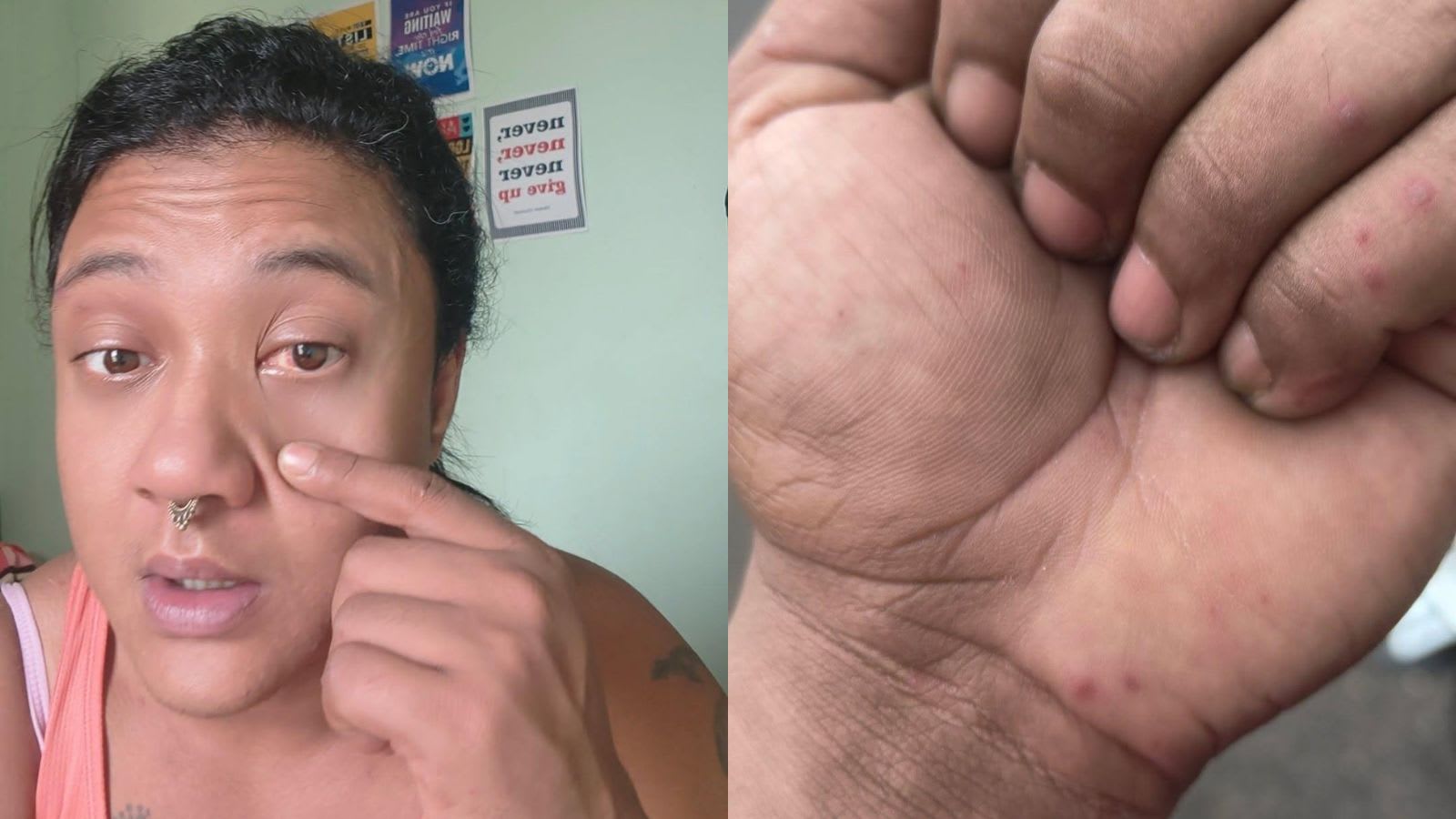
When fitness coach Aanantaa Sujata Barua rode through flooded streets in Navi Mumbai to reach her workplace, she assumed the fever that followed was just another viral infection. But when painful red ...
Urban Flooding and Zoonotic Risks: The Case of Leptospirosis in Mumbai
The recent case of Aanantaa Sujata Barua, a fitness coach from Navi Mumbai, serves as a stark warning about the hidden dangers lurking beneath the surface of urban floodwaters. After commuting through submerged streets to reach her workplace, Barua experienced a sudden onset of fever and the appearance of painful red bumps. Initially mistaken for a common viral infection—a frequent occurrence during the monsoon season—her condition was later identified as leptospirosis. This incident highlights the intersection of urban infrastructure failure and public health vulnerabilities in one of the world's most densely populated cities.
Understanding the Pathogen: What is Leptospirosis?
Leptospirosis is a zoonotic disease caused by bacteria of the genus Leptospira. These bacteria are primarily shed through the urine of infected animals, most commonly rats, but also livestock and dogs. In an urban environment like Mumbai, the rodent population is significant, and during heavy rainfall, their urine mixes with stagnant floodwater. The bacteria enter the human body through mucous membranes (such as the eyes, nose, or mouth) or through breaks in the skin, such as cuts or abrasions. In Barua's case, the act of wading through contaminated water provided the perfect vector for the bacteria to penetrate the skin barrier.
The Mumbai Monsoon Context
Mumbai's geography and aging drainage systems make it particularly susceptible to severe flooding during the monsoon months. When the city's storm-water drains overflow, the resulting floodwater is not merely rainwater but a toxic cocktail of sewage, industrial runoff, and animal waste. This environmental condition creates a high-risk zone for waterborne and zoonotic diseases. The case of the Navi Mumbai fitness coach is not an isolated event but part of a recurring seasonal pattern where hospitals report a spike in leptospirosis cases immediately following heavy rainfall and flooding events.
Clinical Progression and Diagnostic Challenges
One of the most dangerous aspects of leptospirosis, as seen in this case, is its non-specific early symptoms. High fever, muscle aches, and general malaise often mimic the flu or dengue, leading many patients to self-medicate or ignore the severity of the illness. However, the appearance of distinct red bumps and the progression toward potential organ failure (specifically the kidneys and liver) mark the transition into a more severe phase of the infection. Prompt diagnosis via blood tests and the administration of antibiotics are critical to preventing the condition from escalating into Weil's disease, a severe form of leptospirosis that can be fatal.
Preventative Measures and Public Health Strategies
To mitigate these risks, public health experts emphasize the importance of protective barriers. Individuals forced to navigate floodwaters are advised to wear rubber boots and gloves to prevent direct skin contact with contaminated water. Furthermore, washing the skin with soap and clean water immediately after exposure can significantly reduce the risk of infection. For high-risk individuals, medical professionals sometimes recommend prophylactic medication. This case underscores the need for increased public awareness campaigns that educate citizens on the difference between a common cold and the symptoms of waterborne bacterial infections.
Conclusion: A Call for Urban Resilience
Ultimately, the experience of Aanantaa Sujata Barua is a symptom of a larger systemic issue. While individual precautions are necessary, the root cause lies in the lack of resilient urban planning and efficient waste management. As climate change increases the frequency and intensity of extreme rainfall events in coastal cities, the risk of zoonotic outbreaks will likely rise. Addressing the rodent population and upgrading the sewage and drainage infrastructure are the only long-term solutions to ensure that a simple commute to work does not result in a life-threatening medical emergency.