Are your sitting habits hurting your spine? Orthopaedic surgeon reveals all about the posture improvement tools
Source Entity
Latest News: Today's Latest News Headlines from India & World | Hindustan Times | Hindustan Times
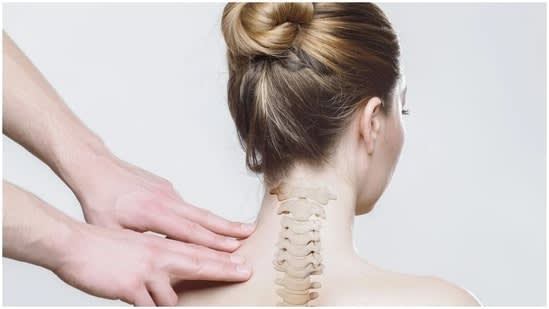
How can you keep your spine healthy while sitting? 10 tools that can help improve your posture and develop better sitting habits for your overall well-being.
The Silent Epidemic of Sedentary Strain: A Surgeon's Guide to Spinal Health
In an era dominated by digital interfaces and office-centric work cultures, the human spine is facing unprecedented stress. The recent insights shared by an orthopaedic surgeon regarding sitting habits and posture improvement tools highlight a critical intersection between modern lifestyle and musculoskeletal health. As sedentary behavior becomes the default for millions, the surgeon's focus on "10 tools" for posture improvement serves as a necessary intervention to prevent chronic degenerative conditions. This analysis explores the biomechanical necessity of these tools and the broader implications of our evolving relationship with the act of sitting.
The Biomechanics of Poor Posture and Spinal Loading
To understand why an orthopaedic surgeon would emphasize specific tools, one must first understand the physiological impact of prolonged sitting. When a person slouches, the natural inward curve of the lower back (lumbar lordosis) is flattened or reversed, significantly increasing the pressure on the intervertebral discs. This uneven distribution of weight can lead to disc herniation and chronic muscle strain. By introducing posture-improvement tools, the goal is to mechanically support the spine's natural alignment, reducing the load on the lumbar region and preventing the premature wear and tear of spinal cartilage. The surgeon's recommendation is not merely about comfort, but about mitigating the structural failure of the vertebral column.
Analyzing the Role of Ergonomic Intervention Tools
While the specific list of ten tools focuses on practical implementation, the underlying logic is rooted in ergonomic science. Tools such as lumbar supports, ergonomic chairs, and footrests are designed to enforce "active sitting," where the body is supported in a way that encourages muscle engagement rather than passive collapse. The transition from a standard chair to a tool-assisted environment allows for the redistribution of weight across the pelvis and thighs, which in turn relieves pressure from the lower back. These tools act as external scaffolds, retraining the user's proprioception—the body's ability to sense its position in space—thereby developing better instinctive sitting habits over time.
Historical Context: The Evolution of the Workspace
Historically, human activity was characterized by frequent movement and varied postures. However, the Industrial Revolution and the subsequent Digital Age shifted the human experience toward static positions. The "desk job," which became the gold standard of professional stability in the 20th century, inadvertently created a health crisis. We have moved from a society of movement to a society of stillness, leading to a surge in orthopaedic consultations for "tech neck" and lower back pain. The surgeon's current advocacy for posture tools is a direct response to this historical shift, attempting to retroactively engineer health into an environment that was not designed for the human biological frame.
Broader Health Implications and Preventative Care
The implications of ignoring sitting habits extend far beyond simple back pain. Poor spinal alignment can lead to systemic issues, including reduced lung capacity due to a compressed thoracic cavity and impaired circulation in the lower extremities. By utilizing the tools suggested by the surgeon, individuals can move from a reactive healthcare model—where they seek treatment after an injury—to a preventative model. Reducing the incidence of chronic spinal misalignment decreases the long-term reliance on analgesics and reduces the likelihood of invasive surgical procedures, such as spinal fusions or discectomies, which carry significant risks and recovery times.
Future Trends in Posture Management and Ergonomics
Looking forward, the integration of orthopaedic expertise into the workplace is likely to evolve from static tools to dynamic, AI-driven systems. We are seeing the emergence of "smart" chairs and wearable sensors that provide real-time haptic feedback when a user begins to slouch, effectively automating the surgeon's advice. The future of spinal health will likely involve a hybrid approach: the physical tools mentioned in this report combined with biometric monitoring. This will transform posture improvement from a conscious effort into a seamless, tech-enabled habit, further reducing the burden on orthopaedic healthcare systems.
Conclusion
The guidance provided by the orthopaedic surgeon underscores a vital truth: the way we sit is a primary determinant of our long-term mobility and quality of life. By adopting specific posture-improvement tools and consciously altering sedentary habits, individuals can protect their spinal integrity against the pressures of modern life. Ultimately, the shift toward ergonomic awareness represents a critical step in aligning our professional environments with our biological needs.
Verification Required?