Pakistan hikes petrol, diesel prices by over PKR 13 per litre amid West Asia crisis
Source Entity
The Indian Express
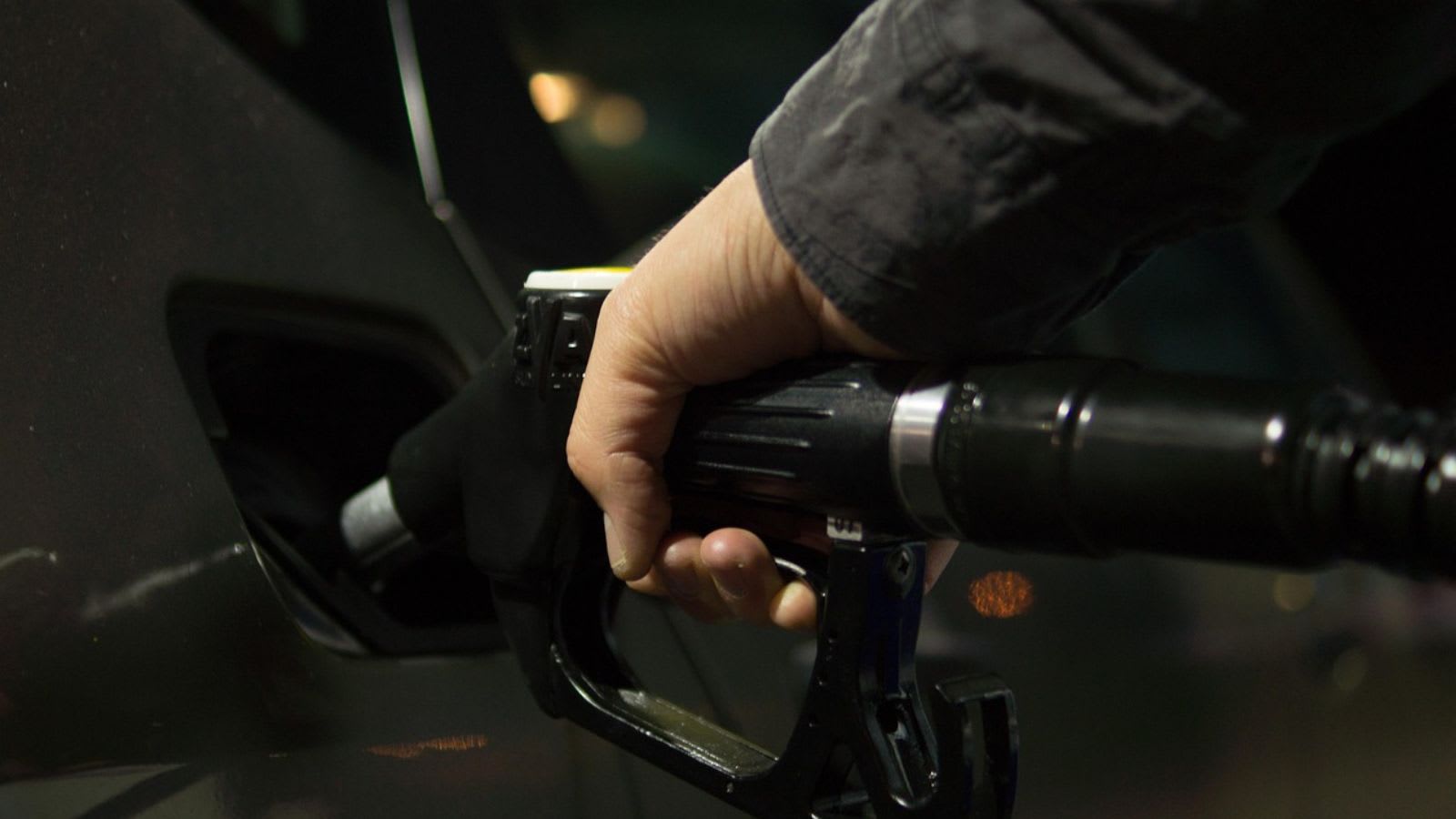
Petrol prices had also touched a high of PKR 458.41 per litre on April 3 after climbing from PKR 266 per litre in the first week of March, the report said. (Representational/ Pixabay) Pakistan has in...
Analysis of Pakistan's Fuel Price Surge Amid Geopolitical Instability
The Immediate Economic Shock
Pakistan has recently witnessed a significant spike in energy costs, with petrol and diesel prices increasing by more than PKR 13 per litre. This adjustment is not an isolated incident but part of a volatile trend; reports indicate that petrol prices climbed steeply from PKR 266 per litre in the first week of March to a peak of PKR 458.41 per litre by April 3. This rapid escalation places an immediate financial burden on the general population, particularly the lower and middle-income brackets who are most sensitive to fluctuations in transportation and energy costs.
The Geopolitical Catalyst: The West Asia Crisis
The primary driver behind this price hike is the ongoing instability in West Asia. As a nation heavily dependent on imported petroleum products, Pakistan is acutely vulnerable to shifts in global oil benchmarks. When tensions rise in the Middle East—the world's primary oil production hub—markets react with fear of supply disruptions, leading to a surge in Brent crude prices. This "geopolitical premium" is passed directly to the Pakistani consumer, as the government struggles to decouple domestic pricing from the volatile international market.
Macroeconomic Ripple Effects and Inflation
The increase in fuel prices triggers a dangerous multiplier effect across the Pakistani economy. Since diesel is the primary fuel for freight and logistics, an increase in its price leads to higher transportation costs for essential commodities, including food and medicine. This inevitably results in "cost-push inflation," where the price of basic staples rises not because of demand, but because of the increased cost of bringing goods to market. For a population already grappling with high inflation, this fuel hike further erodes purchasing power and diminishes the quality of life.
Historical Context of Energy Fragility
Historically, Pakistan has struggled with energy security and a fragile foreign exchange reserve. The jump from PKR 266 to PKR 458.41 in a single month highlights a systemic instability. In previous years, the government has attempted to subsidize fuel to prevent social unrest, but such measures often lead to massive circular debt and conflict with international lenders like the IMF, who typically demand the removal of subsidies to ensure fiscal discipline. The current price hike reflects the government's inability to absorb these costs, forcing the burden onto the end-user.
Future Trends and Strategic Implications
Looking forward, the trajectory of fuel prices in Pakistan will remain inextricably linked to the stability of the West Asia region. If diplomatic resolutions are reached in the Middle East, a gradual correction in global oil prices may occur. However, if the crisis escalates into a broader regional conflict, Pakistan may face even more severe price hikes and potential supply shortages. This situation underscores the urgent need for Pakistan to diversify its energy mix and invest in renewable energy sources to reduce its existential dependence on imported fossil fuels.
Conclusion
The recent hike in petrol and diesel prices is a stark reminder of how global geopolitical tensions can translate into local economic hardship. The rapid price climb from March to April underscores the fragility of Pakistan's energy sector. Without a strategic shift toward energy independence or more robust fiscal hedging, the Pakistani economy will remain a hostage to the volatility of West Asian politics, leading to persistent inflation and economic instability.