Piduguralla Government Medical College gets NMC nod for 100 MBBS seats
Source Entity
India Latest News: Top National Headlines Today & Breaking News | The Hindu
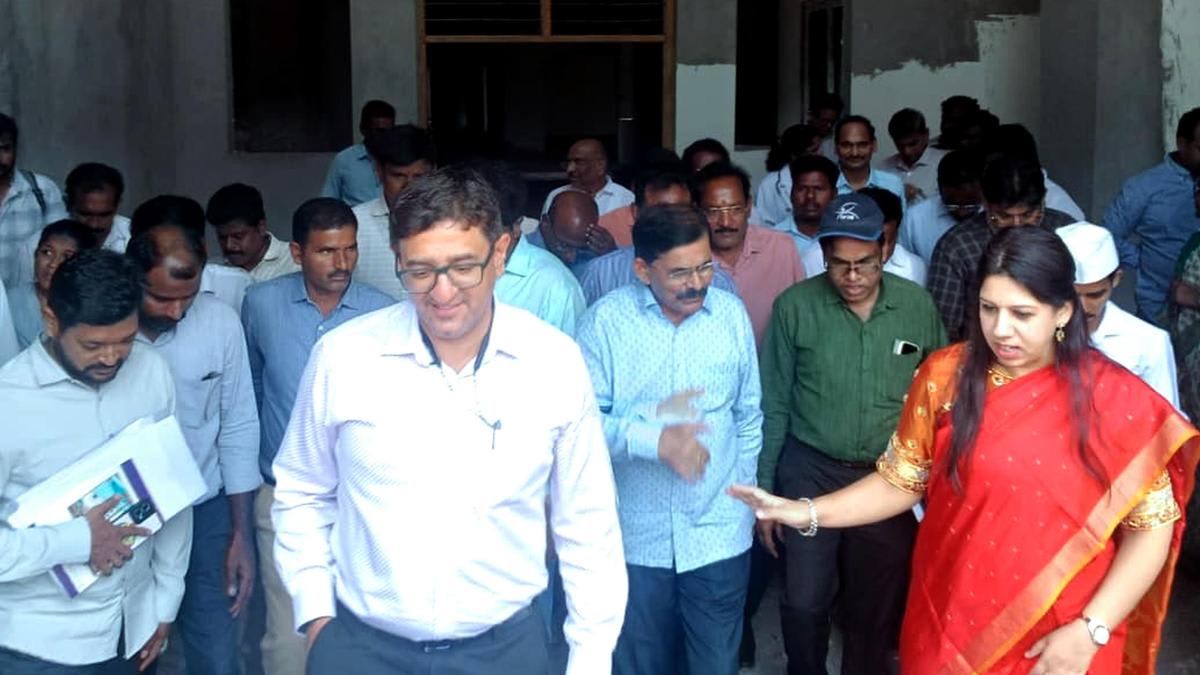
College to admit its first batch of students from the 2026-27 academic year, strengthening medical education and healthcare in Palnadu district
Expansion of Medical Education in Palnadu: Piduguralla Government Medical College
The National Medical Commission (NMC) has officially granted approval to the Piduguralla Government Medical College to introduce 100 MBBS seats. This milestone marks a significant advancement for the Palnadu district, as the institution prepares to welcome its inaugural batch of medical students for the 2026-27 academic year. This move is part of a larger strategic effort by the government to decentralize medical education across India, ensuring that rural and semi-urban areas have the necessary infrastructure to produce qualified healthcare professionals.
The Rigor of NMC Certification
The approval process conducted by the NMC is notoriously stringent, requiring comprehensive audits of physical infrastructure, faculty qualifications, clinical material, and laboratory facilities. For Piduguralla to secure this "nod," the institution must have demonstrated its capacity to provide a high standard of medical training that aligns with national benchmarks. This ensures that the 100 students admitted will not only receive a degree but will be trained in an environment that meets the rigorous demands of modern clinical practice, ultimately contributing to the overall quality of the Indian healthcare workforce.
Socio-Economic Impact on Palnadu District
The establishment of this college in the Palnadu district addresses a critical gap in healthcare accessibility and educational opportunity. Historically, aspiring medical students from this region were often forced to migrate to larger urban centers like Guntur or Vijayawada to pursue their degrees. By bringing the education center directly to the district, the government is democratizing access to medical degrees and creating a pipeline of local talent. There is a strong correlation between students studying in their home regions and their willingness to serve those same communities upon graduation, which could significantly mitigate the chronic shortage of doctors in rural Andhra Pradesh.
Synergy Between Education and Healthcare Delivery
Beyond the academic benefits, the creation of a government medical college typically entails the upgrading of an associated district hospital into a teaching hospital. This synergy means that the residents of Palnadu will gain access to specialized medical services, advanced diagnostics, and a higher volume of consultants who serve as teaching faculty. This effectively elevates the local healthcare system from primary and secondary care to a tertiary care hub, reducing the need for patients to travel long distances for specialized treatment and improving the overall health outcomes of the district population.
Strategic Timeline and Future Outlook
With the first batch scheduled for the 2026-27 academic year, the institution now enters a critical preparatory phase. The focus will shift toward finalizing the recruitment of senior residents and professors and ensuring that the clinical workload is sufficient for student training. The designated timeline suggests a phased approach to ensure that the quality of instruction is not compromised by a sudden influx of students. As the college grows, it is likely to attract further investment in medical research and auxiliary healthcare services in the surrounding area.
Conclusion
In summary, the NMC's approval for Piduguralla Government Medical College is a transformative event for the regional socio-economic landscape. By integrating medical education with healthcare delivery, the initiative promises to reduce the doctor-to-patient ratio in Palnadu and foster a sustainable ecosystem of medical excellence. This development serves as a blueprint for how regional government investments in education can lead to direct improvements in public health infrastructure.
Verification Required?