Pooled municipal bonds to finance priority urban infrastructure projects in ULBs
Source Entity
India Latest News: Top National Headlines Today & Breaking News | The Hindu
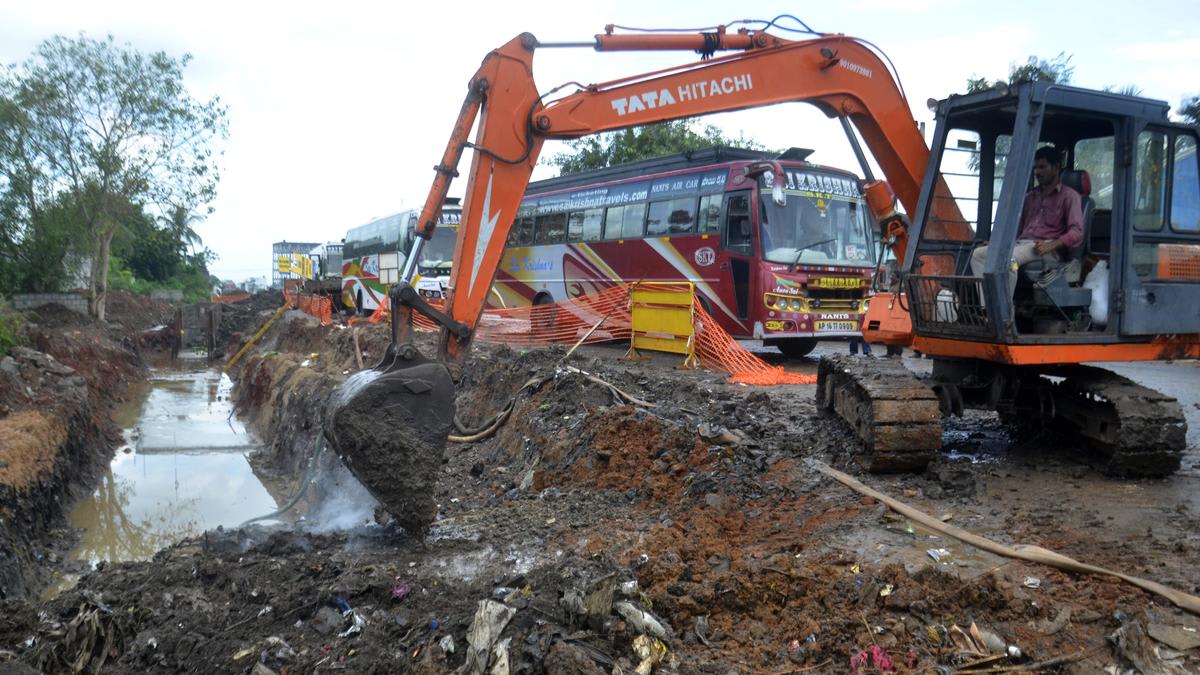
State government accords in-principle approval to mobilise ₹1,010 crore, constitutes a high-level Screening Committee to oversee bid evaluation, selection of merchant banker and implementation of the programme
Strategic Mobilization of Urban Capital: Analysis of the ₹1,010 Crore Pooled Bond Initiative
Introduction
In a significant move toward enhancing urban fiscal autonomy, the state government has accorded in-principle approval to mobilize ₹1,010 crore through the issuance of pooled municipal bonds. This financial strategy is specifically designed to fund priority urban infrastructure projects across various Urban Local Bodies (ULBs). By leveraging the capital markets, the government aims to bridge the funding gap that often hinders the development of critical city services, shifting from a reliance on traditional state grants to a more sustainable, market-driven borrowing model.
The Mechanics of Pooled Municipal Bonds
To understand the significance of this move, one must analyze the mechanism of "pooled" bonds. Many individual ULBs lack the credit rating or the scale of issuance required to attract institutional investors on their own. By pooling multiple municipalities into a single bond issue, the state creates a larger, more diversified instrument that reduces risk for investors and lowers the cost of borrowing for the participating local bodies. This ₹1,010 crore initiative essentially democratizes access to capital, allowing smaller towns and cities to benefit from the same financial instruments typically reserved for major metropolitan hubs.
Governance and the Role of the Screening Committee
The establishment of a high-level Screening Committee is a critical safeguard for the program's success. The committee's mandate to oversee bid evaluation and the selection of a merchant banker ensures that the process remains transparent and competitive. A merchant banker will play a pivotal role in structuring the bond, determining the coupon rate, and marketing the issue to the right investor base. This layer of professional oversight is essential to ensure that the bonds are priced correctly and that the ULBs involved have the capacity to service the debt without compromising their operational budgets.
Impact on Urban Infrastructure and Public Utility
The allocation of these funds toward "priority urban infrastructure projects" suggests a targeted approach to city development. Historically, urban centers have struggled with aging sewage systems, inadequate water supply networks, and deteriorating road infrastructure. By securing ₹1,010 crore, ULBs can accelerate the implementation of high-impact projects that improve the quality of life for citizens. This capital injection is likely to be directed toward projects with clear revenue-generating potential—such as toll-based roads or user-fee-based water systems—which ensures that the bonds can be repaid through the project's own earnings.
Shifting Paradigms in Fiscal Decentralization
This initiative represents a broader shift toward fiscal decentralization. For decades, ULBs have remained dependent on discretionary grants from state and central governments, which often come with bureaucratic delays and rigid spending requirements. By entering the bond market, ULBs are encouraged to adopt better accounting practices and improve their creditworthiness. This transition forces local governments to become more accountable to investors and the public, as the ability to raise future capital will depend directly on their track record of financial discipline and project execution.
Future Trends and Economic Implications
Looking forward, the success of this ₹1,010 crore mobilization could serve as a blueprint for other states and municipalities. If the Screening Committee successfully navigates the implementation phase, it will likely lead to a surge in municipal bond issuances across the region. We can expect an increasing trend where cities compete to improve their credit ratings to attract lower-interest capital. Furthermore, this may pave the way for "Green Bonds" specifically for sustainable urban projects, aligning urban growth with environmental goals.
Conclusion
The state government's decision to mobilize ₹1,010 crore through pooled municipal bonds is a sophisticated financial intervention that addresses the chronic underfunding of urban infrastructure. By combining the strength of multiple ULBs and implementing a rigorous screening process, the government is not only funding immediate physical assets but is also fostering a culture of financial maturity and self-reliance within local governance. The long-term success of this program will ultimately depend on the efficient execution of the priority projects and the disciplined repayment of the mobilized debt.
Verification Required?