The Supermarket That Turned Cashiers Into Millionaires
Source Entity
Yahoo Finance
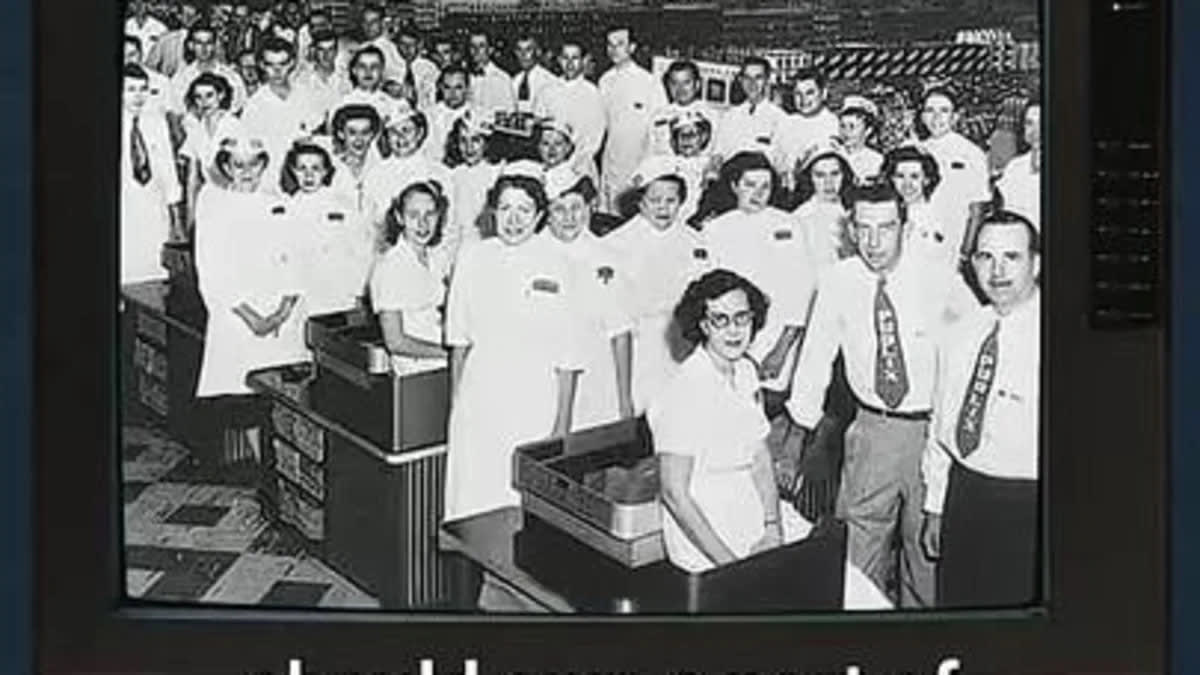
Publix is one of the largest grocery chains in the country with over 1,400 locations and $60 billion in revenue, and it all started with one idea. In 1930, George W. Jenkins was a supermarket manager ...
The Wealth-Building Grocery Giant: The Publix Legacy
The story of Publix is not merely a tale of retail dominance; it is a profound case study in how corporate structure can fundamentally alter the economic trajectory of a workforce. Founded by George W. Jenkins in 1930, the company has evolved from a single supermarket concept into a massive enterprise generating an estimated $60 billion in annual revenue. While most retail giants focus on maximizing shareholder value for external investors, Publix has distinguished itself through a unique model that has famously allowed its employees—from cashiers to managers—to build significant personal wealth.
The Genesis of a Retail Vision
To understand the magnitude of Publix's success, one must consider the historical context of its inception. Launching in 1930, during the onset of the Great Depression, Jenkins established a business model centered on service and stability. At a time when economic uncertainty was the norm, Jenkins focused on creating a reliable shopping experience. This foundational commitment to quality and customer service laid the groundwork for a brand that would eventually expand to over 1,400 locations, becoming a cornerstone of the southeastern United States' economy.
The Mechanics of Employee Wealth
The headline-grabbing phenomenon of "cashiers becoming millionaires" is rooted in the company's employee-ownership structure. Unlike traditional corporations where equity is held by institutional investors, Publix has utilized a model that provides employees with the opportunity to own shares in the company. As the company’s revenue climbed to the $60 billion mark, the appreciation of these shares acted as a powerful wealth-generation engine. For long-term employees, this stock ownership has served as a secondary form of compensation that far outstrips standard wages, effectively turning dedicated service into generational wealth.
Scaling Success and Operational Impact
With a footprint of more than 1,400 locations, the scale of Publix allows for immense operational efficiency and market influence. This massive scale creates a virtuous cycle: the company's market dominance provides the capital necessary to maintain high service standards and expand its reach, which in turn drives higher revenues and increases the value of employee-held stock. This synergy between corporate growth and individual employee prosperity is a rarity in the modern retail landscape, where labor is often viewed strictly as a cost to be minimized.
Broader Implications for Modern Capitalism
The Publix model offers a compelling alternative to the standard corporate hierarchy. By aligning the financial interests of the worker with the overall success of the organization, the company has mitigated many of the traditional pain points of the retail industry, such as high employee turnover and low engagement. When employees possess "skin in the game," their motivation to maintain high standards of service and operational excellence becomes intrinsic rather than purely transactional. This alignment suggests that inclusive ownership can be a driver of both social mobility and corporate stability.
Future Trends and Economic Outlook
Looking toward the future, the Publix model faces both opportunities and challenges. As the retail sector undergoes digital transformation and faces increasing pressure from e-commerce giants, the company's ability to maintain its high-touch, service-oriented model will be critical. Furthermore, as economic shifts like inflation and changing labor demographics impact the industry, the strength of the employee-ownership model may serve as a competitive advantage in attracting and retaining top-tier talent. The ability to offer a path to wealth, rather than just a paycheck, remains a potent tool in an increasingly competitive labor market.
Conclusion
In summary, the evolution of Publix from George W. Jenkins' 1930 vision to a $60 billion powerhouse is a testament to the power of a purpose-driven business model. By integrating employee prosperity into its core operational strategy, Publix has not only built a retail empire but has also created a unique vehicle for economic empowerment, proving that corporate success and worker wealth can, in fact, go hand in hand.