Retail inflation inches up to 4.38% in June: Government data
Source Entity
India Latest News: Top National Headlines Today & Breaking News | The Hindu
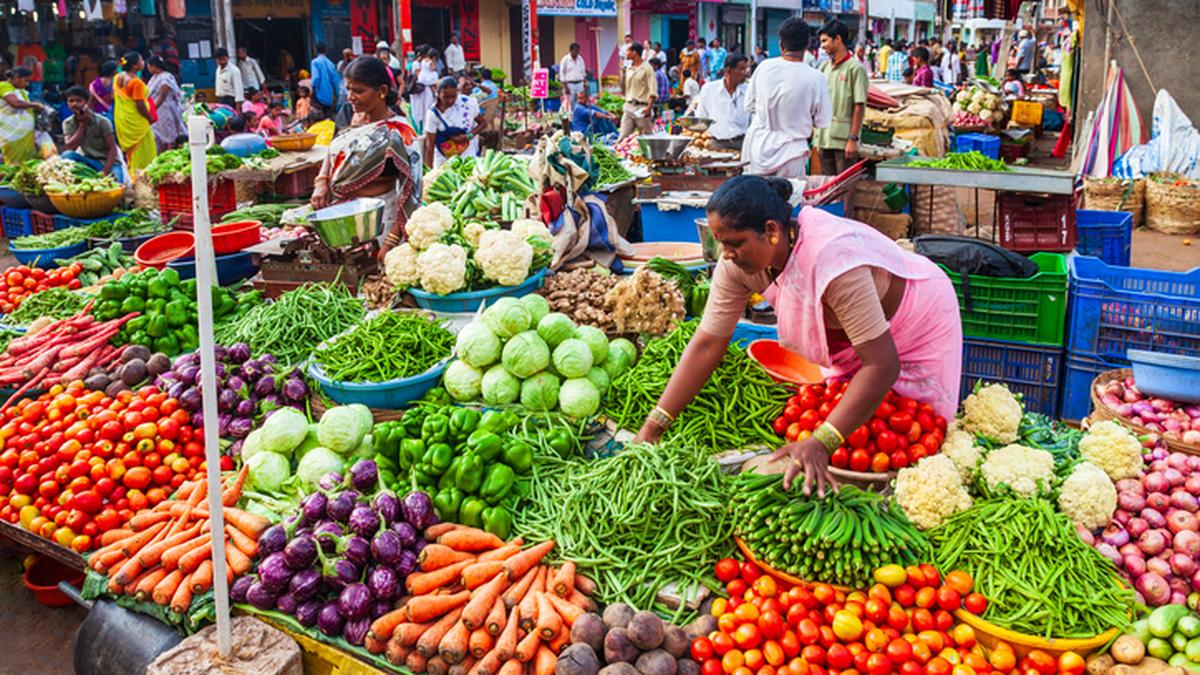
The food inflation based on the consumer price index (CPI) was 5.32% in June, higher than 4.78% in May, according to the data
Analysis of June Retail Inflation Trends
Government data for June indicates a notable uptick in retail inflation, which has reached 4.38%. This increase in the Consumer Price Index (CPI) reflects a broader rise in the cost of living, signaling that consumers are paying more for a standard basket of goods and services than they were in the previous year. While a retail inflation rate of 4.38% may seem moderate in isolation, the underlying drivers suggest specific pressures within the economy that warrant a deeper examination.
The Primary Driver: Food Inflation Surge
The most critical finding in the data is the acceleration of food inflation, which jumped to 5.32% in June, up from 4.78% in May. Food inflation typically carries a higher weight in the CPI calculation, meaning that fluctuations in the price of staples, vegetables, and dairy have a disproportionate impact on the overall retail inflation figure. The 0.54 percentage point increase in a single month suggests a sudden supply-side shock or a seasonal price spike that is pushing the general inflation rate upward.
Socio-Economic Implications for Consumers
Rising food inflation is particularly concerning because it acts as a regressive tax on the population. Lower-income households spend a significantly larger portion of their monthly budget on food compared to high-income earners. When food prices rise to 5.32%, it erodes the real purchasing power of the vulnerable most aggressively, potentially leading to a decrease in spending on other essential services such as healthcare or education. This trend can lead to a general slowdown in consumer demand across other retail sectors.
Monetary Policy and Central Bank Response
From a macroeconomic perspective, these figures place the central bank in a challenging position. Central banks typically aim for an inflation target (often around 4% with a small margin of tolerance). With retail inflation at 4.38% and food inflation trending upward, there is an increased risk of inflation expectations becoming unanchored. If food prices continue to climb, the central bank may be forced to maintain higher interest rates or even implement further hikes to dampen demand and stabilize prices, even if other sectors of the economy are showing signs of sluggishness.
Seasonal Volatility and Supply Chain Context
Historically, June is a month often characterized by agricultural transition. In many regions, this period coincides with the onset of monsoon seasons or the gap between harvest cycles, which can lead to temporary shortages of perishable goods. The rise in food inflation to 5.32% likely reflects these seasonal disruptions. However, if this trend persists beyond the seasonal window, it could indicate deeper systemic issues such as logistics bottlenecks, climate-induced crop failures, or global commodity price volatility.
Future Outlook and Economic Forecast
Looking ahead, the trajectory of retail inflation will depend heavily on the stabilization of food prices. If the government implements successful supply-side interventions—such as releasing buffer stocks or improving distribution networks—the retail inflation rate may cool down in the coming months. Conversely, if food inflation remains sticky, it could drag the overall CPI higher, necessitating a more hawkish monetary stance and potentially slowing GDP growth due to higher borrowing costs for businesses and consumers.
Summary of Findings
In conclusion, the rise in retail inflation to 4.38% is a direct consequence of the acceleration in food prices to 5.32%. This trend highlights the fragility of the consumer price index in the face of food supply volatility. While the overall inflation rate remains manageable, the specific surge in food costs poses a risk to the purchasing power of low-income households and may influence future interest rate decisions by monetary authorities.
Verification Required?