How Putin runs his war machine from a Tokyo high-rise: Report
Source Entity
TOI DEFENCE DESK
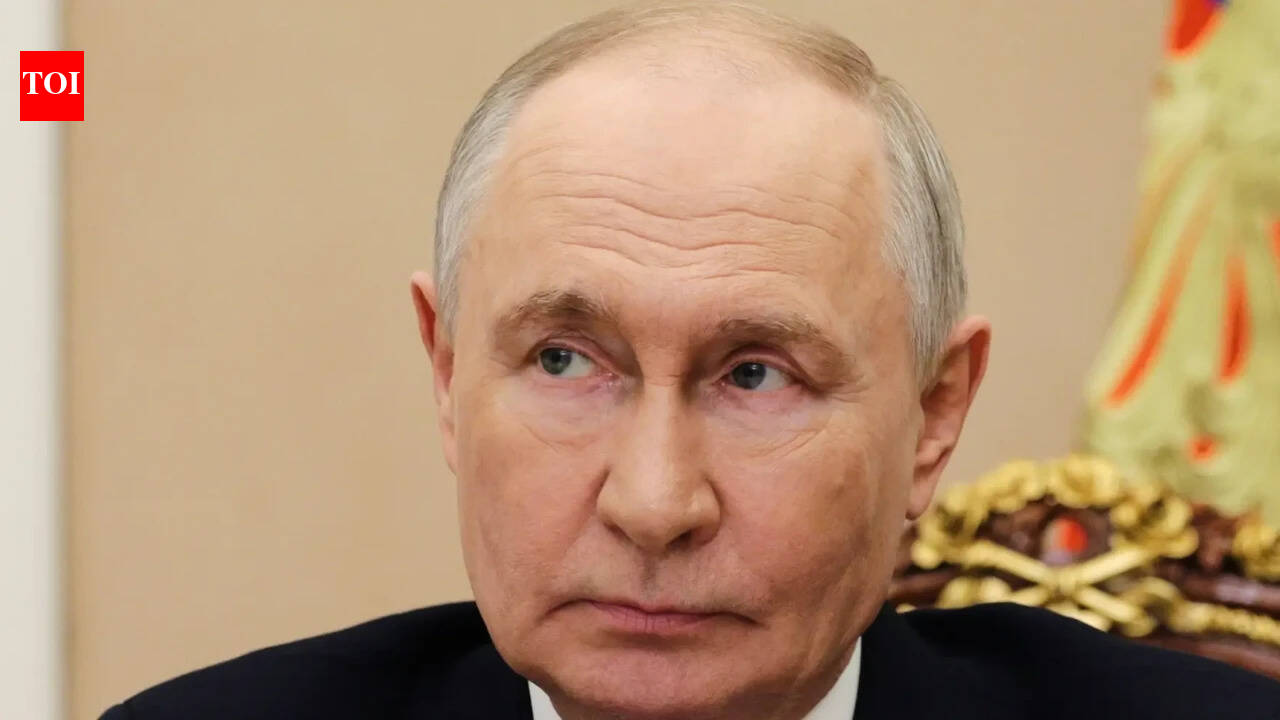
. How the network works Ukraine sent Japan evidence Japan's weak espionage laws Japan's support for Ukraine A secretive Russian military intelligence unit operating out of a Tokyo high-rise is he...
Intelligence Breach in the Heart of Tokyo
Recent reports have uncovered a startling security breach in Japan, revealing that a secretive Russian military intelligence unit has been operating directly from a high-rise building in Tokyo. This operation reportedly serves as a node in Vladimir Putin's broader 'war machine,' facilitating intelligence gathering and coordination essential to Russia's ongoing military objectives. The discovery underscores a paradoxical situation where a key ally of Ukraine has inadvertently hosted a strategic asset for the Kremlin, highlighting the complexities of urban espionage in the 21st century.
The Catalyst: Ukrainian Intelligence Collaboration
The exposure of this network was not a result of domestic Japanese surveillance, but rather the result of intelligence shared by Ukraine. This underscores the critical nature of international intelligence sharing in the modern era; Ukraine, possessing deep operational insights into Russian military intelligence patterns, was able to provide Japan with the specific evidence needed to identify the Tokyo-based cell. This collaboration demonstrates a strategic alignment between Kyiv and Tokyo, shifting their relationship from mere diplomatic and financial support to active security cooperation aimed at neutralizing Russian influence operations.
The "Espionage Gap": Japan's Legal Vulnerabilities
A central theme of this report is the critique of Japan's existing legal framework regarding espionage. For years, security experts have warned that Japan's weak espionage laws make it an attractive environment for foreign intelligence agencies. Unlike many Western nations, Japan has historically lacked a comprehensive, stringent law that criminalizes the act of spying for a foreign power if it does not involve the theft of classified government secrets. This legal loophole allows foreign agents to operate under the guise of business or diplomatic activity, making it exceedingly difficult for Japanese authorities to dismantle such networks before they become deeply embedded.
Geopolitical Contradictions and Strategic Risks
The presence of a Russian intelligence hub in Tokyo creates a sharp contrast with Japan's official foreign policy. Since the invasion of Ukraine, Japan has been one of the most vocal supporters of Kyiv, providing significant financial aid and aligning its sanctions regime with G7 standards. The fact that Russia could maintain a military intelligence presence in Tokyo while Japan publicly condemned the war suggests a failure in internal counter-intelligence. It reveals a strategic vulnerability where public diplomatic posture is not matched by internal security rigor, potentially compromising not only Japanese interests but those of its allies.
Future Implications for Japanese Security
Moving forward, this incident is likely to accelerate the push for legislative reform within the Japanese government. The pressure to enact a more robust anti-espionage law will intensify as the risk of foreign interference becomes more tangible. We can expect Japan to increase its investment in domestic counter-intelligence capabilities and further integrate its security apparatus with the 'Five Eyes' or similar intelligence-sharing networks. The Tokyo high-rise incident serves as a wake-up call that the frontline of the Russia-Ukraine conflict extends far beyond Eastern Europe, reaching into the financial and urban centers of Asia.
Summary
The discovery of a Russian military intelligence unit in Tokyo exposes a critical intersection of geopolitical tension and legal insufficiency. While Ukrainian intelligence provided the necessary evidence to uncover the plot, the ease with which Russia established a base of operations highlights the urgent need for Japan to modernize its espionage laws to protect its national security in an increasingly volatile global landscape.