Salesforce receives double blow over an AI product
Source Entity
Yahoo Finance
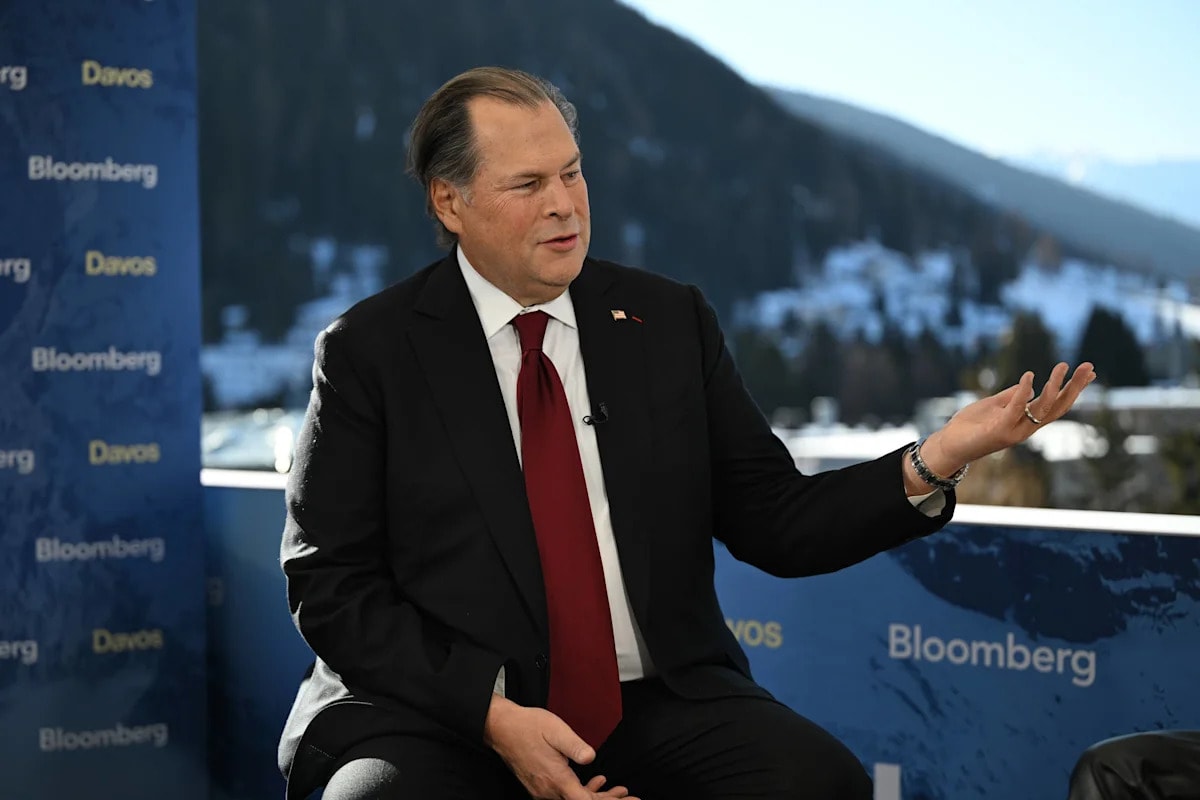
Salesforce (CRM) rarely draws a downgrade from two research firms at once. This week it did. On Thursday, July 9, KeyBanc Capital Markets and Bernstein downgraded Salesforce to a Hold. The stock fell...
Analysis: Salesforce Faces Market Skepticism Amid AI Pivot
Salesforce (CRM), a titan in the customer relationship management space, has encountered a rare and coordinated setback from the financial community. On Thursday, July 9, the company suffered a "double blow" as both KeyBanc Capital Markets and Bernstein downgraded the stock to a 'Hold' rating. In the world of equity research, it is uncommon for two major firms to shift their outlook on a blue-chip stock simultaneously, suggesting a growing consensus among analysts that Salesforce's current valuation may not be supported by its immediate growth trajectory, specifically regarding its artificial intelligence initiatives.
The Weight of the Double Downgrade
The Shift from AI Hype to Execution
The core of this volatility lies in the market's evolving relationship with generative AI. For the past year, Salesforce has aggressively integrated AI into its ecosystem, promising a revolution in how enterprises manage customer data and automation. However, the downgrades indicate a critical inflection point: investors are moving past the "hype phase" of AI announcements and are now demanding tangible evidence of monetization and product efficacy. When research firms like Bernstein and KeyBanc downgrade a stock based on an AI product, it typically signals a belief that the product is either failing to gain sufficient market traction or is not commanding the premium pricing necessary to justify the company's stock price.
Competitive Pressures in the SaaS Landscape
Salesforce does not operate in a vacuum. The enterprise software sector is currently a battlefield where Microsoft, Oracle, and SAP are all vying for dominance in the "AI-first" CRM era. Microsoft's integration of Copilot across its suite provides a formidable challenge, as it leverages a deeply embedded ecosystem. The simultaneous downgrades suggest that analysts may perceive Salesforce as losing some of its first-mover advantage or struggling to differentiate its AI offerings from those of its competitors. This competitive pressure forces Salesforce to innovate faster while maintaining the stability of its legacy platforms, a balancing act that is clearly weighing on investor confidence.
Financial Implications and Market Sentiment
A shift to a 'Hold' rating is often a polite way for analysts to signal a lack of near-term catalysts for growth. For a company like Salesforce, which has historically been viewed as a high-growth engine, a 'Hold' suggests that the stock has reached a plateau. The subsequent drop in stock price reflects a repositioning of the asset by institutional investors who may be rotating their capital into AI firms with more predictable revenue streams or more disruptive technology. The market is now questioning whether Salesforce's AI investments will result in a significant increase in Average Revenue Per User (ARPU) or if they are simply necessary expenditures to prevent customer churn.
Future Outlook: The Path to Recovery
To reverse this trend, Salesforce must provide concrete data during its next earnings cycle that proves its AI products are driving actual business outcomes for its clients. The company needs to move beyond conceptual demonstrations and showcase widespread adoption and high renewal rates for its AI-enhanced tiers. If Salesforce can demonstrate that its AI tools are fundamentally changing the productivity of the sales and service workforce, it will likely regain the 'Buy' ratings from the research community. Until then, the stock is likely to remain sensitive to any news regarding AI product performance or competitive pivots from its rivals.
Summary
In conclusion, the coordinated downgrades by KeyBanc and Bernstein highlight a period of intense scrutiny for Salesforce. The transition from a traditional CRM provider to an AI-powered enterprise platform is fraught with risk, and the recent stock decline serves as a reminder that the market will no longer reward AI ambition alone—it now demands proven execution and financial returns.