‘Sanjay Dutt was trembling with fear’: Ujjwal Nikam on what actor said after he was sentenced
Source Entity
Jyothi Jha
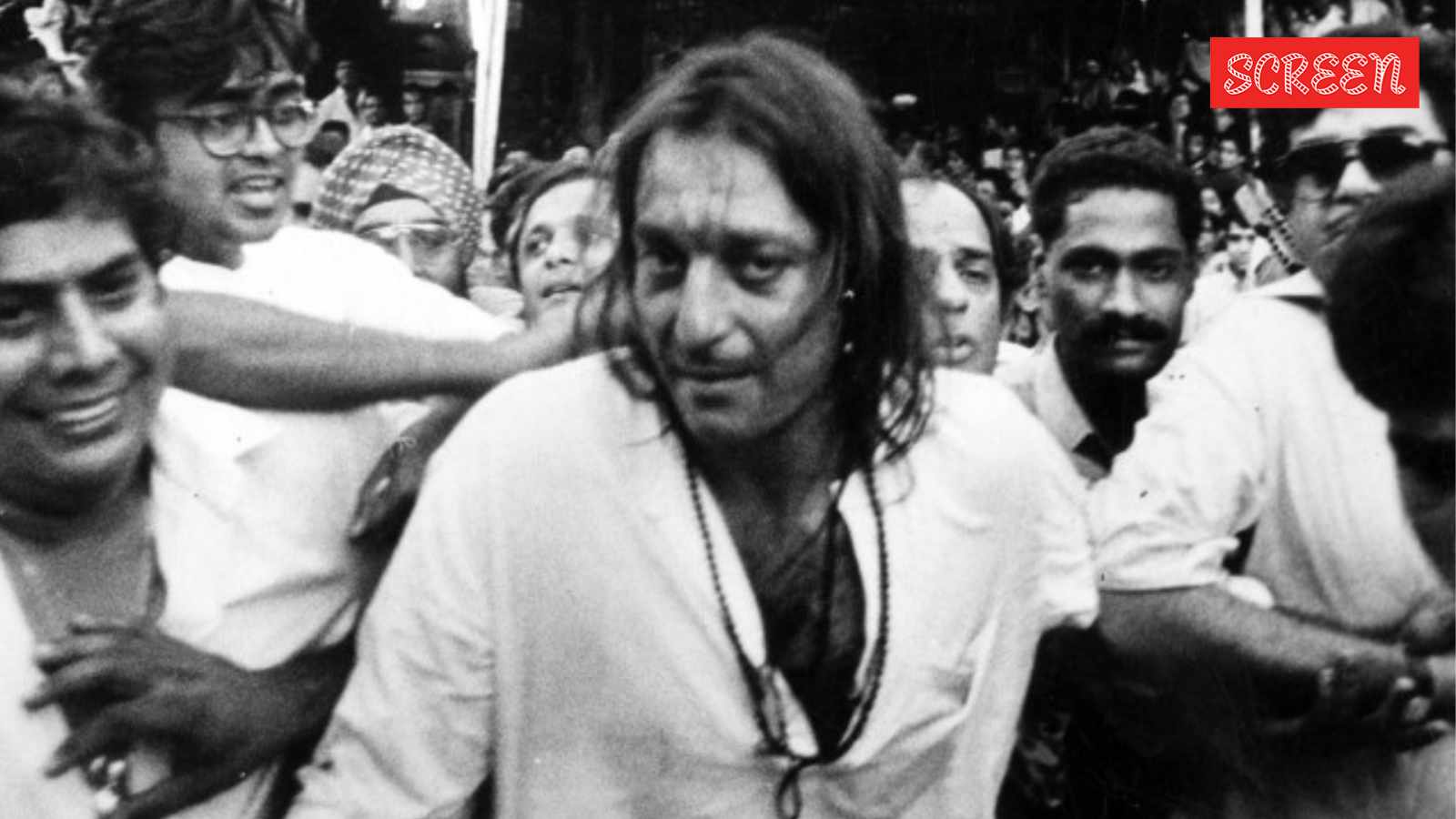
When actor Sanjay Dutt was arrested for illegally possessing weapons procured from underworld operatives, some of the country’s biggest lawyers defended him in court. Yet, he was sentenced to prison—a...
The Intersection of Glamour and Crime: Analyzing Sanjay Dutt's Legal Crisis
The revelation by Special Public Prosecutor Ujjwal Nikam regarding actor Sanjay Dutt's emotional state upon being sentenced offers a rare, humanizing glimpse into one of the most high-profile legal battles in Indian cinematic history. The core of the event centers on the moment the law finally caught up with the superstar, who had been accused of illegally possessing weapons—including an AK-56—procured through underworld channels. Nikam's description of Dutt 'trembling with fear' underscores the stark contrast between the actor's public persona of an invincible "bad boy" and the visceral reality of facing incarceration for crimes linked to national security.
The Psychological Impact of the Verdict
Nikam's observation that Dutt was trembling suggests a profound psychological shift. For years, the actor had navigated the legal system with the support of the country's most elite legal minds, likely fostering a sense of insulation from the consequences of his actions. The moment of sentencing represents the collapse of that perceived shield. This reaction is significant because it highlights the inherent vulnerability of individuals, regardless of their social standing or fame, when confronted with the absolute authority of the judiciary. The fear was not merely of the prison walls, but of the loss of status and the definitive labeling of his association with criminal elements.
The Legal Battle and the Failure of Elite Defense
As noted in the reports, some of India's most prestigious lawyers defended Sanjay Dutt. The fact that he was still sentenced despite this high-caliber legal representation speaks to the gravity of the charges. The possession of automatic weapons, especially those linked to operatives involved in the 1993 Mumbai blasts, is treated with extreme severity under Indian law. The defense likely attempted to frame the possession as a result of naivety or coercion, but the evidence of procurement from underworld figures made the legal path to acquittal nearly impossible. This case serves as a historical reminder that in matters of national security and illegal arms, professional prestige and wealth cannot fully bypass the statutory requirements of the law.
Historical Context: The Bollywood-Underworld Nexus
To understand the depth of this event, one must look at the broader historical context of the 1980s and 90s in Mumbai. During this era, there was a documented and dangerous nexus between the film industry and organized crime syndicates, such as those led by Dawood Ibrahim. Many actors and producers were coerced or lured into associations with the underworld for funding or protection. Sanjay Dutt's involvement became the most visible example of this intersection. His sentencing was not just an individual legal failure but a symbolic victory for the state in dismantling the perceived immunity enjoyed by those who flirted with the underworld during the city's most turbulent decade.
Broader Implications for Celebrity Justice
This event sparked a nationwide conversation about the "celebrity exception" in the Indian judicial system. While Dutt did serve time, the subsequent appeals, presidential pardons, and the narrative of redemption that followed his release highlight the complex way the public and the state view fallen icons. The narrative shift from a "criminal" to a "victim of circumstances" who found redemption is a recurring theme in celebrity trials. However, Nikam's account of Dutt's fear serves as a critical anchor, reminding the public that the initial impact of the law is impartial and terrifying, regardless of the defendant's stardom.
Conclusion: Legacy and Lessons
In summary, the account provided by Ujjwal Nikam transforms a dry legal record into a study of human fragility and the rule of law. The event remains a pivotal moment in Indian pop culture, marking the point where the fantasy of the movie star collided with the reality of the penal code. Looking forward, this case continues to be cited as a cautionary tale regarding the dangers of associating with organized crime. It reinforces the principle that while fame can buy the best defense, it cannot buy an escape from the consequences of possessing weapons of war on civilian soil.