Supreme Court to hear plea seeking guidelines to curb 'unpredictable fluctuations' of airfares on July 13
Source Entity
India Latest News: Top National Headlines Today & Breaking News | The Hindu
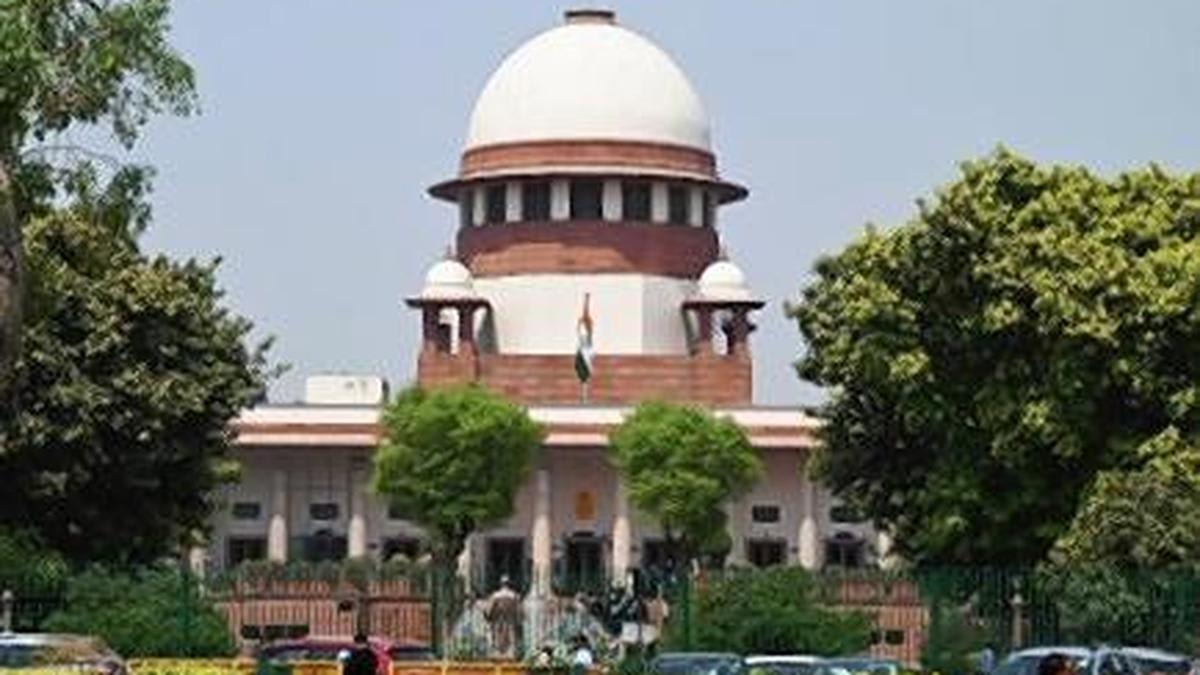
A bench of Justices Vikram Nath and Sandeep Mehta will hear the plea filed by social activist S. Laxminarayanan, who also sought a robust and independent regulator that ensures transparency and passenger protection across the civil aviation sector
Judicial Intervention in Aviation Pricing: Analyzing the Supreme Court Plea
On July 13, the Supreme Court of India, through a bench comprising Justices Vikram Nath and Sandeep Mehta, will address a critical plea filed by social activist S. Laxminarayanan. The petition centers on the volatility of domestic airfares, seeking the implementation of guidelines to curb 'unpredictable fluctuations' and the creation of a robust, independent regulatory body. This case highlights a growing tension between the aviation industry's reliance on algorithmic pricing and the consumer's right to fair, transparent pricing.
The Mechanics of Dynamic Pricing and Consumer Anxiety
At the heart of this legal challenge is the practice of 'dynamic pricing,' where airlines utilize sophisticated software to adjust ticket prices in real-time based on demand, timing, and consumer behavior. While this is a standard business practice globally to maximize revenue per seat, it often results in extreme price spikes during peak seasons or short-notice bookings. The plea argues that these fluctuations have become unpredictable to the point of exploitation, leaving passengers vulnerable to sudden cost increases that can make air travel inaccessible for a significant portion of the population. By seeking judicial guidelines, the petitioner is essentially asking the court to define the boundaries of 'fair' pricing in a deregulated market.
The Call for Independent Oversight
One of the most significant aspects of the plea is the demand for a "robust and independent regulator." Currently, the Directorate General of Civil Aviation (DGCA) oversees safety and some operational aspects, but the pricing of tickets remains largely at the discretion of the airlines. The petitioner posits that the current regulatory framework is insufficient to protect passengers from arbitrary price hikes. An independent regulator would potentially introduce transparency mandates, requiring airlines to justify sudden fare increases or implement price caps during emergencies, thereby shifting the power balance from the service provider back to the consumer.
Broader Implications for Passenger Protection
The pursuit of 'passenger protection' mentioned in the plea extends beyond just the cost of the ticket. It touches upon the fundamental right to transparency in commercial transactions. When fares fluctuate wildly without a clear, disclosed logic, it creates an environment of uncertainty. If the Supreme Court decides to intervene, it could set a legal precedent that treats air travel not merely as a luxury service subject to raw market forces, but as a critical utility that requires a degree of social safeguarding. This could lead to mandated disclosures regarding how fares are calculated, providing passengers with more predictability and agency.
Potential Industry Backlash and Market Dynamics
From an industry perspective, this plea represents a potential threat to the operational flexibility of airlines. Carriers argue that dynamic pricing is essential to offset high operational costs, such as volatile aviation turbine fuel (ATF) prices and airport charges. Any court-mandated guidelines or the imposition of a strict regulator could be viewed as an infringement on free-market principles. The court will likely have to balance the economic viability of airlines—especially in a market where several carriers struggle with profitability—against the necessity of protecting the public from predatory pricing strategies.
Conclusion: A Landmark Moment for Indian Aviation
The hearing on July 13 will be a pivotal moment for the Indian civil aviation sector. Whether the Court chooses to issue specific guidelines or directs the government to formulate a new regulatory framework, the outcome will likely redefine the relationship between airlines and passengers in India. By addressing the 'unpredictable' nature of airfares, the judiciary has the opportunity to ensure that the growth of the aviation sector does not come at the cost of consumer exploitation, ultimately striving for a market that is both competitive and equitable.
Verification Required?