Swiggy Instamart gets 9 FSSAI notices after consumers allege food safety violations
Source Entity
The Indian Express
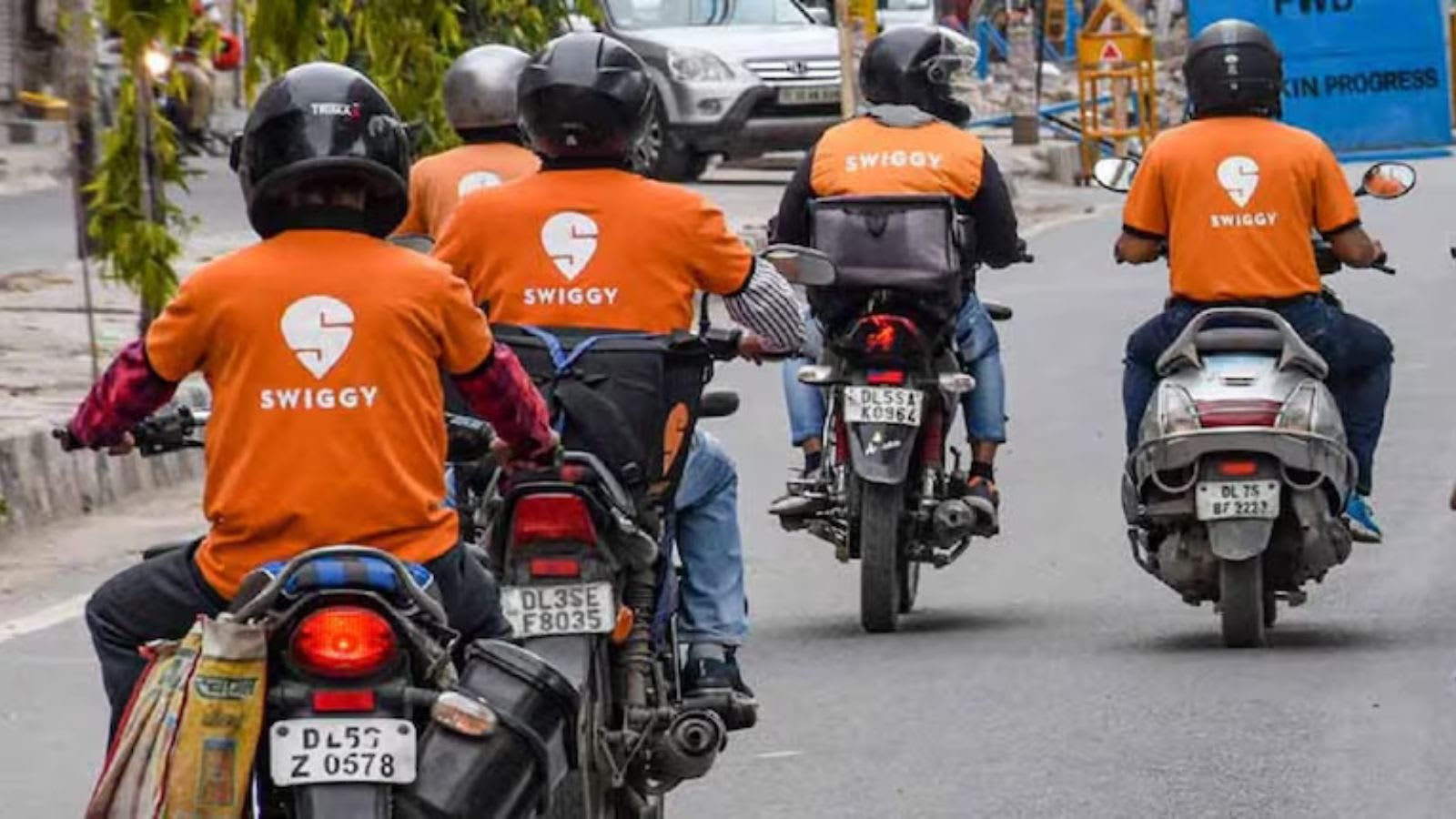
The Food Safety and Standards Authority of India (FSSAI) has issued nine notices to Swiggy Instamart following multiple consumer complaints alleging violations of the Food Safety and Standards Act, 20...
Regulatory Scrutiny: Swiggy Instamart and the FSSAI Crackdown
In a significant development for India's burgeoning quick-commerce sector, the Food Safety and Standards Authority of India (FSSAI) has issued nine formal notices to Swiggy Instamart. This regulatory action comes as a direct response to a series of consumer complaints alleging violations of the Food Safety and Standards Act. The incident underscores a growing tension between the rapid operational pace of '10-minute delivery' services and the stringent health and safety mandates required to protect public health. This development is not merely a legal hurdle for Swiggy but a signal that the FSSAI is intensifying its oversight of digital marketplaces that handle perishable goods.
The Conflict Between Speed and Safety
At the heart of this issue is the operational model of quick-commerce, which relies on a network of 'dark stores'—small, localized warehouses designed for hyper-local delivery. The pressure to maintain extreme speed often puts a strain on inventory management and storage conditions. When consumers allege food safety violations, it typically points to failures in the cold chain, improper storage of perishables, or the sale of expired products. For a company like Swiggy Instamart, these nine notices suggest systemic gaps in how food safety is monitored across its various dark store nodes, where the rush to fulfill orders may have inadvertently compromised the rigorous standards set by the FSSAI.
Understanding the FSSAI Framework
The Food Safety and Standards Act serves as the primary legislative pillar for food quality in India, aiming to consolidate various food laws into a single, comprehensive regulatory body. The FSSAI's role is to ensure that food is safe for human consumption and that labeling and hygiene standards are strictly followed. By issuing these notices, the FSSAI is exercising its power to hold e-commerce intermediaries accountable. Historically, regulators focused on manufacturers and physical retailers; however, the shift toward digital procurement has forced the FSSAI to redefine accountability, treating platforms like Swiggy not just as delivery agents, but as critical links in the food supply chain responsible for the integrity of the products they store and sell.
Implications for the Quick-Commerce Ecosystem
This regulatory action is likely to send ripples across the entire quick-commerce landscape, affecting competitors such as Blinkit and Zepto. The industry is currently in a high-growth phase, often prioritizing market share and delivery speed over operational maturity. These notices serve as a warning that regulatory bodies will not overlook safety lapses in favor of technological convenience. We can expect to see an industry-wide shift toward more robust auditing processes, investments in smarter cold-storage technology, and a more transparent tracking system for product expiry dates to avoid similar legal repercussions.
Consumer Trust and the Digital Shift
Consumer behavior in India has shifted rapidly toward convenience, but this shift is fragile. Allegations of food safety violations can lead to a swift erosion of trust, as health concerns are a primary driver for food procurement decisions. The fact that these notices were triggered by consumer complaints highlights the increasing empowerment of the digital consumer, who is now more likely to report grievances to national regulators. For Swiggy Instamart, the challenge will be to move beyond mere legal compliance and actively communicate the steps being taken to ensure food safety, thereby reclaiming consumer confidence.
Future Outlook and Strategic Pivot
Looking ahead, Swiggy Instamart will likely need to implement a more rigorous internal compliance framework. This could include third-party safety audits for every dark store and the integration of IoT-based temperature monitoring to ensure perishables remain safe throughout the storage process. Furthermore, the FSSAI may introduce more specific guidelines tailored to the quick-commerce model, potentially mandating stricter licensing for dark stores. Ultimately, the long-term viability of the quick-commerce model depends on its ability to prove that 'fast' does not mean 'unsafe.'
Conclusion
The issuance of nine notices by the FSSAI to Swiggy Instamart is a pivotal moment that highlights the necessity of balancing technological efficiency with public safety. While the quick-commerce revolution has redefined urban shopping, this event serves as a critical reminder that regulatory compliance is non-negotiable. As the industry matures, the integration of safety-first protocols will be the primary differentiator between platforms that scale sustainably and those that succumb to regulatory pressure.