Liquor bottle buyback scheme: Tasmac tells Madras HC it is considering proposal to add ₹10 refundable deposit to MRP
Source Entity
India Latest News: Top National Headlines Today & Breaking News | The Hindu
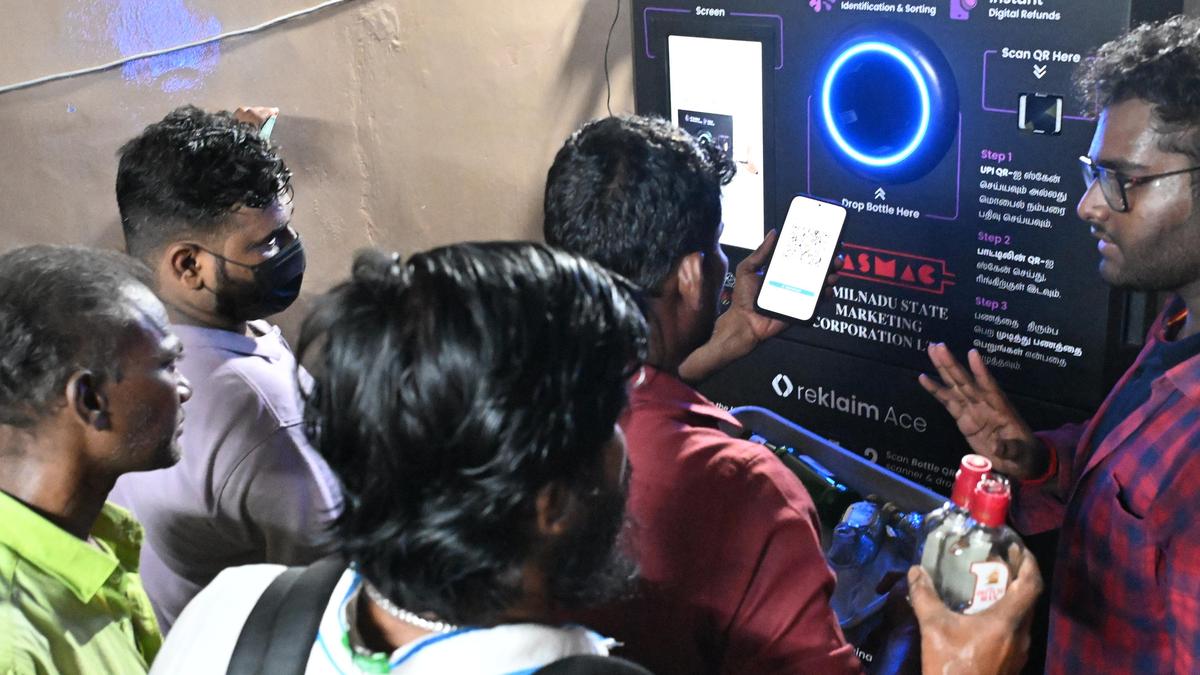
The corporation says, the proposal has been forwarded to the government after obtaining legal opinion from the Advocate General
Analysis of Tasmac's Proposed Liquor Bottle Buyback Scheme
In a significant move toward environmental sustainability and waste management, the Tamil Nadu State Marketing Corporation (Tasmac) has informed the Madras High Court that it is evaluating a proposal to implement a bottle buyback scheme. The core of this initiative involves adding a ₹10 refundable deposit to the Maximum Retail Price (MRP) of liquor bottles. This proposal, which has already undergone legal scrutiny via the Advocate General, has been forwarded to the state government for final approval. This move signals a shift in how state-run monopolies handle the lifecycle of their packaging materials.
The Mechanics of the Refundable Deposit System
The proposed system operates on a circular economy principle. By adding a nominal fee of ₹10 to the MRP, the corporation creates a financial incentive for the consumer to return the empty bottle to the point of sale. Once the bottle is returned, the deposit is refunded to the customer. This mechanism is designed to ensure that a higher percentage of glass and plastic bottles are recovered rather than ending up in landfills or as litter in public spaces. From an operational standpoint, this requires Tasmac to establish a robust reverse logistics network to collect, transport, and potentially recycle these bottles, turning a waste stream into a managed resource.
Environmental Implications and Waste Management
Liquor packaging, particularly glass and high-grade plastics, poses a significant environmental challenge due to its durability and slow decomposition rate. In urban centers across Tamil Nadu, the accumulation of discarded bottles often leads to drainage clogs and safety hazards. By incentivizing the return of these containers, Tasmac can significantly reduce the carbon footprint associated with the production of new bottles. Furthermore, this initiative aligns with broader national goals regarding plastic waste management and the reduction of non-biodegradable litter, positioning a state-run entity as a leader in corporate environmental responsibility.
Legal Framework and Administrative Process
The fact that the proposal was forwarded to the government only after obtaining a legal opinion from the Advocate General underscores the complexity of altering the MRP of a controlled substance. In India, liquor pricing and taxation are strictly regulated by state laws. Any addition to the MRP, even if labeled as a "refundable deposit," must be legally distinguished from a tax or a price hike to avoid legal challenges or consumer backlash. The involvement of the Madras High Court indicates that this issue has likely been raised in the context of public interest litigation or environmental compliance, forcing the corporation to formalize its waste management strategy.
Socio-Economic Impact and Informal Sector Integration
One of the most interesting aspects of this proposal is its potential impact on the informal waste-picking sector. Currently, many 'kabadiwallas' (scrap dealers) collect glass bottles for a meager sum. A formalized ₹10 deposit could either disrupt this informal economy or integrate it, depending on whether the buyback is restricted to Tasmac outlets or extended to authorized collection centers. If implemented correctly, it could provide a more stable income stream for waste collectors while ensuring that the state government maintains a closed-loop system for its packaging materials.
Future Trends in Sustainable Packaging
Looking forward, if this pilot is successful, it could set a precedent for other state-run corporations and private beverage companies across India. We may see a transition toward a standardized 'Deposit Return Scheme' (DRS) across various industries, including soft drinks and pharmaceuticals. The trend is moving away from mere 'recyclability' toward 'guaranteed recovery.' As environmental regulations tighten globally, the shift from a linear 'take-make-dispose' model to a circular one is inevitable, and Tasmac's proposal is a concrete step in that direction.
Conclusion
Tasmac's proposal to introduce a ₹10 refundable deposit is more than a simple pricing adjustment; it is a strategic attempt to address the environmental externalities of liquor sales. While the success of the scheme depends on the government's approval and the efficiency of the return logistics, the move demonstrates a proactive approach to waste management. By leveraging financial incentives, the state aims to transform consumer behavior and reduce the ecological impact of its operations.
Verification Required?