Poor monsoon and no Cauvery water: distress in Tamil Nadu’s delta region
Source Entity
India Latest News: Top National Headlines Today & Breaking News | The Hindu
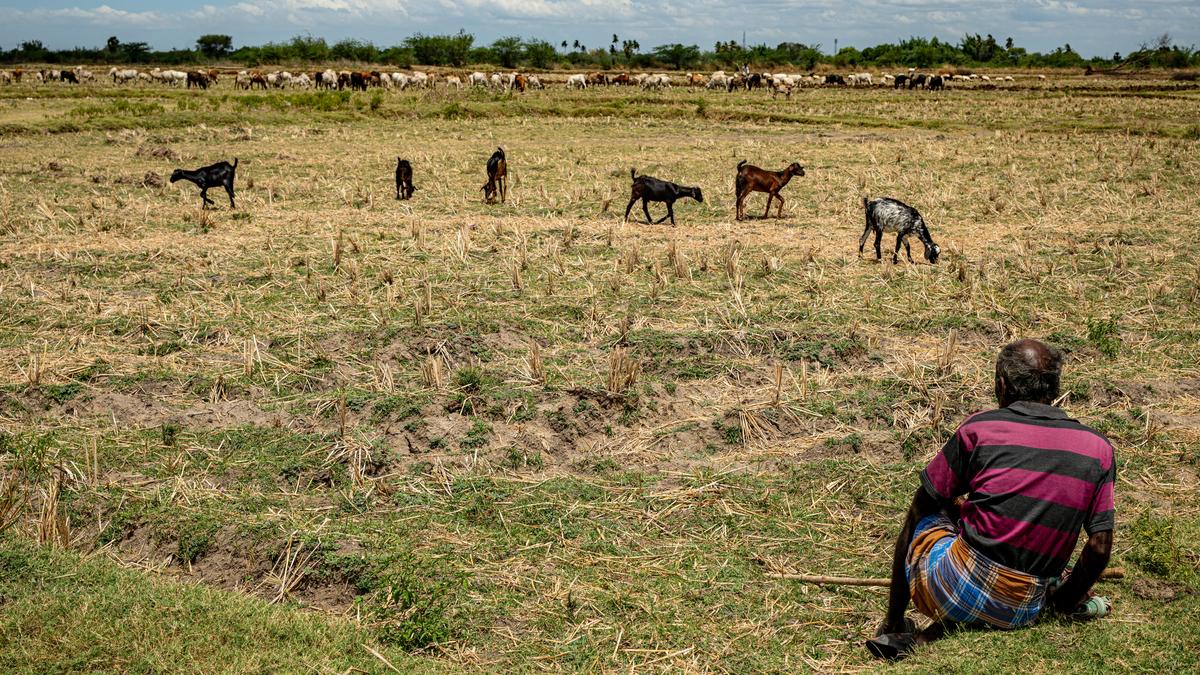
All is not well in the famed ‘Granary of South India’. Between a poor southwest monsoon and lack of water in the Cauvery, crops and farmers are left high and dry. The kuruvai cultivation area in Thanjavur alone has dipped to around 89,000 acres this season from around 1,94,000 acres in the previous cultivation year. This report describes the situation on the ground
The Desiccation of the Granary: An Agricultural Crisis in Thanjavur
The Thanjavur delta, historically celebrated as the 'Granary of South India,' is currently facing an unprecedented agricultural emergency. A dual blow of meteorological and hydrological failures has left the region's fertile lands parched, threatening both local livelihoods and regional food security. The crisis is driven by two primary factors: a significantly weakened southwest monsoon and a critical shortage of water from the Cauvery River, a situation that has left farmers in a state of profound distress.
The Convergence of Water Scarcity
The current crisis is not the result of a single failure but a compounding effect of environmental stressors. The southwest monsoon, which is essential for replenishing the groundwater and surface reservoirs of the delta, has underperformed this season. This lack of precipitation is exacerbated by the dwindling flow of the Cauvery River. As the primary artery for irrigation in the region, any reduction in the Cauvery's volume directly impacts the ability of farmers to sustain their crops, particularly during the critical kuruvai season.
Drastic Reductions in Cultivation
The statistical impact of this water scarcity is stark and alarming. In the Thanjavur district alone, the area dedicated to kuruvai cultivation has plummeted from approximately 194,000 acres in the previous year to a mere 89,000 acres this season. This represents a reduction of more than 50%, a devastating blow to the agricultural output of the region. Such a significant contraction in cultivated land suggests that nearly half of the expected harvest is at risk of being lost entirely due to the absence of irrigation.
Socio-Economic Consequences for the Delta
Beyond the immediate loss of crops, the implications for the farming community are catastrophic. Agriculture in the Thanjavur delta is the backbone of the local economy; a failure in the kuruvai season ripples through the entire supply chain, affecting laborers, equipment suppliers, and local markets. Farmers, many of whom operate on thin margins and rely on seasonal cycles to repay debts, are now facing severe financial instability. This distress often leads to increased rural indebtedness and can trigger migration to urban centers as traditional farming becomes unviable.
Historical Context and Climate Pressures
The struggle for water in the Cauvery delta is a recurring theme in the history of Tamil Nadu, often complicated by inter-state water sharing disputes. However, the current situation is increasingly shaped by broader climatic shifts. The increasing unpredictability of the monsoon patterns is a hallmark of global climate change, making traditional agricultural calendars less reliable. The convergence of low rainfall and reduced river flow highlights the extreme vulnerability of rain-fed and river-dependent agricultural systems to shifting weather patterns.
Future Outlook and Resilience
Looking forward, the situation in the Thanjavur delta serves as a warning for the necessity of improved water management and climate-resilient agricultural practices. Without significant investments in micro-irrigation, rainwater harvesting, and more robust water-sharing frameworks, the 'Granary of South India' may face increasingly frequent periods of drought. The current crisis underscores the urgent need for a strategic approach to water conservation to protect the livelihoods of millions who depend on this delicate ecosystem.
Summary
In conclusion, the dramatic decline in kuruvai cultivation in Thanjavur is a symptom of a larger environmental crisis. The combination of a poor monsoon and insufficient Cauvery water has crippled the region's agricultural capacity, demanding immediate attention from policymakers and a long-term shift in how water resources are managed in the delta.
Verification Required?