'We Gotta Bring Jensen Huang Back': Uber Co-Founder Backs Former Nvidia CEO
Source Entity
NDTV News Search Records Found 1000
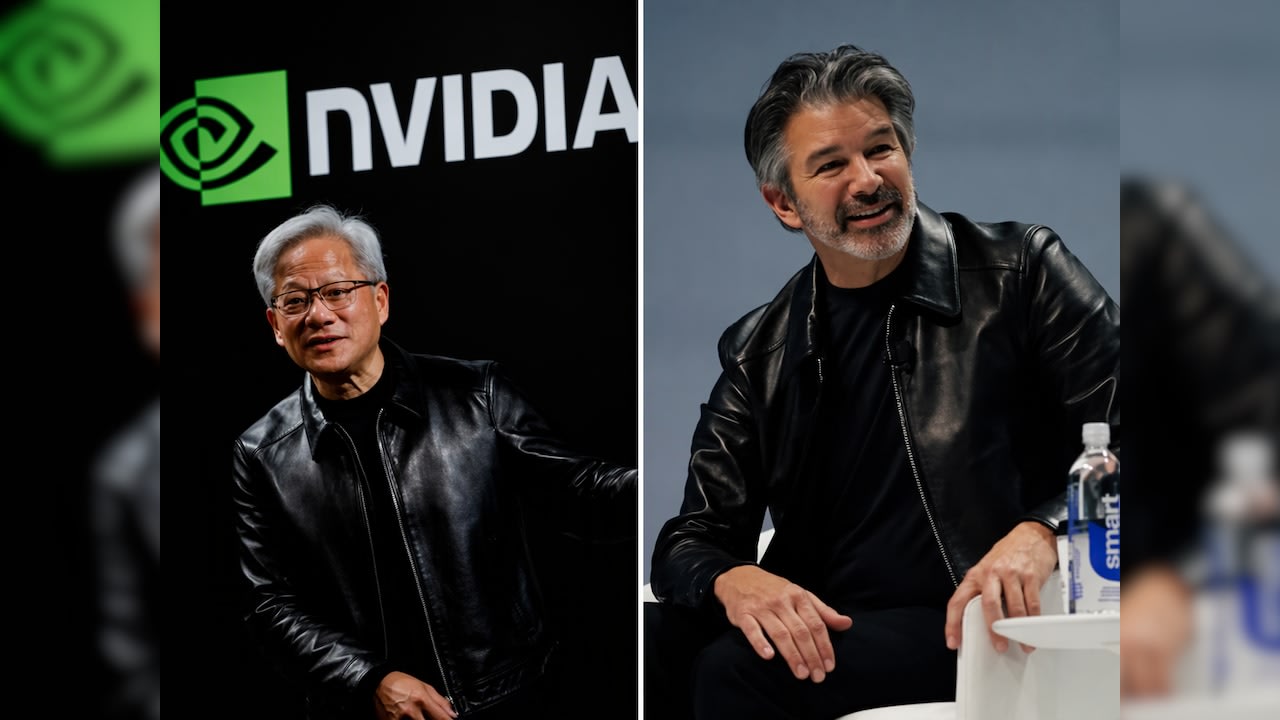
Uber co-founder Travis Kalanick has publicly suggested that Nvidia CEO Jensen Huang should return to his position. Kalanick drew direct parallels between this hypothetical scenario and his own departure from Uber in 2017.
The Kalanick-Huang Parallel: Leadership and Legacy
Travis Kalanick, the controversial and high-profile co-founder of Uber, has recently sparked industry discourse by suggesting that Jensen Huang should be brought back to lead Nvidia. This statement, while seemingly speculative, carries significant weight given Kalanick's own history as a founder who was ousted from the company he built. By drawing a parallel between his 2017 departure from Uber and Huang's current position, Kalanick is highlighting the recurring tension between visionary founders and the governance structures that eventually seek to replace them.
The Dynamics of Founder Departures
The narrative of the 'ousted founder' is a recurring theme in Silicon Valley history. When Kalanick was forced to resign as CEO of Uber in 2017, it followed a series of internal crises and mounting pressure from investors. By invoking this history, Kalanick is positioning the potential exit of a titan like Jensen Huang not merely as a corporate transition, but as a loss of the specific, aggressive, and innovative vision that defined the company's trajectory. This perspective suggests that companies often lose their 'soul' or their competitive edge when the original architect is removed from the helm.
Analyzing the Nvidia Context
Nvidia has become the cornerstone of the modern artificial intelligence revolution under Huang’s leadership. The company’s meteoric rise in market capitalization and its dominance in GPU manufacturing are intrinsically linked to Huang’s specific strategic bets on AI infrastructure. Kalanick’s comments imply that should leadership change occur, the company risks losing the singular focus that has allowed it to navigate the volatile semiconductor market. This raises deeper questions about whether institutional governance or founder-led vision is more critical for long-term technological success.
Corporate Governance vs. Visionary Leadership
The friction between Kalanick’s perspective and traditional corporate governance is stark. While boards often prioritize stability, risk mitigation, and professional management, figures like Kalanick prioritize the 'founder effect'—the belief that the original visionary is uniquely capable of pivoting and steering the ship through existential threats. Kalanick’s public support for Huang serves as a critique of modern board-led exits, suggesting that such moves are often reactionary rather than strategic.
Broader Market Implications
If such a sentiment gains traction among investors, it could lead to increased scrutiny of succession planning at major tech firms. The market values stability, but it also prizes the 'founder premium'—the extra value assigned to stock when a visionary leader is in charge. Kalanick’s intervention serves as a reminder that the departure of a CEO like Huang would not just be a personnel change; it would be a fundamental shift in the company’s identity that could have widespread implications for the global AI sector.
Conclusion: A Legacy in Question
Ultimately, Travis Kalanick’s comparison underscores the profound difficulty of replacing a transformative CEO. Whether or not his call to 'bring Jensen Huang back' is grounded in actual corporate shifts or merely an observation of leadership dynamics, it forces a critical conversation about the value of founder-led companies. As Nvidia continues to anchor the AI industry, the debate over who is best equipped to lead it will remain a central concern for stakeholders, analysts, and the broader tech ecosystem.
Verification Required?