'Why accept the ride in the first place?': Traveller claims Uber driver accepted booking, then refused trip
Source Entity
Latest News: Today's Latest News Headlines from India & World | Hindustan Times | Hindustan Times
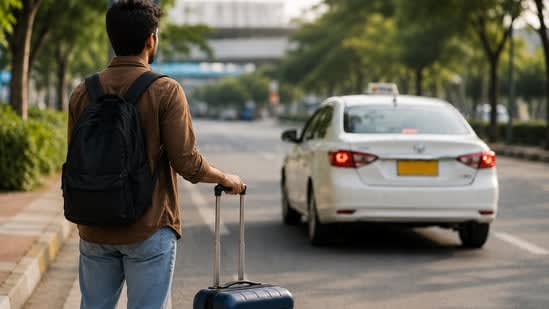
An X user alleged an Uber driver accepted an airport booking but refused to complete the trip after pickup.
Analysis of Ride-Sharing Service Failures: The Uber Airport Incident
The Core Incident and Immediate Impact
Recent reports from social media, specifically X, have highlighted a distressing encounter between a traveler and an Uber driver. According to the user, the driver accepted a booking destined for the airport but, after the passenger had already entered the vehicle, refused to complete the trip. This specific failure in service is particularly critical given the nature of the destination; airport trips are time-sensitive and high-stakes, where a delay of even a few minutes can result in a missed flight and significant financial loss for the traveler.
The Friction of the Gig Economy Model
This incident underscores a recurring tension within the gig economy business model. Ride-sharing platforms like Uber rely on independent contractors who have the autonomy to accept or decline rides. However, a breakdown occurs when the 'acceptance' of a ride does not translate into the 'execution' of the service. When a driver refuses a trip after pickup, it moves beyond a simple cancellation and becomes a breach of the implicit service agreement. This behavior often stems from drivers realizing the trip may be less profitable than expected due to traffic, distance, or destination preferences, yet implementing these decisions after pickup creates an unacceptable risk for the consumer.
Platform Accountability and Algorithmic Gaps
From a systemic perspective, this event reveals gaps in how ride-sharing platforms manage quality control. While Uber utilizes rating systems and automated dispatch, these tools are often reactive rather than proactive. The platform's algorithm confirms that a driver has arrived and a trip has started, but it cannot monitor the driver's willingness to complete the journey in real-time. The traveler's question—"Why accept the ride in the first place?"—points to a failure in the incentive structure, where drivers may accept rides to maintain their acceptance rates or avoid penalties, only to reject the trip once the passenger is already onboard.
Consumer Trust and the Reliability Crisis
For the broader consumer base, such incidents erode trust in app-based transportation, especially for critical logistics. The reliance on a third-party platform introduces a layer of uncertainty that traditional taxi services, which are often more strictly regulated in terms of trip completion, historically avoided. When users experience a refusal after pickup, the psychological stress is compounded by the feeling of helplessness, as they are physically inside a vehicle that is no longer serving its intended purpose, wasting precious time during a time-critical window.
Future Implications and Necessary Reforms
Looking forward, this incident suggests a need for more stringent penalties for 'post-pickup refusals.' To maintain the integrity of the marketplace, platforms may need to implement stricter verification steps or higher penalties for drivers who abandon trips after the passenger is in the car. We can predict a trend toward more integrated 'guaranteed trip' features for airport bookings, perhaps involving higher base fares for drivers in exchange for a contractual obligation to complete the journey.
Conclusion
Ultimately, the viral complaint on X serves as a microcosm of the volatility inherent in the ride-sharing industry. While the convenience of the technology is undeniable, the human element remains a point of failure. For Uber and similar entities, resolving the gap between booking acceptance and trip completion is essential to ensuring that the platform remains a viable option for high-stakes travel.
Verification Required?