UK begins trials of Ebola vaccine developed in just eight weeks
Source Entity
BBC News
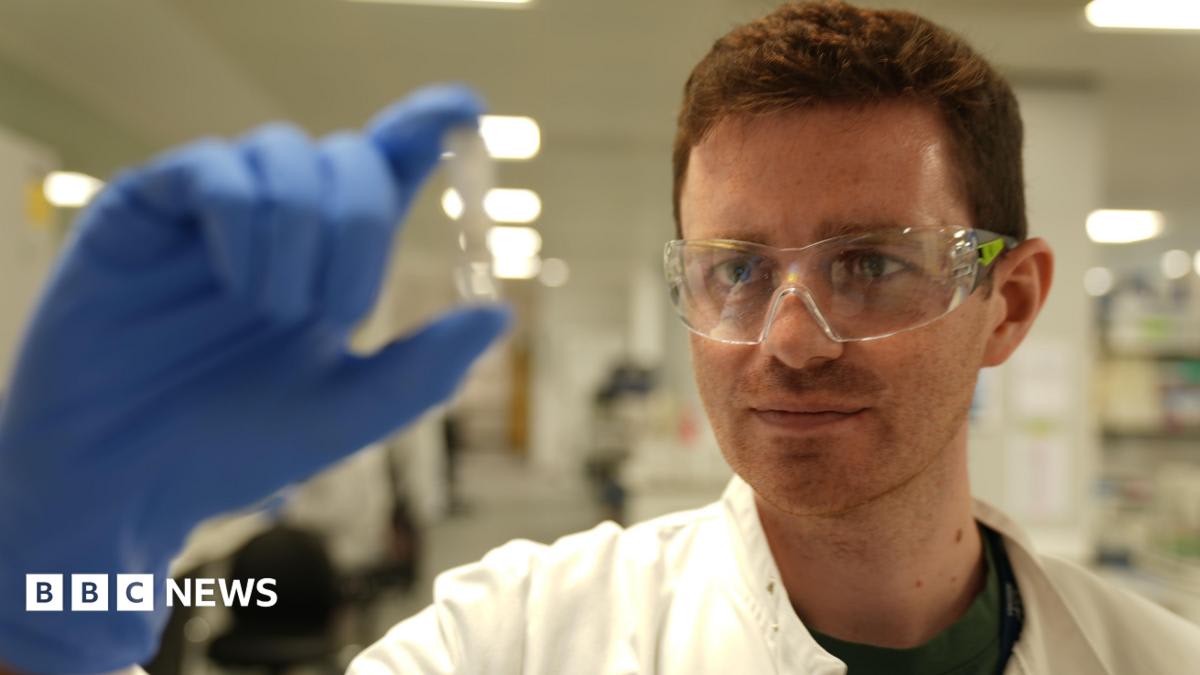
The UK medicines regulator has given approval for an experimental vaccine to be tested on healthy adults.
UK Accelerates Pandemic Preparedness: Rapid Ebola Vaccine Trials
In a significant milestone for global health security, the UK medicines regulator has granted approval for the clinical testing of an experimental Ebola vaccine in healthy adults. The most striking aspect of this development is the timeline: the vaccine was engineered in just eight weeks. This rapid turnaround represents a paradigm shift in how the scientific community approaches highly lethal pathogens, moving away from traditional, multi-year development cycles toward a more agile, platform-based approach.
A Revolution in Vaccine Engineering
Historically, vaccine development was a laborious process involving the cultivation of weakened or inactivated viruses, which could take years to refine. The ability to produce an Ebola candidate in two months strongly suggests the use of modern platform technologies, such as mRNA or viral vector systems. By utilizing the genetic sequence of the virus rather than the virus itself, researchers can 'plug and play' new genetic data into an existing delivery mechanism. This breakthrough means that the time between the identification of a new viral strain and the start of human trials can be reduced from years to weeks, which is critical when dealing with a virus as aggressive as Ebola.
The Critical Need for Ebola Containment
Ebola Virus Disease (EVD) is characterized by severe hemorrhagic fever and has historically maintained a high fatality rate, often reaching 50% to 90% in previous outbreaks. The volatility of the virus and its ability to cause rapid systemic failure make it a priority for global health organizations. By developing a vaccine that can be deployed quickly, the UK is addressing the 'window of vulnerability'—the period during an initial outbreak where the lack of medical countermeasures allows a local cluster to escalate into a regional or global crisis. The speed of this development is not merely a scientific achievement but a strategic necessity for preventing future pandemics.
Regulatory Agility and Public Safety
The approval by the UK medicines regulator underscores a shift toward 'adaptive regulation.' While safety remains paramount, the regulator's willingness to approve trials for a vaccine developed in eight weeks indicates a streamlined process designed for emergency contexts. This suggests a sophisticated framework where preclinical data is reviewed in real-time, allowing for a faster transition to Phase I trials. This regulatory agility is essential for the modern era of biotechnology, where the speed of the lab often outpaces the speed of the law, requiring a symbiotic relationship between scientists and government overseers.
Implications for 'Disease X' and Future Threats
Beyond the specific threat of Ebola, this development serves as a blueprint for combating 'Disease X'—the hypothetical, unknown pathogen that could trigger the next pandemic. The ability to rapidly prototype a vaccine suggests that the world is moving toward a state of permanent readiness. If this model is successful in the Ebola trials, it can be applied to other emerging zoonotic diseases or mutated strains of existing viruses. The focus is shifting from reacting to specific diseases to building a versatile infrastructure capable of responding to any biological threat regardless of its origin.
Conclusion
The UK's move to trial a vaccine developed in just eight weeks is a landmark event in medical science. By combining cutting-edge genetic engineering with an agile regulatory environment, the UK is positioning itself at the forefront of the battle against high-consequence pathogens. While the vaccine must still undergo rigorous testing to prove efficacy and safety, the mere existence of such a rapid development pipeline provides a vital layer of protection for global health, potentially saving countless lives in the event of a future Ebola surge.