These underperforming trades could yield big returns over next six months
Source Entity
US Top News and Analysis
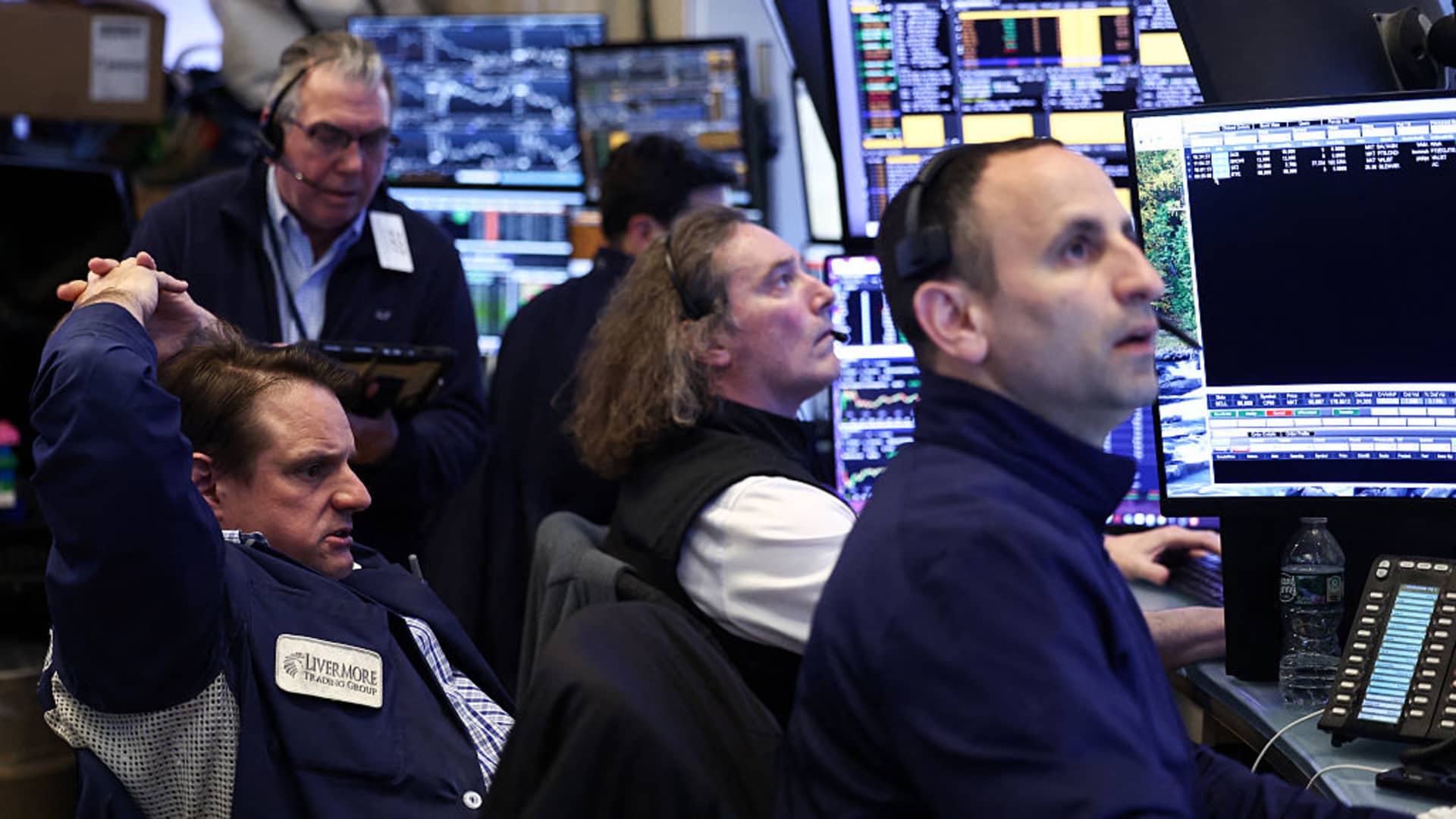
ETF Action's Mike Akins is encouraging investors to boost exposure to groups that underperformed compared with major artificial intelligence stocks.
The Shift Toward Market Rotation
The current financial landscape is characterized by an unprecedented concentration of wealth and growth within the artificial intelligence sector. As the "AI trade" continues to dominate headlines and portfolios, a significant gap has emerged between a handful of high-flying tech giants and the rest of the market. Mike Akins of ETF Action is now highlighting a strategic opportunity: pivoting toward these underperforming areas. This approach suggests that the market may be primed for a rotation, where investors seek value in sectors that have been overlooked while AI valuations reached premium levels.
The Phenomenon of Market Divergence
For several quarters, the S&P 500 has been propelled primarily by a small group of mega-cap tech stocks and semiconductor leaders. This concentration has created a skewed perception of market health, where the broad index appears strong, but the "equal-weighted" index often lags. Historically, when a single theme—like AI—drives the majority of market gains, it creates a vacuum in other sectors. By focusing on trades that have underperformed, Akins is essentially betting on a return to equilibrium, suggesting that the disparity between AI leaders and the broader market has become unsustainable.
Strategic Rotation and Mean Reversion
Understanding the Logic
The core of Akins' recommendation rests on the principle of mean reversion. In financial theory, assets that have significantly underperformed their historical averages or their peers often become attractive once their valuations drop to a certain threshold. By boosting exposure to these groups, investors are effectively "buying low." This strategy is particularly relevant now as the market begins to question whether AI earnings can continue to grow at an exponential rate. If the AI rally plateaus, capital is likely to flow into "value" sectors—such as industrials, healthcare, or small-cap stocks—that offer more reasonable price-to-earnings ratios.
Identifying Potential Beneficiaries
While the provided context does not list specific ETFs, the "underperforming groups" typically include sectors that do not have a direct, immediate link to GPU production or Large Language Model (LLM) development. This could include traditional energy, consumer staples, or real estate—sectors that have struggled under the weight of high interest rates and the allure of high-growth tech. As the macroeconomic environment shifts, particularly if the Federal Reserve pivots toward rate cuts, these interest-rate-sensitive sectors could see a resurgence, providing the "big returns" Akins predicts over the next six months.
The Risk of the Value Trap
However, shifting away from AI is not without risk. Investors must distinguish between a "temporary underperformer" and a "value trap"—a company or sector that is cheap because its fundamental business model is failing. The challenge for investors following Akins' advice is to ensure that the underperforming trades have a catalyst for recovery. Without a clear trigger—such as a change in monetary policy or a cyclical upturn in demand—these stocks could continue to lag even as the broader market remains buoyant.
Future Outlook: The Next Six Months
Looking forward, the next two quarters will likely be a testing ground for this rotation thesis. If corporate earnings show that AI productivity gains are starting to benefit non-tech companies (e.g., a logistics company using AI to cut costs), the "underperformers" could become the new leaders. We are likely to see a transition from "AI infrastructure" (the chips and clouds) to "AI implementation" (the users of the tech), which would naturally shift capital from the AI giants to the broader market groups Akins is encouraging investors to explore.
Conclusion
In summary, Mike Akins' advice represents a classic contrarian play in a market obsessed with a single narrative. By diversifying away from the AI-heavy concentration and targeting sectors that have lagged, investors can hedge against a potential AI correction while positioning themselves for a broader market recovery. The next six months will determine if the market is ready to move past the hype of artificial intelligence and reward the fundamental value of the wider economy.