US-Iran tensions soar: Fresh strikes on Qeshm Island as Hormuz status remains at odds
Source Entity
The Indian Express
The Express Global Desk at indianexpress.com which delivers authoritative, verified, and context-driven coverage of key international developments shaping global politics, policy, and migration trends...
Escalation in the Gulf: Analyzing the Strikes on Qeshm Island
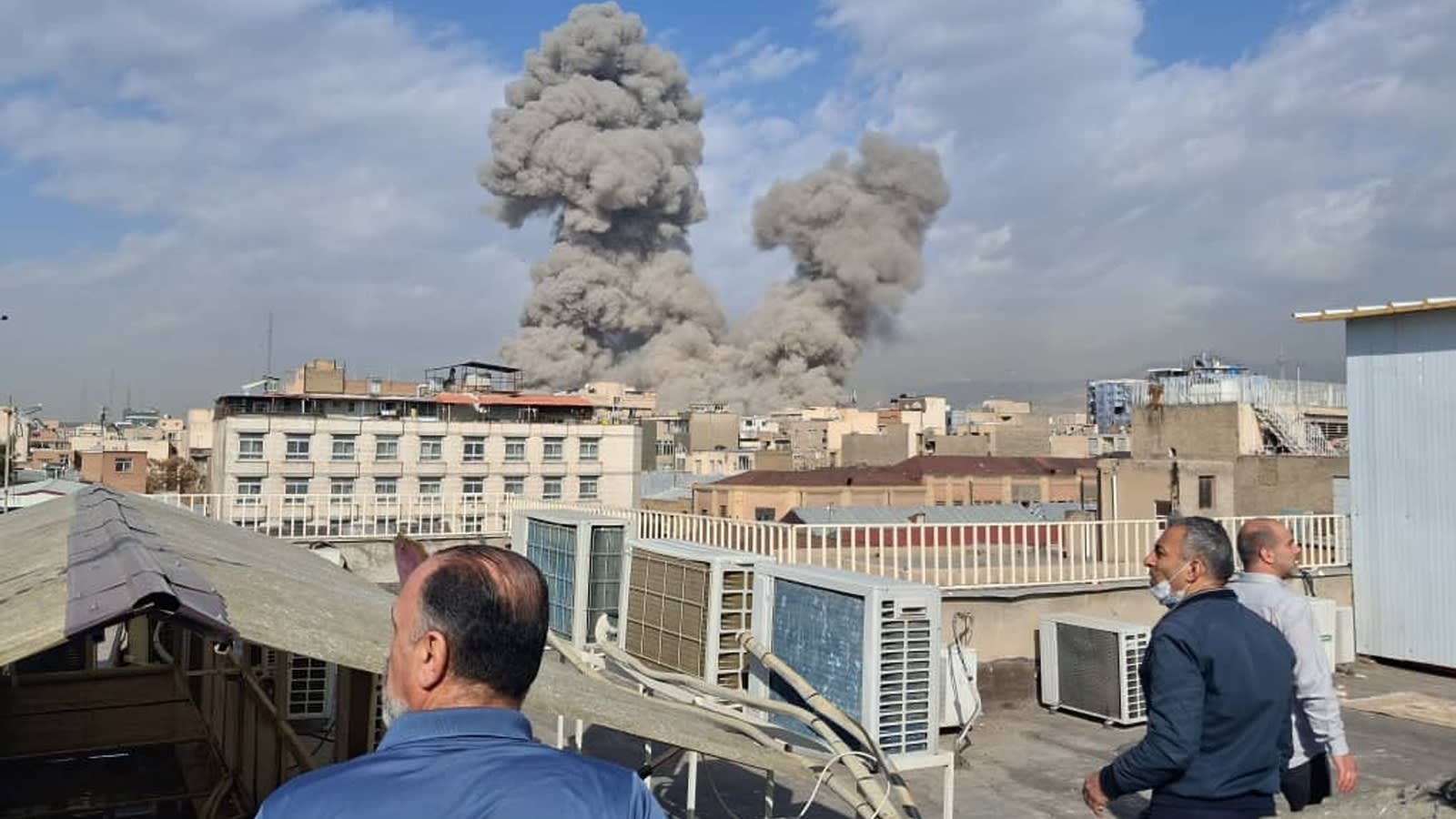
The recent reports of fresh strikes on Qeshm Island signal a dangerous escalation in the long-standing geopolitical rivalry between the United States and Iran. Qeshm Island, situated strategically within the Persian Gulf, serves as a critical outpost for Iranian maritime and military operations. The occurrence of strikes in this specific location suggests a shift from indirect proxy confrontations to more direct kinetic actions, heightening the risk of a full-scale military confrontation in one of the world's most volatile regions.
The Strategic Significance of Qeshm and the Strait of Hormuz
To understand the gravity of these strikes, one must analyze the geography of the region. Qeshm Island sits adjacent to the Strait of Hormuz, the world's most important oil transit chokepoint. A significant portion of the global supply of petroleum passes through this narrow waterway. By targeting or contesting the status of Qeshm, the conflict moves beyond mere political rhetoric into a direct challenge of territorial control and operational capabilities. The 'at odds' status of the Hormuz region mentioned in the reports refers to the fundamental disagreement between the U.S. doctrine of 'Freedom of Navigation' and Iran's assertions of regional sovereignty and its ability to restrict access to the Strait during times of conflict.
Historical Context of US-Iran Friction
The current volatility is not an isolated incident but the culmination of decades of mutual distrust, sanctions, and failed diplomatic overtures. From the fallout of the 1979 revolution to the collapse of the Joint Comprehensive Plan of Action (JCPOA), the relationship has been characterized by a cycle of escalation and tentative de-escalation. These fresh strikes on Qeshm Island likely represent a response to perceived provocations or a strategic attempt to signal resolve. Historically, such strikes are often used as 'calibrated' messages intended to force the opponent back to the negotiating table or to degrade the adversary's ability to project power in the Gulf.
Economic Implications and Global Energy Security
The immediate ripple effects of instability on Qeshm Island are felt most acutely in the global energy markets. Because the Strait of Hormuz is so vital, any perceived threat to its stability leads to an immediate spike in oil futures and increased shipping insurance premiums. Global markets react nervously to the possibility of a blockade or sustained combat operations in the area. If the 'status' of the Hormuz region remains contested and violent, it could lead to a systemic energy crisis, affecting not only Western economies but also Asian powers like China and India, which rely heavily on Middle Eastern crude.
Regional Dynamics and the Risk of Miscalculation
Beyond the two primary antagonists, the strikes on Qeshm Island place neighboring Gulf Cooperation Council (GCC) states in a precarious position. Countries like Saudi Arabia and the UAE must balance their security partnerships with the U.S. against the risk of being caught in the crossfire of a US-Iran war. The danger here is the 'spiral effect,' where a tactical strike on a military target is misinterpreted as a strategic shift toward total war, leading to retaliatory strikes that neither side can easily walk back. The lack of direct diplomatic channels between Washington and Tehran further increases the likelihood of such catastrophic miscalculations.
Future Outlook and Potential Trajectories
Looking forward, the trajectory of this crisis will likely depend on whether these strikes are viewed as a one-off deterrent or the beginning of a new campaign. If the U.S. continues to challenge Iranian assets on Qeshm, we can expect Iran to respond through its network of regional proxies or by increasing harassment of commercial shipping in the Strait. Conversely, if both parties utilize this escalation as a catalyst for a new diplomatic framework, the tension may subside. However, given the current political climates in both nations, the more likely short-term trend is one of 'managed instability,' where low-level kinetic exchanges continue without triggering a general war.
Summary
In conclusion, the strikes on Qeshm Island are a stark reminder of the fragility of peace in the Persian Gulf. By intertwining territorial disputes on Qeshm with the broader strategic battle for control over the Strait of Hormuz, the U.S. and Iran are playing a high-stakes game of brinkmanship. The intersection of military strategy, global energy dependence, and historical enmity ensures that any spark in this region has the potential to ignite a global economic and political firestorm.