Fitness influencer Vanshika Khurana shares creamy shahi paneer recipe loaded with 31g protein per serving
Source Entity
Latest News: Today's Latest News Headlines from India & World | Hindustan Times | Hindustan Times
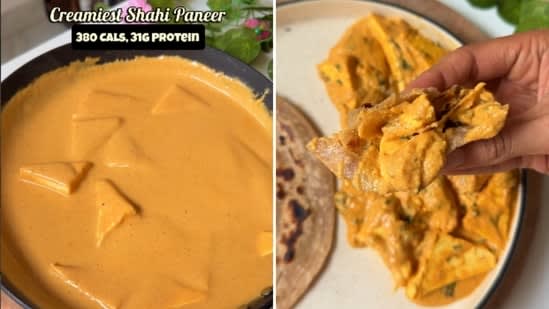
The shahi paneer recipe by Vanshika Khurana is low in calorie and rich in protein, making it the perfect healthy and indulgent dish.
Redefining Traditional Comfort: The High-Protein Shahi Paneer Evolution
In a recent move to bridge the gap between traditional culinary indulgence and modern nutritional requirements, fitness influencer Vanshika Khurana has unveiled a specialized recipe for Shahi Paneer. The dish, traditionally known for its rich, creamy, and calorie-dense profile, has been reimagined to provide 31g of protein per serving while maintaining a low-calorie count. This initiative highlights a growing trend in the health and wellness community where 'macro-friendly' versions of cultural staples are developed to help individuals maintain their dietary goals without sacrificing the flavors of their heritage.
The Nutritional Science of Protein-Rich Swaps
The core appeal of Khurana's recipe lies in its protein density. For individuals engaged in strength training or weight management, achieving a high protein intake—especially within a vegetarian framework—can be challenging. By optimizing the protein-to-calorie ratio, this version of Shahi Paneer transforms a typically 'cheat meal' into a functional fitness meal. The inclusion of 31g of protein per serving is significant, as it aligns with the requirements for muscle repair and satiety, potentially replacing heavier cream-based fats with leaner protein sources or healthier alternatives to achieve the signature 'creamy' texture.
The Influence of Digital Wellness Creators
This recipe release underscores the pivotal role that fitness influencers like Vanshika Khurana play in the modern health landscape. By utilizing social media to share accessible, nutrient-dense modifications of popular dishes, these creators act as intermediaries between complex nutritional science and everyday eating habits. This approach democratizes health information, making the concept of 'macros' (macronutrients) less intimidating for the general public and encouraging a sustainable relationship with food that avoids the restrictive nature of traditional dieting.
Cultural Context and Culinary Innovation
Historically, Shahi Paneer—a royal dish from North India—was designed for luxury, utilizing heavy cream, butter, and nuts. However, the modern shift toward combating lifestyle diseases such as obesity and diabetes has necessitated a culinary evolution. Khurana's approach represents a broader movement of 'healthy hacking,' where the essence of a dish is preserved while the caloric load is reduced. This evolution is critical for preserving cultural food identities in an era where health-conscious consumers might otherwise abandon traditional recipes entirely in favor of bland, processed health foods.
Broader Implications for Dietary Trends
The success of such high-protein, low-calorie adaptations suggests a future where personalized nutrition becomes the norm. We are likely to see an increase in 'hybrid recipes' that cater to specific fitness goals—such as ketogenic, vegan, or high-protein variants of global cuisines. As consumers become more literate in reading nutritional labels and understanding protein requirements, the demand for indulgent yet healthy options will drive further innovation in the home-cooking and restaurant sectors.
Conclusion
Vanshika Khurana's high-protein Shahi Paneer is more than just a recipe; it is a reflection of the current intersection between fitness, culture, and digital influence. By delivering a dish that offers 31g of protein without the traditional caloric burden, she provides a practical tool for those seeking a balanced lifestyle. This trend of reimagining classic comfort foods ensures that health and taste are no longer mutually exclusive, paving the way for a more sustainable and enjoyable approach to wellness.
Verification Required?