Chef Vikas Khanna puts Indore's iconic bhutte ka kees on global map with special menu at New York restaurant Bungalow
Source Entity
Latest News: Today's Latest News Headlines from India & World | Hindustan Times | Hindustan Times
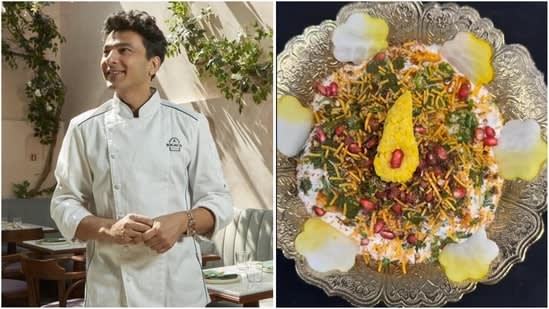
Chef Vikas Khanna's latest menu at New York's Bungalow celebrates Indore's street food with classics like Bhutte Ka Kees and flavours inspired by Sarafa market.
Elevating Regionality: Vikas Khanna's Culinary Bridge from Indore to New York
In a significant move for global gastronomy, Michelin-starred chef Vikas Khanna has integrated the rustic, vibrant flavors of Indore, Madhya Pradesh, into the sophisticated dining scene of New York City. By introducing a special menu at his restaurant, Bungalow, Khanna is not merely serving food but is acting as a cultural ambassador. The centerpiece of this initiative is the inclusion of Bhutte Ka Kees, a beloved street food staple, alongside other inspirations drawn from the legendary Sarafa market. This strategic move highlights a growing trend in the culinary world: the transition from generic 'national' cuisines to hyper-regional storytelling.
The Significance of Bhutte Ka Kees and the Malwa Influence
Bhutte Ka Kees is more than just a dish; it is a culinary symbol of the Malwa region. Made from grated corn cooked with milk and tempered with mustard seeds, curry leaves, and green chilies, it represents the agricultural heartland of Indore. By placing this humble street snack on a high-end menu in New York, Chef Khanna is challenging the traditional hierarchy of fine dining. He is asserting that the complexity and emotional resonance of street food are equal to the technical rigor of haute cuisine, thereby validating the gastronomic heritage of central India on a global stage.
Sarafa Market: From Jewelry Hub to Gourmet Inspiration
The inspiration for this menu stems from the Sarafa market, a unique urban phenomenon in Indore where jewelry shops transform into a bustling street food paradise after dark. This duality of luxury (gold and diamonds) and accessibility (street food) is mirrored in the concept of Bungalow, where the raw, authentic energy of an Indian night market is refined for a cosmopolitan New York audience. The flavors of Sarafa—known for their boldness and variety—provide a rich palette for Khanna to experiment with, ensuring that the essence of Indore's nocturnal food culture is preserved even in a different hemisphere.
The Shift Toward Hyper-Regionalism in Global Dining
Historically, Indian cuisine in the West was often reduced to a few standardized dishes like Butter Chicken or Palak Paneer. However, Khanna's focus on Indore signifies a broader shift toward hyper-regionalism. Today's global diners are seeking authenticity and specific narratives rather than homogenized experiences. By showcasing the specific tastes of Indore, Khanna is educating the international community on the vast diversity within India, proving that each city and state possesses a distinct culinary identity that deserves individual recognition.
Strategic Impact on New York's Culinary Landscape
New York City, as a global melting pot, is the ideal venue for such an experiment. The introduction of Indore's street food at Bungalow creates a dialogue between the traditional and the modern. It attracts not only the South Asian diaspora, longing for a taste of home, but also adventurous gourmands looking for the 'next big thing' in flavor profiles. This cross-pollination of cultures enhances the city's culinary diversity and positions Indian regional food as a luxury commodity, capable of commanding attention in one of the world's most competitive food markets.
Future Trends: The Globalization of Street Food
Looking ahead, this event predicts a future where more regional Indian cities will see their local delicacies enter the global luxury circuit. We can expect a ripple effect where other chefs begin to explore the depths of cities like Lucknow, Hyderabad, or Kochi with the same rigor Khanna has applied to Indore. This trend will likely lead to an increase in 'culinary tourism,' where diners travel to the source cities to experience the original versions of the dishes they encountered in global capitals.
Conclusion
Chef Vikas Khanna's tribute to Indore at Bungalow is a masterclass in cultural curation. By elevating Bhutte Ka Kees and the spirit of Sarafa market to the streets of New York, he has successfully bridged the gap between the humble street vendor and the Michelin-starred kitchen. This initiative not only promotes the city of Indore but also redefines how the world perceives and consumes Indian regional heritage.
Verification Required?