From high heels to oversized handbags: Dr Ashis Acharya explains what's silently hurting women's back and bone health
Source Entity
Latest News: Today's Latest News Headlines from India & World | Hindustan Times | Hindustan Times
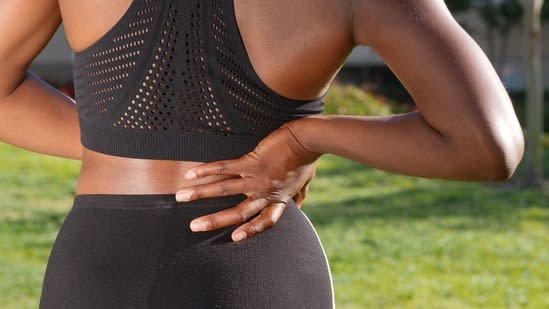
High heels aren't the only culprit. Here are a few daily habits that can damage women's spines and bones.
The Hidden Toll of Fashion on Women's Spinal Health
In a recent health advisory, Dr. Ashis Acharya has brought critical attention to the "silent" dangers posed by everyday fashion choices and habits that disproportionately affect women's musculoskeletal systems. While often dismissed as mere aesthetic preferences, the use of high heels and the reliance on oversized handbags are identified as significant contributors to chronic back pain and long-term bone degradation. This analysis delves into the physiological impact of these habits and the broader health implications for women.
The Biomechanics of High Heels
Dr. Acharya highlights that high heels do far more than change a person's height; they fundamentally alter the body's center of gravity. When wearing heels, the weight of the body is shifted forward onto the balls of the feet, forcing the spine to compensate to maintain balance. This typically results in an exaggerated inward curve of the lower back, known as lumbar hyperlordosis. Over time, this misalignment puts excessive pressure on the lumbar vertebrae and the surrounding ligaments, which can lead to chronic lower back pain and an increased risk of degenerative disc disease. The constant tension in the calf muscles and the unnatural angle of the ankle also create a ripple effect of instability that travels up the kinetic chain to the hips and spine.
The Asymmetrical Burden of Oversized Handbags
Beyond footwear, the prevalence of oversized handbags is flagged as a major ergonomic hazard. Carrying a heavy bag on one shoulder creates an asymmetrical load on the body, forcing the muscles on one side of the neck and shoulder to overwork to keep the bag in place. This imbalance often leads to a tilt in the spine and can cause myofascial pain syndrome or chronic tension headaches. Dr. Acharya's warning underscores that the cumulative weight of these bags—often containing laptops, tablets, and various essentials—can lead to permanent postural changes, such as a rounded shoulder or a lateral curvature of the spine, which complicates bone health as women age.
Long-term Implications for Bone and Joint Integrity
The intersection of these habits creates a compounding effect on bone density and joint integrity. For women, who are already more susceptible to osteoporosis and bone loss post-menopause, adding mechanical stress to the spine can accelerate the onset of mobility issues. When the spine is consistently misaligned due to heels and heavy bags, the distribution of weight across the vertebrae becomes uneven. This uneven wear and tear can lead to the premature development of osteoarthritis in the facet joints of the spine, making simple daily movements painful and restrictive.
Balancing Aesthetics with Ergonomic Wellness
This health warning serves as a broader critique of how modern fashion trends often clash with biological requirements. The societal pressure to adhere to certain style standards frequently outweighs the awareness of ergonomic health. Dr. Acharya’s insights suggest a need for a paradigm shift toward "functional fashion," where the health of the skeletal system is prioritized. This includes incorporating supportive footwear and switching to ergonomically designed bags—such as backpacks or crossbody bags—that distribute weight evenly across both shoulders to mitigate the risk of spinal deviation.
Conclusion
Ultimately, the warnings provided by Dr. Ashis Acharya emphasize that bone health is not merely a result of nutrition and exercise, but also of the physical stresses we place on our bodies daily. By recognizing the damage caused by high heels and oversized handbags, women can take proactive steps to modify their habits. Prioritizing spinal alignment and reducing asymmetrical loads is essential for maintaining long-term mobility and preventing chronic musculoskeletal disorders.
Verification Required?