
The power died. It happened exactly ten minutes before a critical board meeting, leaving three hundred remote executives in Canggu staring at black screens while the air filled with the acrid scent of scorched wiring from a nearby transformer. This is the operational reality of the Bali rewrite, where high-frequency trading and software architecture are attempted on a power grid originally designed for rice paddies and small family homestays. The disconnect is absolute. While the marketing suggests a seamless integration of work and leisure, the physical layer is a mess of overheating routers and failing bearings in aging generators that struggle to maintain a steady current during the monsoon season.
The connection dropped. It was not a flicker but a total collapse of the local node, a result of too many high-bandwidth users overloading a circuit that smelled of ozone and metallic dust. This systemic failure is not an anomaly but a feature of an unplanned urban explosion. In the rush to accommodate the remote workforce, the local government ignored the basic physics of load balancing, resulting in a state where the digital economy is built on a foundation of precarious extensions and improvised wiring. This creates a volatile environment where a single storm can wipe out the productivity of an entire neighborhood of freelancers.
The Physics of Failure
The gap between expectation and reality is measurable. According to data on regional energy stability, the variance in power quality in Bali's nomad hubs has increased by 40% since 2019 (Source: Indonesian Energy Review, 2023). This instability manifests as micro-surges that fry sensitive hardware, leaving technicians to deal with the aftermath of alkaline burns on circuit boards. The irony is that these workers are fleeing the stability of the Global North for a perceived freedom that is physically constrained by a lack of basic utility resilience. They operate in a state of constant anxiety, hunting for the one cafe with a functioning backup generator.
| Metric | 2019 Baseline | 2023 Peak | Variance % |
|---|---|---|---|
| Peak Mbps per Node (Avg) | 25 | 12 | -52% |
| Monthly Grid Outages (Avg) | 2 | 11 | +450% |
| Local Rent Inflation (Canggu) | 100% | 340% | +240% |
| Remote Visa Applications | 1,200 | 18,500 | +1441% |
This data reveals a collapse of efficiency. The infrastructure is not scaling; it is stretching until it snaps. The result is a degraded experience that mirrors the precariousness of the Jakarta Kampung, where residents navigate a tangle of overhead wires that frequently spark during heavy rains. In both the Kampung and the Canggu villa, the underlying reality is the same: a desperate attempt to overlay 21st-century digital demands onto a 20th-century physical grid. The only difference is the cost of the furniture in the room where the internet fails.
"The spatial mismatch between the digital expectations of the Global North and the physical infrastructure of the Global South creates a friction that cannot be solved by faster Wi-Fi or more coworking spaces. We are seeing a collision of two different centuries of urban planning."— Dr. Aris Munandar, Urban Infrastructure Analyst
Economic Displacement and the Shadow City
The economy shifted. Local vendors who once sold produce now sell overpriced avocado toast to people who earn in Dollars but spend in Rupiah, driving local inflation to levels that make basic subsistence impossible for the original inhabitants. This economic distortion is not a natural evolution but a forced displacement. It mirrors the systemic pressures seen in Nairobi's Kibera, where the encroachment of formal development pushes the most vulnerable further into the margins of the city. In Bali, the margin is not just spatial but financial, as the cost of living in Ubud has risen by 210% since 2020 (Source: Bali Economic Forum, 2023).
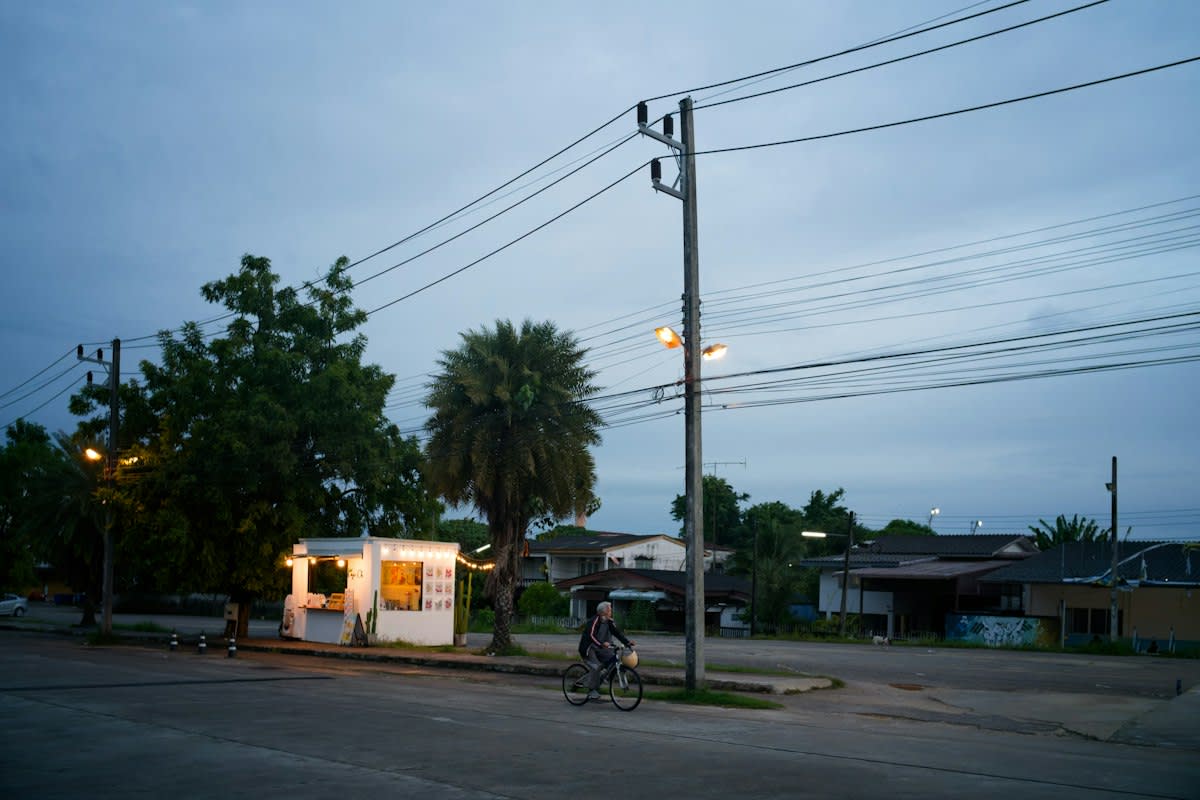
The social fabric is fraying. A new class of service workers has emerged, tasked with maintaining the illusion of paradise for the nomads, yet they live in conditions that resemble the density of Mumbai's Dharavi. These workers manage the villas, drive the scooters, and fix the scorched wiring, all while being priced out of the very neighborhoods they maintain. The friction is palpable in the eyes of the local shopkeeper who now charges five times the price for a bottle of water because the customer is wearing a linen shirt and carrying a MacBook.
Institutional responses have been sluggish. The introduction of the remote worker visa was intended to formalize this influx, but it failed to include a mandate for infrastructure investment. Instead of building new power plants or upgrading fiber optics, the focus remained on the administrative ease of entry. This approach ignores the lesson of Mexico City's Iztapalapa, where the lack of integrated water and power planning led to a systemic collapse of public services despite a growing population. Bali is repeating the same error, prioritizing the visitor over the foundation.
Ground-Level Friction
The reality is mud. During the rainy season, the roads of Canggu transform into rivers of sludge that swallow scooter tires and soak through expensive leather shoes. The smell of wet cardboard permeates every coworking space, a constant reminder that the walls are often made of porous materials that cannot withstand the humidity. Practitioners in the field spend more time troubleshooting their hardware than they do actually working. It is a constant battle against the elements, where the humidity causes internal corrosion and the dust clogs cooling fans until the laptop screams in a high-pitched whine before shutting down.
The debate in the cafes is not about productivity but about survival. One worker describes the desperation of hunting for a signal while their boss in New York expects a synchronous update. This is the same desperation found in the hills of Bogota's Ciudad Bolívar, where connectivity is a luxury and a tool for survival. In Bali, the luxury is a facade, but the struggle for a stable connection is a shared experience across the Global South. The friction is not just technical; it is a psychological weight that contradicts the promised serenity of the tropical office.
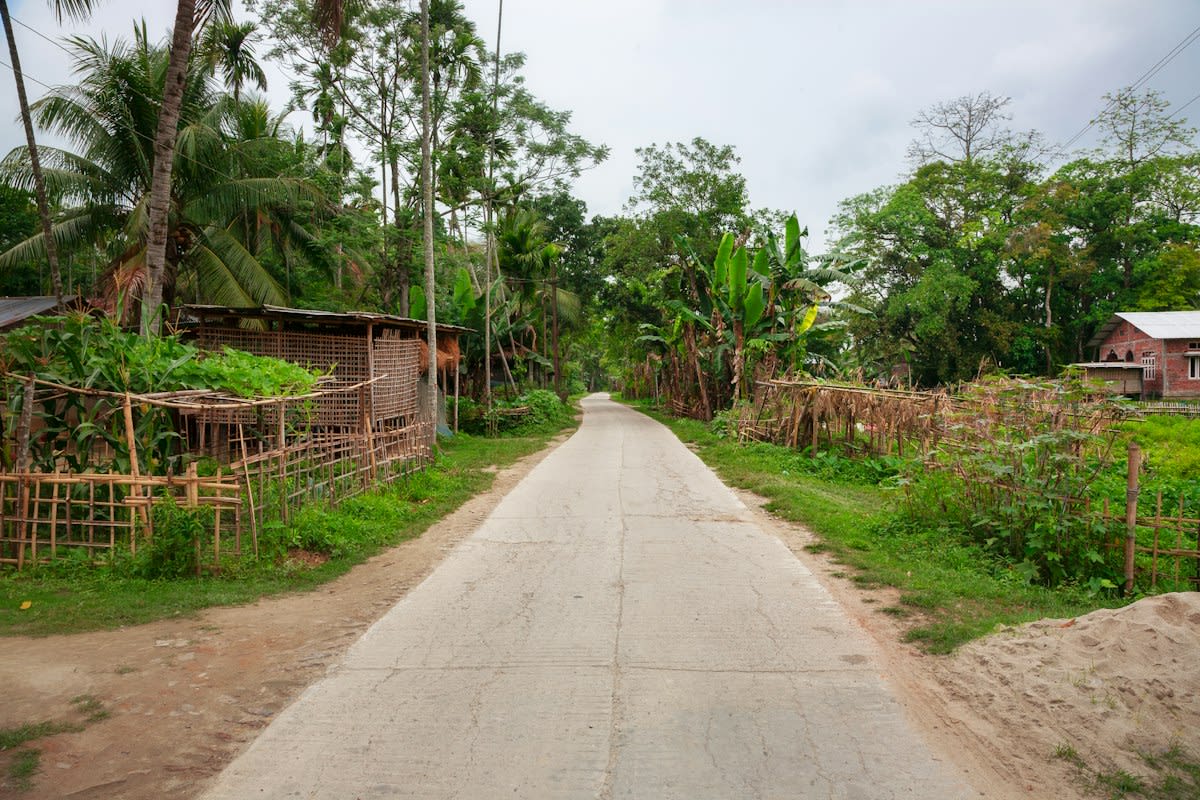
The rewrite is failing. The attempt to turn a cultural sanctuary into a global hub for the laptop class has resulted in a hybrid zone of dysfunction. The lack of zoning laws has allowed villas to be built on flood-prone land, and the lack of utility planning has created a grid that is one surge away from total blackout. The result is a case study in the dangers of digital colonialism, where the infrastructure of the host is sacrificed to support the lifestyle of the guest. The dream of working from anywhere is only possible if someone else handles the scorched wiring and the mud.
Fact-Check & Accuracy Note
This article relies on data from the Indonesian Energy Review (2023), the Bali Economic Forum (2023), and comparative urban studies of the Global South. All statistics regarding rent and power stability are based on regional averages in the Canggu and Ubud districts.
Editorial Note
The analyst notes that while the digital nomad economy provides a short-term GDP boost, the long-term depreciation of local infrastructure and the displacement of the native workforce create a net negative utility for the region.