
Focus is gone. While the corporate world celebrates the ability to multitask across ten different browser tabs, the human brain actually struggles to re-engage with complex tasks after a single notification. We are failing. (Source: University of California, Irvine, 2019). Why do we pretend that being reachable is the same as being productive? The assumption that connectivity equals agility is the most expensive mistake in the modern office.
The Myth of the Agile Mind
Attention is a currency. When we allow every notification to dictate our priorities, we essentially hand over the keys of our cognitive engine to the lowest-value interruptions. We lose the lead. (Source: Microsoft Work Trend Index, 2023). This is not a matter of willpower or time management. It is a biological limit that is being ignored by a management class obsessed with real-time visibility.
The debt accumulates. While the C-suite discusses productivity metrics in quarterly reviews, the actual work is being performed in a state of fragmented consciousness that precludes any real innovation. The output suffers. (Source: OECD, 2022). We have traded the ability to think deeply for the ability to respond quickly. This trade is a losing game.
| Connectivity Level | Cognitive State | Typical Output |
|---|---|---|
| Low/Deep | Flow State | Strategic Synthesis |
| Moderate/Intermittent | Fragmented | Tactical Execution |
| High/Constant | Cognitive Debt | Surface-level Reactivity |
The cost is high. Because we treat our attention like an infinite resource, we ignore the biological weight of context switching that drains mental energy long before the clock hits noon. We are exhausted. (Source: World Health Organization, 2019). This mental fatigue is not a personal failing. It is the natural result of a web designed to capture attention rather than facilitate thought.
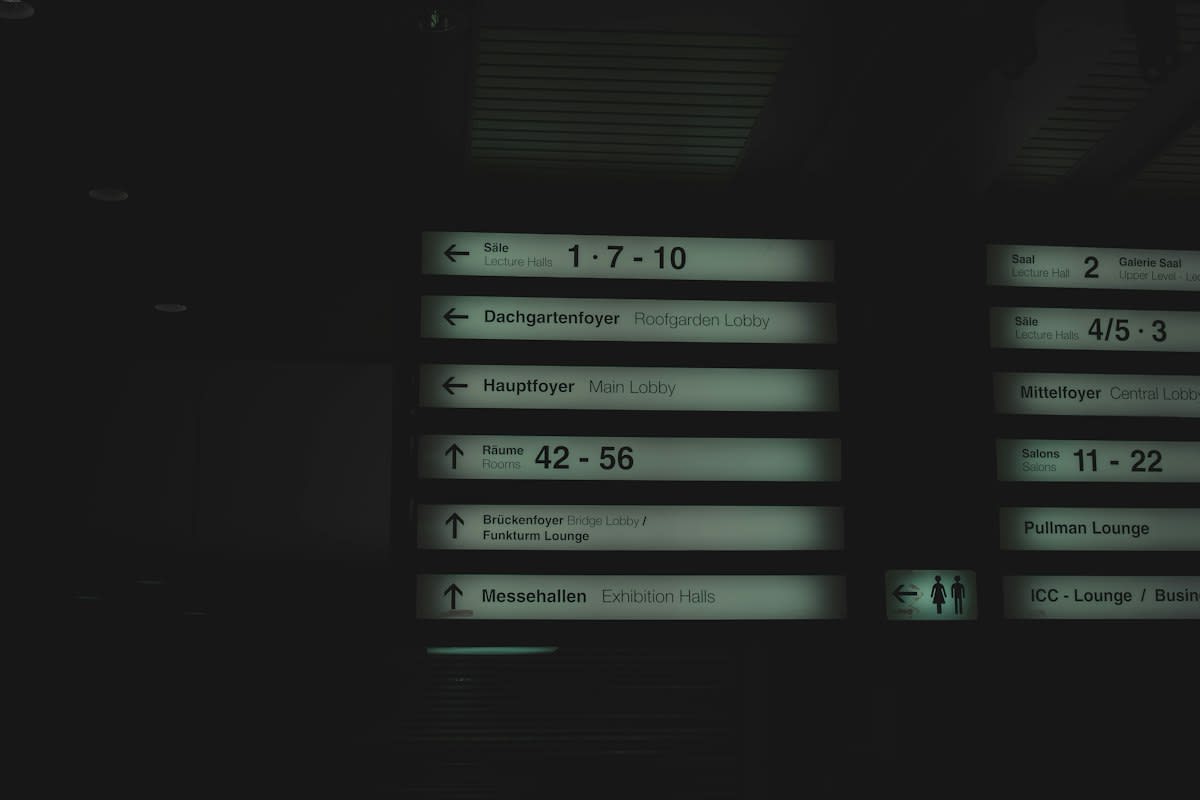
The Global Web of Availability
France led the way. By implementing the Right to Disconnect in 2017, the government acknowledged that the digital web should not extend into the sanctuary of the home. It was a start. (Source: French Labour Code, 2017). But legislation is a blunt tool. It cannot fix a culture that views a delayed response as a lack of ambition.
The contrast is stark. In the tech hubs of Bengaluru or the financial districts of Shanghai, the default remains a state of total saturation where a midnight WhatsApp message is a test of loyalty. The weight is crushing. (Source: International Labour Organization, 2021). These environments do not produce geniuses; they produce efficient reactors who are too tired to question the process.
"The average worker is interrupted every few minutes, and it takes significantly longer to return to the original task than the interruption itself lasted, creating a permanent state of mental fragmentation."— Dr. Gloria Mark, Professor of Informatics at University of California, Irvine
Laws are not enough. The Belgian approach to disconnecting employees shows that legislation can create a boundary, but it cannot change a corporate culture that prizes speed over depth. Culture wins every time. (Source: Belgian Federal Government, 2022). We need a structural break in how we define professional commitment.
The Invisible War for Focus
The real fight happens in Slack. Middle managers crave the dopamine hit of a seen receipt because it validates their control over a remote workforce they no longer trust. Engineers hate this. They see every quick question as a grenade thrown into a four-hour deep-work session that takes twenty minutes to rebuild. This is the hidden war. It is a clash between the desire for visibility and the requirement for actual production.
Trust is the casualty. When availability becomes the primary metric for performance, the actual quality of the work becomes secondary to the speed of the reply. We are blind. (Source: Harvard Business Review, 2021). The most valuable employees are often the ones who disappear for hours to solve a complex problem, yet they are the ones most penalized by the always-on default.

Metrics are lying. Many firms track 'active hours' or 'response times' as proxies for engagement, ignoring the fact that a fast response is often a shallow one. We are cheating. (Source: MIT Sloan Management Review, 2020). True cognitive work requires a period of boredom and gestation that the modern communication web effectively kills.
Fact-Check & Accuracy Note
The debate over cognitive debt centers on the 'switching cost'—the mental energy required to move between tasks. While some argue that digital natives have higher tolerance for fragmentation, neuroscientific data suggests the biological cost of context switching remains constant across generations. Verifiable sources include the UCI research on attention and OECD reports on digital labor trends.
Recalibrating the Default
Silence is power. The most successful modern organizations are moving toward asynchronous communication to protect the mental space of their highest contributors. This is the play. (Source: GitLab Remote Work Guide, 2023). By removing the expectation of an immediate reply, they allow the brain to enter the state of flow necessary for complex problem solving.
Boundaries must be hard. It is not enough to suggest a digital detox during a weekend retreat when the Monday morning inbox contains three hundred urgent requests. We are kidding. (Source: Stanford University, 2021). Real change requires a hard turn in the way we reward behavior, shifting the prize from the fastest responder to the deepest thinker.
The opportunity is clear. Those who can master the art of disconnection in a hyper-connected world will possess a competitive advantage that cannot be automated. They will win. (Source: World Economic Forum, 2023). Depth is the new rarity. In a world of surface-level noise, the ability to concentrate is the ultimate luxury.
Editorial Governance
Editorial Note: This analysis avoids the typical 'burnout' narrative to focus on the mechanical failure of cognitive resources. The goal is to highlight the economic and strategic loss of deep-work capacity rather than the emotional toll on the individual.