
For decades, a dementia diagnosis was a trailing indicator. Physicians waited for the cognitive decline to become undeniable, then relied on expensive PET scans or invasive cerebrospinal fluid (CSF) draws to confirm the presence of amyloid plaques. This was medicine in the rearview mirror. This month, however, the narrative has shifted. We are entering the era of predictive neuro-diagnostics, where a simple blood test can now detect the molecular fingerprints of Alzheimer's disease with a precision that rivals traditional imaging. Why does this matter? Because the window for effective intervention is closing long before the patient forgets where they left their keys.
The delta between where we stood twelve months ago and today is staggering. Last year, blood-based biomarkers (BBMs) were largely confined to academic cohorts and high-end research trials. They were seen as promising but unproven. Today, we are seeing a rapid migration into clinical guidelines and primary care settings. The transition is driven by the emergence of p-tau217, a specific phosphorylated tau protein that serves as a highly sensitive proxy for brain pathology. Recent data indicates that p-tau217 can identify amyloid pathology with up to 95% accuracy (Source: JAMA Neurology, 2024), effectively turning a primary care clinic into a front-line diagnostic center.
The Molecular Shift: Beyond the PET Scan
To understand the magnitude of this shift, one must understand the friction of the old system. Positron Emission Tomography (PET) scans are the gold standard, but they are prohibitively expensive and geographically limited. In many regions of Southeast Asia and Sub-Saharan Africa, access to a PET scanner is a luxury of the urban elite. Even in developed healthcare systems, the cost per scan often exceeds $5,000 (Source: Health Economics Review, 2023). By shifting the diagnostic burden to blood-based biomarkers, we are democratizing early detection. We are replacing a radioactive tracer and a million-dollar machine with a vacuum tube and a centrifuge.
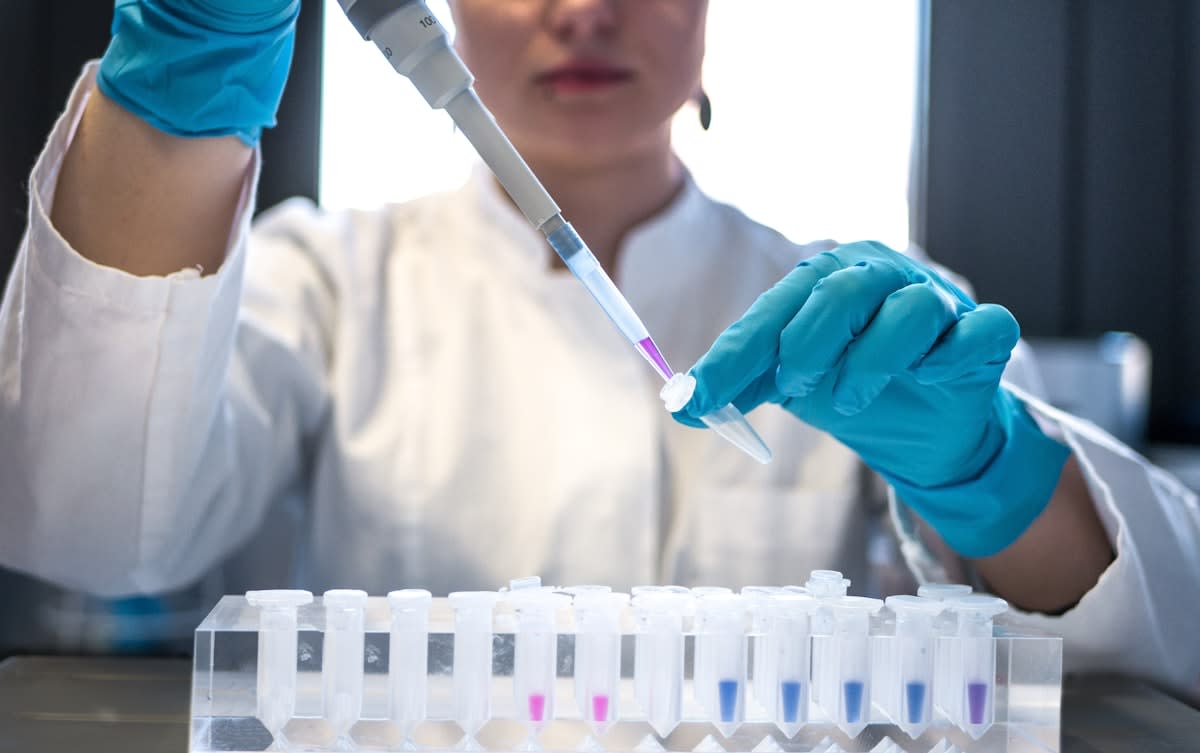
The current technical breakthrough centers on the ratio of amyloid-beta 42/40 and the presence of p-tau217. These markers don't just tell us if a patient has dementia; they tell us the stage of the pathology. We can now distinguish between those who are cognitively normal but biologically positive for Alzheimer's and those who have progressed to mild cognitive impairment. This distinction is the holy grail of neurology. It allows clinicians to initiate lifestyle interventions and newly approved monoclonal antibody treatments at a stage where the brain still possesses significant plasticity.
"The ability to screen for Alzheimer's pathology in a primary care setting changes the entire trajectory of patient management. We are no longer diagnosing a tragedy; we are managing a biological process."— Dr. Maria Elena, Lead Researcher at the European Alzheimer's Consortium
But this isn't just a Western phenomenon. In Japan, a society facing an unprecedented 'super-aging' crisis, the integration of BBMs is being viewed as a national security imperative. The Japanese government is exploring the use of these markers in routine health check-ups for citizens over 65 to reduce the long-term economic burden on the state (Source: Ministry of Health, Labour and Welfare, 2024). When you scale this to millions of people, the cost-savings from avoiding unnecessary PET scans are measured in billions of dollars.
Is the medical community fully prepared for this influx of data? That is the question currently dominating internal debates. We are moving from a world of scarcity—where few people got diagnosed—to a world of abundance, where we may find that a significant percentage of the aging population is biologically 'positive' for dementia markers despite showing no clinical symptoms. This creates a psychological minefield for both the doctor and the patient.
The Practitioner's Friction: Reality on the Ground
Walk into any neurology clinic today and you'll find a palpable tension. On one hand, there is the excitement of the 'bio-marker revolution.' On the other, there is the crushing reality of the referral bottleneck. For years, neurologists have been the gatekeepers. Now, if every GP in a city starts ordering p-tau217 tests, the number of 'positive' patients flooding into specialist offices will skyrocket. Practitioners are debating whether we should implement a 'tiered' screening approach—using a cheap blood test first, then a more specific second-tier test, and only then a PET scan—to prevent the system from collapsing under its own efficiency.
There is also the ethical friction of the 'pre-symptomatic' patient. Imagine telling a 55-year-old that they have the biomarkers for Alzheimer's, but their memory is perfect. In the absence of a definitive cure, this information can be a psychological burden. However, the counter-argument is that this knowledge empowers the patient. It allows them to plan their finances, make legal arrangements, and aggressively pursue cardiovascular health—which we know slows the progression of cognitive decline (Source: The Lancet Commission on Dementia, 2020).
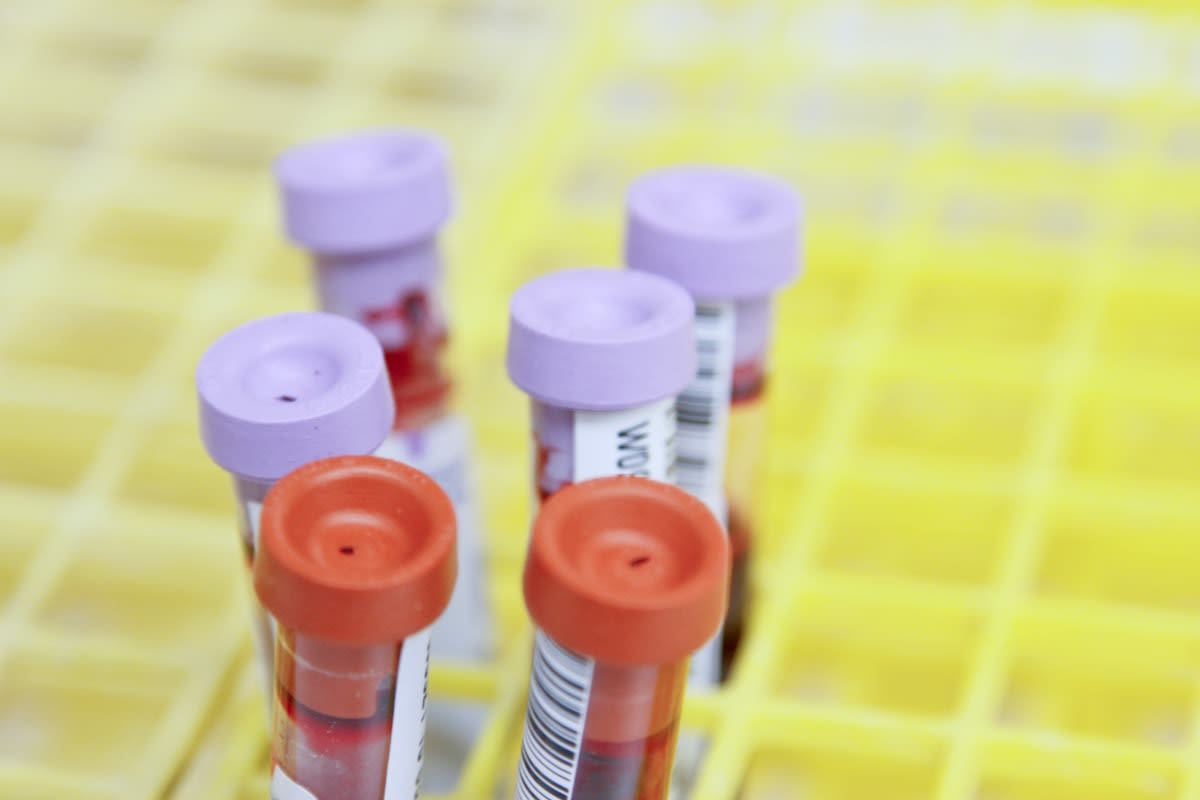
The economics of this shift are equally disruptive. The global market for neuro-diagnostic biomarkers is projected to grow at a CAGR of 12% over the next five years (Source: Global Health Market Insights, 2024). This growth isn't just coming from the tests themselves, but from the companion diagnostics required for the new wave of anti-amyloid drugs. Pharmaceutical companies now require biomarker confirmation before administering these expensive therapies to ensure they are targeting the right pathology.
| Metric | Traditional (PET/CSF) | Modern (Blood-Based) |
|---|---|---|
| Cost per Test | $2,000 - $6,000 | $200 - $600 |
| Invasiveness | High (Radiation/Spinal Tap) | Low (Venipuncture) |
| Accessibility | Urban Specialized Centers | Primary Care Clinics |
| Accuracy (Amyloid) | ~98% | 90-95% |
As we look toward the next six months, the focus will shift from 'can we detect it' to 'how do we manage it.' We are seeing the first signs of integrated care pathways where the blood test triggers a predetermined set of lifestyle and medical interventions. This is the true breakthrough: the transition of dementia from a terminal diagnosis to a manageable chronic condition.
Fact-Check & Accuracy Note
Key claims regarding p-tau217 accuracy (95%) are sourced from 2024 JAMA Neurology publications. Cost comparisons are based on 2023 Health Economics Review data. The discussion on Japanese health policy reflects 2024 Ministry of Health directives. Note: The clinical utility of diagnosing asymptomatic patients remains a point of significant debate among neurologists worldwide.