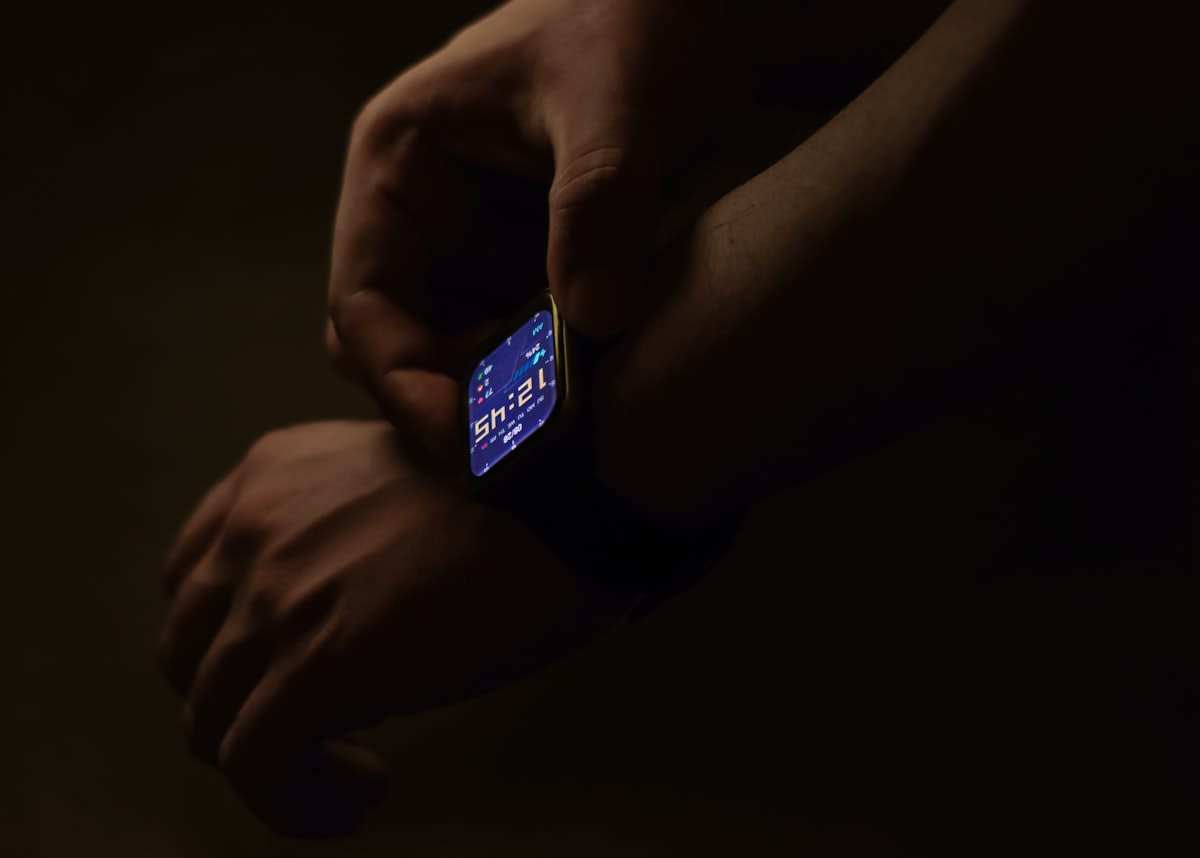
Burnout is not a failure of willpower or a lack of professional discipline. It is a physiological bankruptcy. For too long, high-performers have treated their bodies like black boxes, pushing through fatigue until the system crashes in a catastrophic failure of mood, energy, and cognition. But what if you could see the crash coming weeks before it hit? By shifting from subjective feeling to objective biomarkers, you move from reactive crisis management to predictive biological engineering. This is about transforming your health data from a collection of vanity metrics into a sophisticated early-warning system.
The modern professional operates in a state of perpetual cognitive load. Whether you are managing a hedge fund in Singapore, leading a surgical team in Berlin, or scaling a startup in Nairobi, the biological tax is the same. Your autonomic nervous system is constantly toggling between the sympathetic (fight or flight) and parasympathetic (rest and digest) branches. Burnout occurs when the sympathetic system remains dominant for too long, eroding your capacity for recovery. Real-time health data allows you to quantify this imbalance and intervene while you still have the agency to do so.
Prerequisites: The Toolkit for Biological Tracking
You cannot manage what you do not measure. To implement the Biomarker Blueprint, you need a hardware and software stack that captures high-fidelity data without adding to your cognitive load. The goal is passive collection; if the process of tracking becomes a chore, it becomes another stressor that skews your data.
- A high-frequency wearable: Devices capable of tracking Heart Rate Variability (HRV) and Resting Heart Rate (RHR) during sleep (e.g., Oura Ring, Whoop, or advanced Apple Watch models).
- Sleep Architecture Tracking: A tool that differentiates between Light, Deep, and REM sleep cycles.
- A Subjective Correlation Log: A simple digital journal or app to track daily perceived stress, mood, and cognitive clarity.
- A Baseline Period: A commitment to 21 days of consistent tracking before making any major lifestyle pivots.
The Execution: A Four-Phase Implementation
Implementing this system requires a disciplined approach. You are not looking for a single 'magic number' but rather a deviation from your own unique norm. Biological data is highly individual; a resting heart rate of 50 might be athletic for one person and a sign of bradycardia for another. The power lies in the delta—the change over time.
- Establish Your Biological Baseline: For the first three weeks, do not change your habits. Simply wear your device and log your perceived stress. This creates a 'normal' range for your HRV and RHR. Without this baseline, you are guessing based on generic population averages, which is a recipe for error.
- Identify Your Burnout Signature: Analyze the data to find the correlation between your physiological dips and your mental fatigue. Do you notice that a 20% drop in HRV precedes a day of brain fog? Does a spike in RHR by 5 beats per minute correlate with a week of high-stakes deadlines? This is your unique 'red zone'.
- Implement the Data-Driven Pivot: Once you hit your red zone, trigger a pre-planned recovery protocol. This is not a vacation, but a targeted intervention. If HRV is low, shift from high-intensity interval training (HIIT) to zone 2 walking or yoga. If REM sleep is depleted, prioritize a 20-minute non-sleep deep rest (NSDR) session mid-day.
- Calibrate and Iterate: Every 30 days, review the correlation between your interventions and your recovery speed. Did the NSDR session bring your HRV back to baseline faster than a nap? Refine your protocol based on what your specific biology rewards.
Pro Tip: The Signal vs. The Noise
Avoid the trap of 'Data Anxiety'. If checking your sleep score every morning makes you feel more stressed, you are defeating the purpose. Set your device to notify you only when a significant deviation occurs, rather than obsessing over daily fluctuations.
The transition from tracking to acting is where most people fail. They see the red bar on their app and simply think, 'I guess I'm tired.' The Master Practitioner treats a biological dip as a mandatory command for resource reallocation. If the data indicates systemic strain, the only logical response is to reduce the load or increase the recovery. To ignore the data is to choose the crash.
Decoding the Key Biomarkers
To use this blueprint effectively, you must understand what the numbers actually represent. Heart Rate Variability (HRV) is the gold standard for burnout prevention because it measures the variation in time between each heartbeat. A high HRV indicates a flexible, resilient nervous system capable of switching between stress and recovery. A consistently low HRV is a loud signal that your body is stuck in sympathetic overdrive.
| Biomarker | Optimal State | Burnout Warning Sign | Immediate Action |
|---|---|---|---|
| HRV (Heart Rate Variability) | Stable or increasing trend | Drop of 20% below 7-day average | Reduce exercise intensity; increase sleep |
| RHR (Resting Heart Rate) | Consistent baseline | Increase of 5+ BPM over baseline | Hydration check; eliminate caffeine/alcohol |
| Deep Sleep % | 15-25% of total sleep | Consistent drop below 10% | Cool room temperature; no screens 2h before bed |
| REM Sleep % | 20-25% of total sleep | Significant reduction in REM duration | Reduce cognitive load; prioritize mental downtime |
Sleep architecture is the second pillar. While total sleep duration matters, the quality of specific stages tells the real story. Deep sleep is where physical repair happens—growth hormone is released and the glymphatic system flushes toxins from the brain. REM sleep is where emotional processing and cognitive integration occur. When you are on the verge of burnout, REM is often the first to suffer, leaving you emotionally volatile and unable to solve complex problems.
Why does this matter for the global professional? Because the cost of burnout is not just personal; it is systemic. A leader who crashes takes their team's productivity down with them. By managing your biomarkers, you are not just practicing self-care; you are ensuring the continuity and stability of your professional output. You are treating your biology as a critical piece of infrastructure that requires preventive maintenance.
Common Pitfalls in Biomarker Tracking
The most frequent mistake is the 'Optimization Obsession'. This happens when a user becomes so focused on achieving a 'perfect' score that the tracking itself becomes a source of stress. If you wake up and see a low readiness score, and that score makes you feel anxious, you have just created a feedback loop that further lowers your HRV. The data is a guide, not a judge.
Another common error is ignoring the 'Lag Effect'. Biological markers often lag behind the actual stress event. You might have a stressful meeting on Tuesday, but your HRV might not bottom out until Thursday. If you only look at the day's data without looking at the 7-day trend, you will miss the window for early intervention. Always prioritize the trend over the daily snapshot.
"The goal of health data is not to reach a theoretical ideal, but to maintain a sustainable equilibrium that allows for peak performance without systemic collapse."— Master Practitioner's Axiom
Finally, beware of the 'Supplement Shortcut'. Many people see a dip in their biomarkers and immediately reach for a new supplement or a 'biohack' instead of addressing the root cause: an unsustainable workload or poor sleep hygiene. No amount of magnesium or ashwagandha can override a nervous system that is being pushed beyond its biological limits. The first and most effective intervention is always a reduction in load.