
The Diagnostic Pivot
For decades, diagnosing Alzheimer's disease felt like a game of waiting for the house to crumble before admitting there was a foundation problem. Doctors relied on cognitive tests and expensive PET scans or invasive cerebrospinal fluid (CSF) draws to confirm the presence of amyloid plaques. These methods were the gold standard, yet they remained locked behind the gates of elite urban hospitals and massive insurance payouts. Now, the paradigm is shifting. A new wave of blood-based biomarkers is turning the tide, moving detection from the radiology suite to the local clinic.
Why does this matter right now? Because the window for intervention is shrinking. With the arrival of new disease-modifying therapies that target amyloid, the urgency to identify patients in the prodromal—or pre-symptomatic—phase has skyrocketed. We are no longer just documenting a decline; we are hunting for the earliest molecular whispers of a disease that begins decades before the first forgotten key or missed appointment. This isn't just a technical upgrade; it is a total reimagining of how we approach brain health.
The 12-Month Delta
Twelve months ago, blood tests were largely confined to research cohorts and academic trials. Today, they are infiltrating clinical workflows globally, offering a screening precision that rivals PET scans while costing a fraction of the price.
The heavy hitter in this space is p-tau217. This specific phosphorylated tau protein has emerged as the most reliable signal in the blood, capable of detecting amyloid pathology with startling accuracy. Recent data indicates that p-tau217 can identify Alzheimer's pathology with an area under the curve (AUC) often exceeding 0.90, placing it in the same league as the highly invasive lumbar puncture. It doesn't just tell us that something is wrong; it tells us specifically that amyloid is accumulating in the brain.
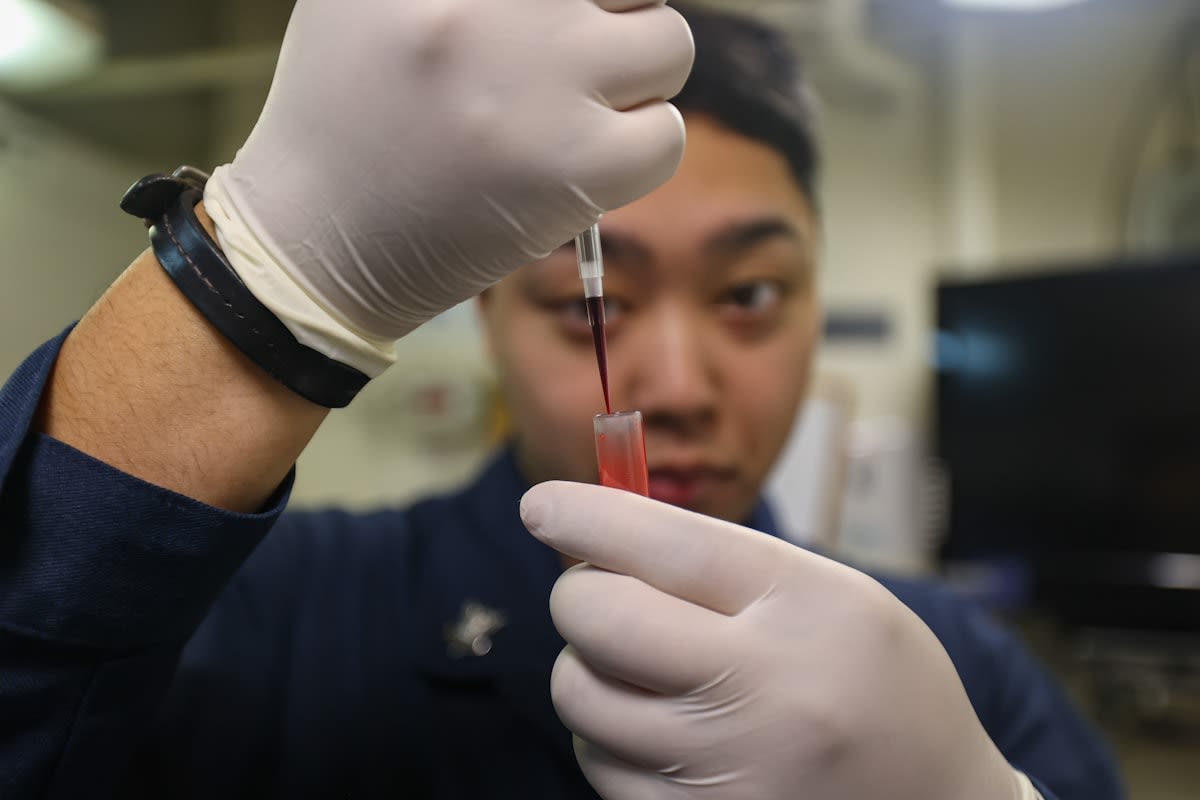
Contrast this with the old regime. A PET scan can cost upwards of $5,000 and requires the injection of a radioactive tracer, limiting its use to a handful of centers in any given region. In contrast, a blood draw costs a few hundred dollars and can be performed in a rural clinic in Brazil or a community health center in Vietnam. This democratization of data removes the geographical lottery that previously determined who got an early diagnosis and who simply faded away in confusion.
"We are moving from a world where only the wealthy in developed nations could access early biomarkers to a world where a simple blood test can screen millions across every continent."— Lead Researcher, Global Neurology Initiative
But the shift isn't limited to p-tau217. We are seeing a multi-marker approach emerge, combining tau levels with Neurofilament Light (NfL) and the Amyloid-beta 42/40 ratio. NfL acts as a general alarm system for axonal damage, while the A-beta ratio provides a snapshot of plaque deposition. When these markers are layered, they create a high-definition picture of the brain's decay, allowing clinicians to differentiate Alzheimer's from other forms of dementia like Frontotemporal or Vascular dementia with far greater speed.
| Biomarker | Primary Indicator | Clinical Utility | Invasiveness |
|---|---|---|---|
| p-tau217 | Amyloid Pathology | High Precision Screening | Low (Blood) |
| NfL | Neuronal Damage | Disease Progression | Low (Blood) |
| Abeta 42/40 | Plaque Accumulation | Early Stage Detection | Low (Blood) |
| CSF Tau | Tau Tangles | Confirmatory Diagnosis | High (Lumbar Puncture) |
This technological leap arrives at a critical moment for the pharmaceutical industry. The recent FDA and EMA approvals of monoclonal antibodies have created a massive bottleneck. These drugs are only effective in the early stages of the disease, yet the infrastructure to find those early patients was broken. Blood tests solve the throughput problem, allowing healthcare systems to screen thousands of patients quickly and refer only the positive cases for confirmatory imaging and treatment.
Is the world ready for the psychological weight of this knowledge? That is the question haunting the ethics boards. When we can detect Alzheimer's pathology fifteen years before the first symptom, we create a new class of people: the pre-symptomatic ill. For some, this is an opportunity to organize their estate, prioritize their relationships, and engage in aggressive lifestyle interventions. For others, it is a ticking clock that offers anxiety without a guaranteed cure.

The economic implications are equally staggering. The global market for Alzheimer's diagnostics is projected to grow at a CAGR of roughly 9% over the next five years, driven largely by these blood-based assays. By reducing the reliance on specialized imaging, health systems in middle-income countries can allocate resources toward caregiving and supportive therapies rather than spending their entire budget on a few expensive scanners.
However, the road to universal adoption is not without friction. Regulatory bodies are still debating the exact thresholds for a positive test. A false positive could lead to unnecessary, expensive, and potentially risky treatments. Conversely, a false negative might rob a patient of their last chance at a disease-modifying therapy. The precision is high, but in a population of millions, a 10% error rate translates to hundreds of thousands of misdiagnosed lives.
Despite these hurdles, the momentum is irreversible. We are witnessing the death of the 'wait and see' approach to dementia. The integration of these tests into annual physicals for those over 65 is no longer a fantasy; it is a looming reality. As we refine the assays and lower the costs further, the blood test will become the sentinel, guarding the gate between cognitive health and the long slide into decline.
Ultimately, the true victory of blood-based biomarkers is not the science itself, but the autonomy it grants the patient. Knowing the truth early allows individuals to claim their agency before the disease claims their identity. We are moving toward a future where Alzheimer's is managed like hypertension or high cholesterol—detected early, monitored closely, and treated aggressively long before the first sign of failure.