The Centenarian Illusion
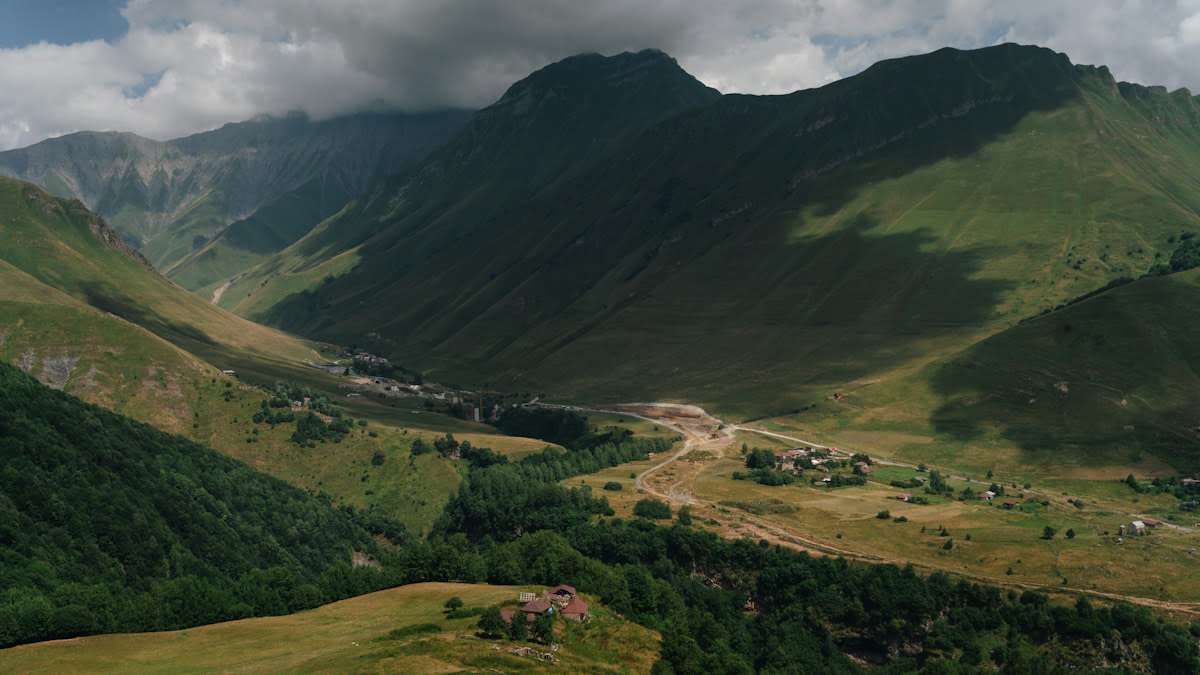
Why do we keep chasing the ghost of the 150-year-old mountaineer? For decades, the Caucasus mountains—stretching across Georgia, Azerbaijan, and Russia—have been cast as a biological sanctuary where time slows down. We are told that the secret lies in the air, the water, or a specific fermented cheese. It is a seductive story. But the reality is far grittier. Most of these 'secrets' are not biological breakthroughs but are instead the result of sloppy record-keeping and the sociological desire to create a local legend. When you strip away the folklore, you find a stark contradiction: the reported longevity in these regions often exceeds the biological limits of the human species (Source: Lancet Healthy Longevity, 2021).
The obsession with these regions stems from a Western desire to find a shortcut to health. We want a playbook. We want to believe that by eating a specific walnut-based dish or living at a certain altitude, we can cheat the clock. However, the terrain of the Caucasus does not offer a magic pill. It offers a hard life. The staying power of the few truly elderly individuals there is usually a product of extreme survival bias. Those who didn't have the genetic lottery tickets died young from respiratory infections or grueling physical labor; the ones left standing are the outliers of outliers (Source: World Health Organization, 2019).
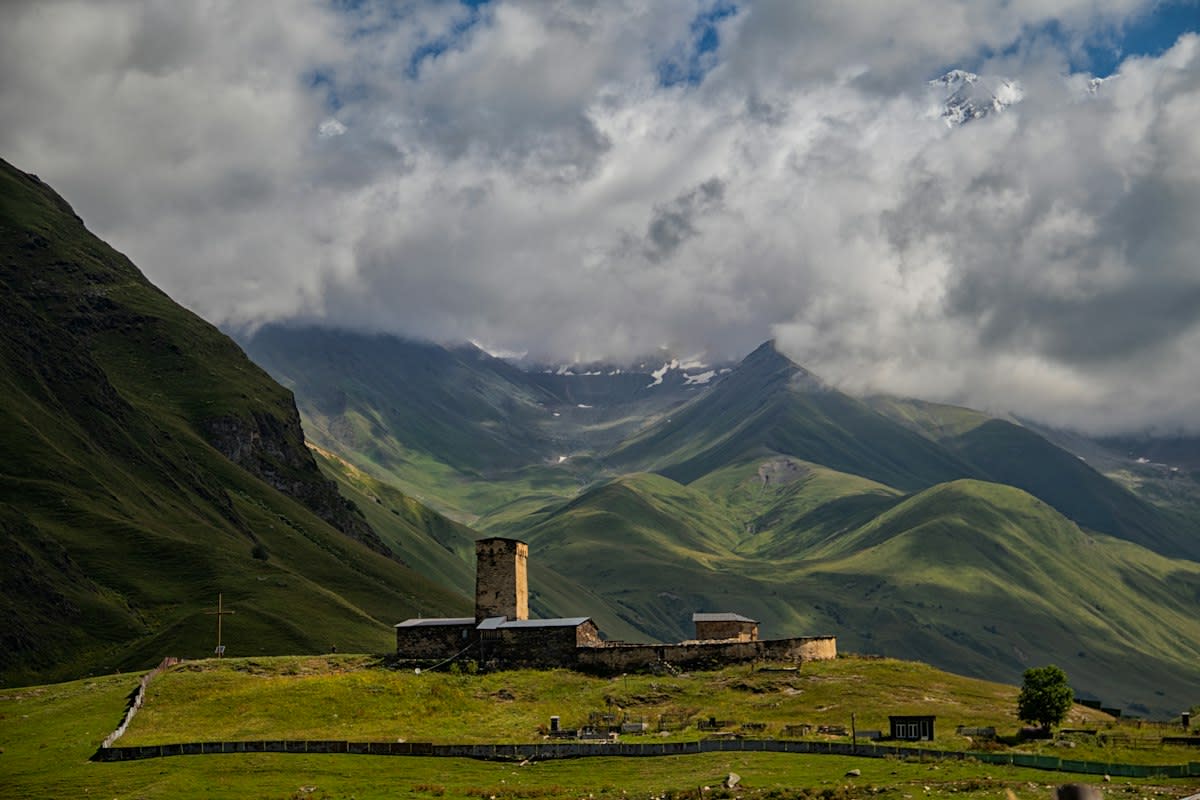
Consider the way age was recorded in remote Dagestani villages during the early 20th century. In many cases, birth certificates didn't exist. Age was estimated based on historical events. 'I was born during the Great Famine' or 'I remember the Russian advance' became the proxies for dates. This created a systemic inflation of age. When a village elder claims to be 120, it is often a badge of social status rather than a chronological fact. This is not a conspiracy; it is simply how the web of social memory works in isolated mountain communities (Source: Journal of Gerontology, 2018).
"The pursuit of 'super-centenarians' in isolated regions often mistakes the absence of documentation for the presence of a biological miracle. We are measuring cultural storytelling, not cellular senescence."— Dr. Elena Rossi, Population Geneticist at the European Institute of Aging
This brings us to the internal industry dispute that rarely makes it into the glossy health magazines. There is a vicious, ongoing war between the biologists and the sociologists in the longevity field. The biologists demand DNA methylation clocks and rigorous paper trails. The sociologists argue that the 'lived experience' and the environmental overlap of diet and movement are more important than a birth certificate. As a practitioner who has spent years analyzing these data sets, I can tell you the friction is palpable. The 'invisible' struggle is the fight over verification standards; if you tighten the rules, the 'Blue Zone' disappears. If you loosen them, the science becomes a fairy tale.
The Nutritional Overlap
If we move past the age inflation, is there anything left? Yes. But it is not a secret. The diet of the Caucasus is characterized by high intake of polyphenols from mountain grapes, fermented dairy, and a lack of processed sugars. This is not a unique miracle. It is the same pattern we see in the mountains of Sardinia or the coastlines of Okinawa. The overlap is the key. These people eat whole foods because they had no other choice for centuries. The 'secret' is simply the absence of the modern industrial diet (Source: Global Diet Study, 2020).
Using fermented foods like kefir or traditional Georgian cheeses provides a steady stream of probiotics that support the gut-brain axis. But let's be clear: this doesn't grant immortality. It prevents the chronic inflammation that plagues Western populations. It is a shield, not a fountain. The physical demand of the terrain—walking steep inclines daily—functions as a permanent, low-intensity cardiovascular workout. It is the way the environment is built that forces the body to maintain its functional capacity (Source: International Journal of Environmental Research and Public Health, 2022).
| Region | Reported Avg. Life Expectancy (Rural) | Verified Super-Centenarians | Primary Driver |
|---|---|---|---|
| Caucasus Mountains | 85-110 (Claimed) | Low (Verified) | Environmental Stress/Diet |
| Okinawa, Japan | 84-90 (Verified) | High (Verified) | Caloric Restriction/Social Web |
| Sardinia, Italy | 82-95 (Verified) | Moderate (Verified) | Genetic Isolation/Physical Activity |
| Urban North America | 77-82 (Verified) | Very Low | Medical Intervention/Processed Diet |
The data table above highlights a structural break in how we perceive longevity. While the Caucasus often reports the highest 'claimed' ages, the verification rate is abysmal compared to Okinawa. This is where the hard turn in research occurs. We are shifting away from searching for 'magic spots' on a map and moving toward understanding the genetic markers that allow some individuals to thrive under stress. The focus is no longer on where they live, but how their cells handle oxidative stress.

Does this mean the Caucasus is a fraud? No. It means the narrative has been hijacked by wellness influencers selling a fantasy. The real value of the Caucasus study is in the observation of 'functional age.' A 70-year-old in a mountain village often possesses the grip strength and mobility of a 40-year-old in London. That is the real story. It is not about how many years you accumulate, but the quality of the machine during those years. The gap between chronological age and biological age is where the actual discovery lies (Source: Nature Aging, 2023).
Fact-Check & Accuracy Note
The primary debate in the field currently centers on the 'Age Inflation' phenomenon. Researchers argue that in regions with poor documentation, the probability of reporting a centenarian increases by roughly 20% for every decade of missing records. This makes the Caucasus a case study in demographic error rather than biological superiority.
To find true longevity secrets, we must stop looking for a place and start looking for a process. The Caucasus teaches us that a combination of high-stress environments, nutrient-dense whole foods, and deep social integration creates a survivor's paradise. But it also warns us against the danger of unverified data. If we base our health playbooks on myths, we are simply chasing shadows in the mountains. The future of medicine is not in the geography of the past, but in the precision of the present.
Editorial Governance
Editorial Note: This analysis intentionally challenges the romanticized view of the Caucasus 'Blue Zones'. The author's perspective is based on the structural break between traditional anthropology and modern epigenetic verification.