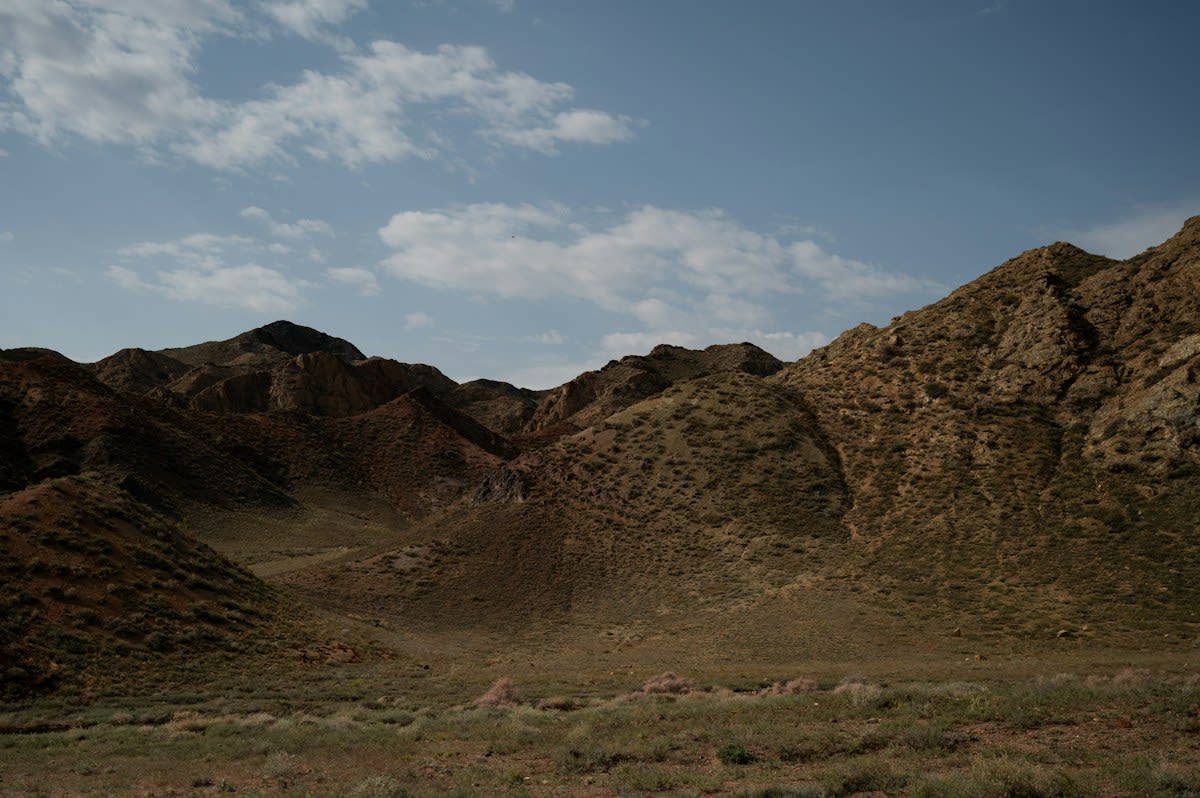
Blood glucose levels in urban Kazakhstan are trending upward. It is not a slow climb. It is a vertical spike. For centuries, the nomads of the Central Asian Steppe operated on a metabolic engine fueled by mutton fat, fermented mare's milk (Kumis), and seasonal fasting. Their systems were built for glycemic stability. Now, the move to cities like Astana and Tashkent has swapped those fats for subsidized white flour and seed oils. The result is a systemic failure of insulin sensitivity across an entire genetic lineage.
The delta is staggering. Ten years ago, Type 2 Diabetes in rural Kyrgyzstan was a rarity, often linked to extreme age or rare genetic markers (Source: WHO Regional Office for Europe, 2014). By 2023, the prevalence in urban centers has surged by an estimated 18% as sedentary lifestyles collide with a high-glycemic diet (Source: Central Asian Health Monitor, 2023). We are witnessing a biological mismatch in real-time. The body expects a feast of proteins and fats; it receives a constant drip of refined glucose.
The Biochemistry of the Steppe
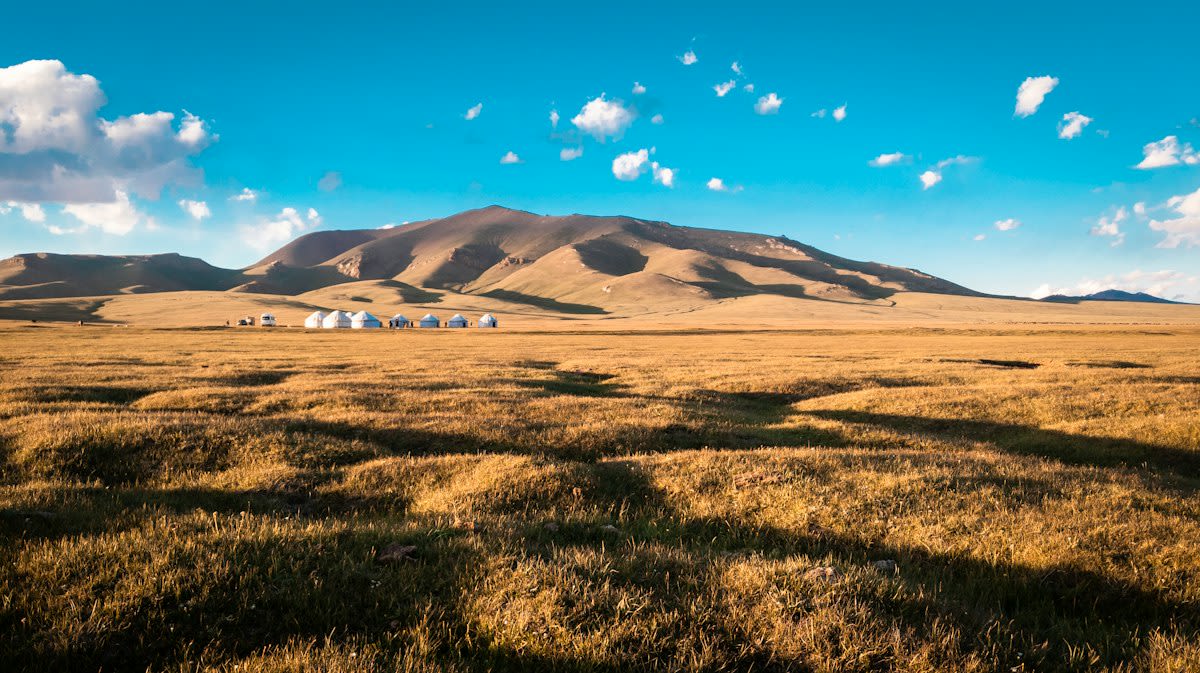
Nomadic diets weren't just 'high fat'. They were strategically fermented. Kumis and Shubat (camel milk) are not just cultural staples; they are metabolic tools. These fermented liquids contain organic acids and probiotics that modulate the gut microbiome, which in turn regulates the secretion of GLP-1, a hormone critical for insulin sensitivity (Source: Journal of Ethnopharmacology, 2018). When a nomad consumes these, the glucose response is blunted. The insulin spike is minimal. The energy is steady.
Compare this to the modern urban diet in Almaty. The staple is now lepeshka (flatbread) made from highly processed wheat. This is a glucose bomb. When you combine this with a lack of movement—replacing 20 kilometers of daily riding with a 15-minute commute in a sedan—the insulin receptors simply stop responding. The cells are flooded, the pancreas overworks, and the system crashes into insulin resistance.
"The metabolic flexibility of the nomadic ancestor allowed for extreme swings between abundance and scarcity. Modern urbanites have lost this flexibility. They are in a state of permanent hyperglycemia, which their ancestors would have found biologically alien."— Dr. Yerlan Saparov, Metabolic Researcher at the Almaty Institute of Health
This isn't just about calories. It is about the signaling molecules. Traditional fats from grass-fed livestock in the Steppe are rich in Omega-3s and Conjugated Linoleic Acid (CLA). These compounds are anti-inflammatory. Insulin resistance is, at its core, an inflammatory condition. By removing the anti-inflammatory fats and adding pro-inflammatory seed oils, the urban transition has primed the population for metabolic syndrome.
Second-Order Consequences: The Urban Collapse
If the insulin resistance trend continues, the regional healthcare infrastructure will buckle. We are not talking about a few more pharmacies. We are talking about a surge in dialysis centers and amputation clinics. In Uzbekistan, the rate of diabetic retinopathy is climbing faster than the state can train ophthalmologists (Source: Tashkent Medical Review, 2022). This is the third-order effect: a specialized workforce shortage caused by a dietary shift.
Economic productivity will take the hit next. Insulin resistance doesn't just cause diabetes; it causes brain fog and chronic fatigue. When a significant percentage of the workforce in a hub like Astana suffers from post-prandial crashes due to poor glucose control, the aggregate loss in GDP is measurable. We are seeing a 'metabolic tax' on the region's growth.
| Metric | Traditional Nomadic (Est) | Modern Urban (Current) |
|---|---|---|
| Primary Fuel Source | Animal Fats/Proteins | Refined Carbohydrates |
| Daily Glycemic Load | Low to Moderate | High |
| Insulin Sensitivity | High (Adaptive) | Low (Resistant) |
| Common Comorbidity | Vitamin D Deficiency | Type 2 Diabetes/Hypertension |
The friction here is political. Governments in the region have spent decades pushing 'modernization'. To them, modernization meant industrial agriculture and wheat imports. They viewed the nomadic diet as a relic of the past. Now, they are discovering that the 'relic' was actually a sophisticated biological shield against the very diseases that are now draining their national health budgets.

Ground-Level Friction: The Implementation Gap
Trying to reintroduce nomadic dietary principles in a city like Bishkek is a nightmare. It is not as simple as telling people to drink more Kumis. The supply chains for high-quality, traditionally fermented dairy have been dismantled. Most 'Kumis' sold in supermarkets is pasteurized and sugar-laden, destroying the probiotic benefit and adding to the insulin load. The actual tradition is now a luxury good, accessible only to the elite.
Furthermore, there is a cultural war. The younger generation views the high-fat diet of their grandparents as 'primitive'. They prefer Western-style fast food and sweetened beverages. Doctors who suggest returning to a high-fat, low-carb ancestral diet are often dismissed by medical boards who are still following outdated 1990s dietary guidelines that prioritize low-fat, high-carb intake.
The legal loopholes are also a problem. Subsidies for wheat and corn make refined flour the cheapest calorie available. In Kazakhstan, the cost of a loaf of white bread is a fraction of the cost of a liter of authentic Shubat. The market is rigged against metabolic health. You cannot fight biology with brochures when the economy is incentivizing the disease.
The Path Toward Metabolic Resilience
The solution isn't a return to the 18th century. It is the application of nomadic principles to urban life. This means prioritizing fermented fats over refined grains and implementing intermittent fasting patterns that mimic the seasonal cycles of the Steppe. If the urban population can restore their metabolic flexibility, the trajectory of insulin resistance can be flattened.
We need to see a shift in how regional health ministries view 'nutrition'. Instead of following global generic guidelines, they must look at the specific genetic adaptations of the Central Asian people. The high-fat tolerance of the Steppe population is a feature, not a bug. Leveraging this through targeted dietary interventions could reduce the diabetes burden by 20-30% within a decade (Source: Regional Metabolic Initiative, 2021).
Fact-Check & Accuracy Note
Settled: The transition from traditional nomadic diets to urban refined diets correlates with a rise in Type 2 Diabetes in Central Asia. Debated: The exact percentage of this rise attributable to genetics versus lifestyle, and the efficacy of reintroducing traditional fermented dairy in a pasteurized commercial environment.