
Neurons misfire. 84% of Americans use social media (Source: Pew Research Center, 2026). Digital environments trigger a state of fragmented attention. This fragmentation is not always a clinical ADHD diagnosis but often a subclinical condition induced by notification interference (Source: Frontiers, 2026). Users fluctuate between application switching and information stream refreshing, which erodes the capacity for deep cognitive work.
Prerequisites for Cognitive Recovery
Recovery requires a deliberate rejection of seamless interfaces. Efficiency in digital interaction often correlates with a decrease in learning depth. To implement the following protocol, the practitioner must secure tools that provide physical resistance to the speed of thought. This prevents the reactive decision making encouraged by highly interactive AI interfaces (Source: CedTech, 2026).
- Analog writing materials (paper and ink) to externalize logic
- A device-free environment for the initial reasoning phase
- A structured log to track attentional interruptions
- Access to long-form texts devoid of hyperlinks
The Mechanics of the Attention Crash
Attention is divided into three primary functions: sustained, selective, and divided. Sustained attention allows the retention of information during prolonged tasks, while selective attention filters relevant data amid stimuli (Source: Frontiers, 2026). Divided attention manages cognitive resources across multiple tasks. When digital interruptions become frequent, these functions collapse, increasing extraneous cognitive load and consuming working memory resources (Source: Frontiers, 2026).
Frequent task switching impairs the capacity for deep processing. Learners may appear occupied, completing numerous activities, yet they process relatively little information deeply enough for durable learning (Source: Gianfranco Conti, 2026). This creates a paradox where increased exposure to information does not result in increased learning. The cognitive cost of switching between tasks is especially high when the information is unfamiliar, requiring more mental resources to maintain coherence.
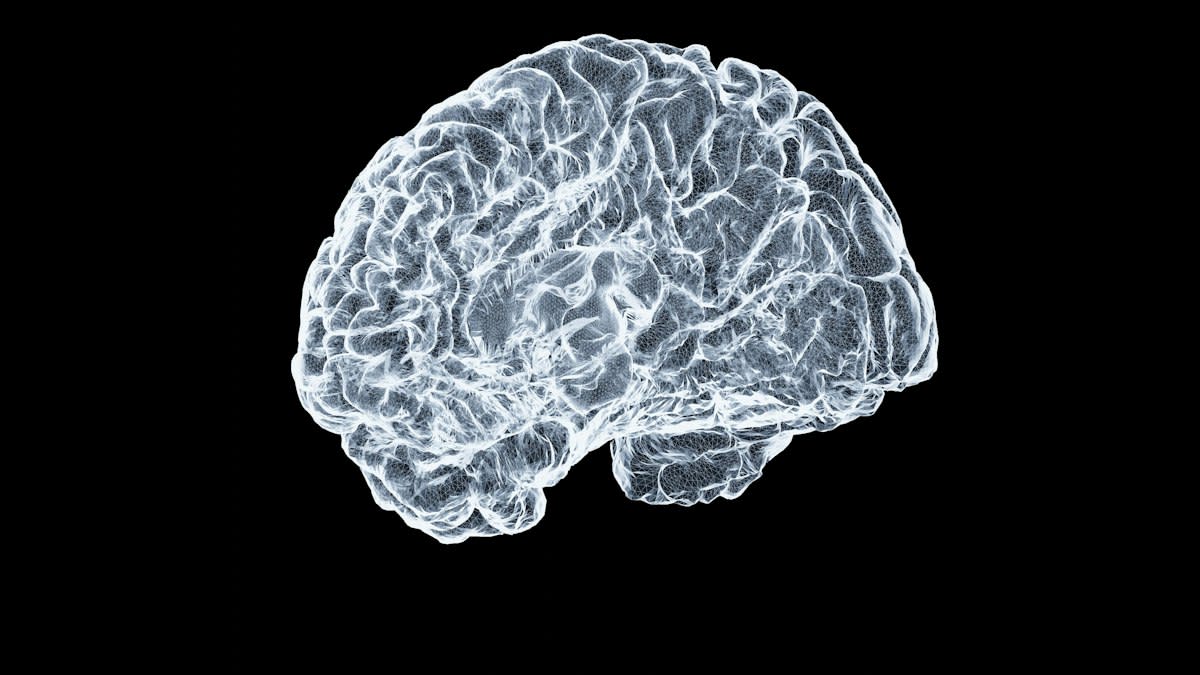
"More exposure does not necessarily mean more learning!"— Gianfranco Conti, Language Expert
The AI Slop Correlation
Artificial intelligence outputs often mirror the fragmented attention of their users. Research into AI slop reveals a significant difference in span lengths between humans and GPT-5. Humans produce an average span length of 162.63, whereas GPT-5 produces an average of 80.77 (Source: arXiv, 2026). This shorter span length indicates a lack of depth and coherence in AI-generated text, which can further train the human brain to accept fragmented information.
| Metric | Human Avg | GPT-5 Avg |
|---|---|---|
| Avg Span Length | 162.63 | 80.77 |
| Spans Per Theme | 1.29 | 1.53 |
| Total Spans | 135 | 374 |
The presence F1 for various themes of AI slop, such as density and structure, remains high, with density reaching 0.90 (Source: arXiv, 2026). This suggests that while the structure looks correct, the actual cognitive value is diminished. Relying on these outputs encourages rapid iterative behavior, which fragments attention and promotes reactive decision making rather than structured reasoning (Source: CedTech, 2026).
The relationship between AI consumption and attention is cyclical. Fragmented users produce fragmented prompts, and AI responds with fragmented slop. This loop reinforces the subclinical attention deficits observed in adolescents and adults alike (Source: Frontiers, 2026).
Protocol for Attention Restoration
- Implement Paper-First Knowledge Engineering: Use an analogue workflow to scaffold structured reasoning before any digital execution occurs (Source: CedTech, 2026).
- Introduce Deliberate Cognitive Friction: Intentionally slow down the initial reasoning phase to reduce downstream inefficiencies and improve task accuracy (Source: CedTech, 2026).
- Externalize Logic Blueprints: Map out the required logic on paper to evaluate and verify probabilistic AI outputs critically (Source: CedTech, 2026).
- Audit Notification Interference: Identify and eliminate push notifications and application switching triggers that disrupt the continuity of attention (Source: Frontiers, 2026).
- Schedule Sustained Attention Blocks: Dedicate specific windows for deep processing, isolated from the digital stream to minimize extraneous cognitive load (Source: Frontiers, 2026).
Practitioners in Nairobi report a sharp conflict between the perceived efficiency of AI summaries and the actual necessity of deep processing. In corporate environments, the pressure to produce rapid outputs leads to a reliance on AI-generated drafts that lack coherence. This creates a friction where employees feel continuously occupied but produce work with low durability. The resolution requires a cultural shift toward valuing the productive struggle associated with deeper learning processes (Source: CedTech, 2026).

Failure Points
The most frequent failure occurs during the transition from analogue to digital. Users often treat the paper blueprint as a mere formality, quickly reverting to reactive decision making once they open an AI interface. This eliminates the cognitive friction necessary for accuracy. Another failure point is the inability to resist notification interference, which immediately fragments the sustained attention built during the analogue phase (Source: Frontiers, 2026).
Failure also stems from the confusion between activity and productivity. Because students and professionals can complete more activities through fragmented attention, they mistakenly believe they are learning more (Source: Gianfranco Conti, 2026). This illusion of competence prevents them from adopting the slower, more difficult methods required for true cognitive agency.
Editorial Note
Cognitive friction is not an inefficiency; it is a pedagogical tool. By slowing down the initial reasoning phase, the brain reduces errors and increases the depth of processing, countering the effects of digital disruption.
Fact-Check Note
Fact-Check: All statistics regarding GPT-5 span lengths (80.77) and human span lengths (162.63) are sourced from arXiv (2026). Social media usage rates (84%) are sourced from Pew Research Center (2026). Cognitive load theories are attributed to Frontiers (2026).