The Urban Delusion
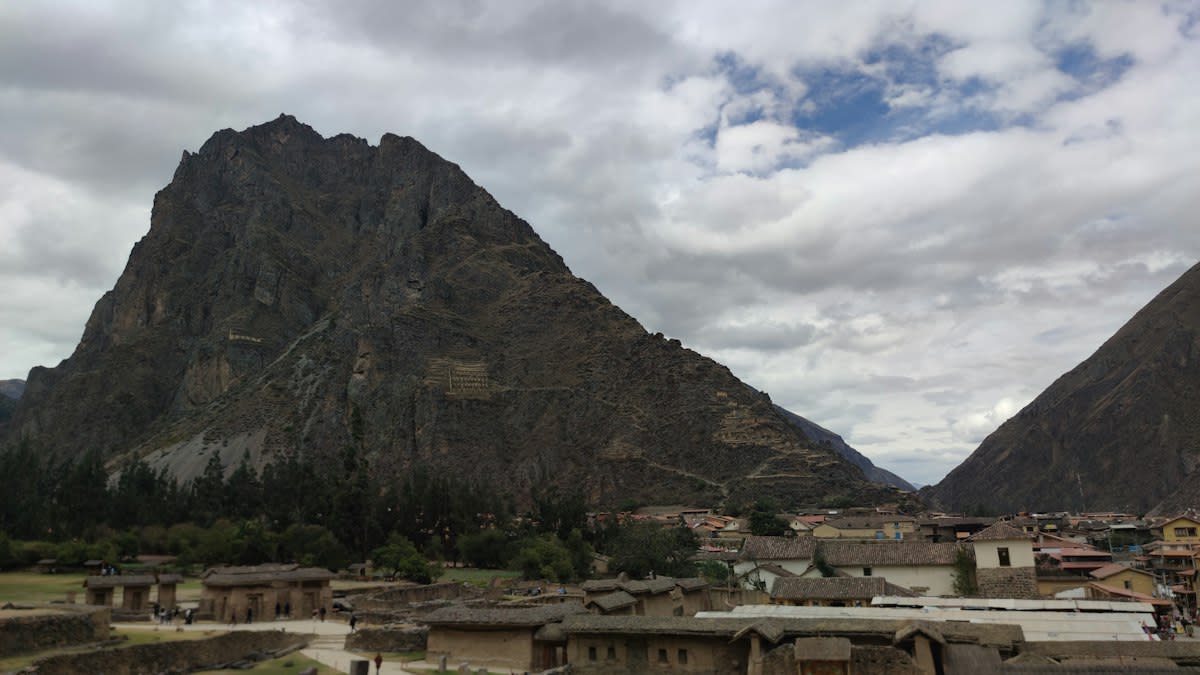
Why do we assume a sterile room in a city clinic is the peak of mental health care? It is a lie. We treat the mind as a mechanical failure to be fixed in isolation, ignoring the social web that actually holds a person together. In the rural highlands of Southern Peru, the Quechua population has historically been relegated in research and public policy (Source: MDPI, 2026). Yet, these same populations often find a path to recovery that urban centers cannot replicate. They do not seek a diagnosis; they seek a return to the collective.
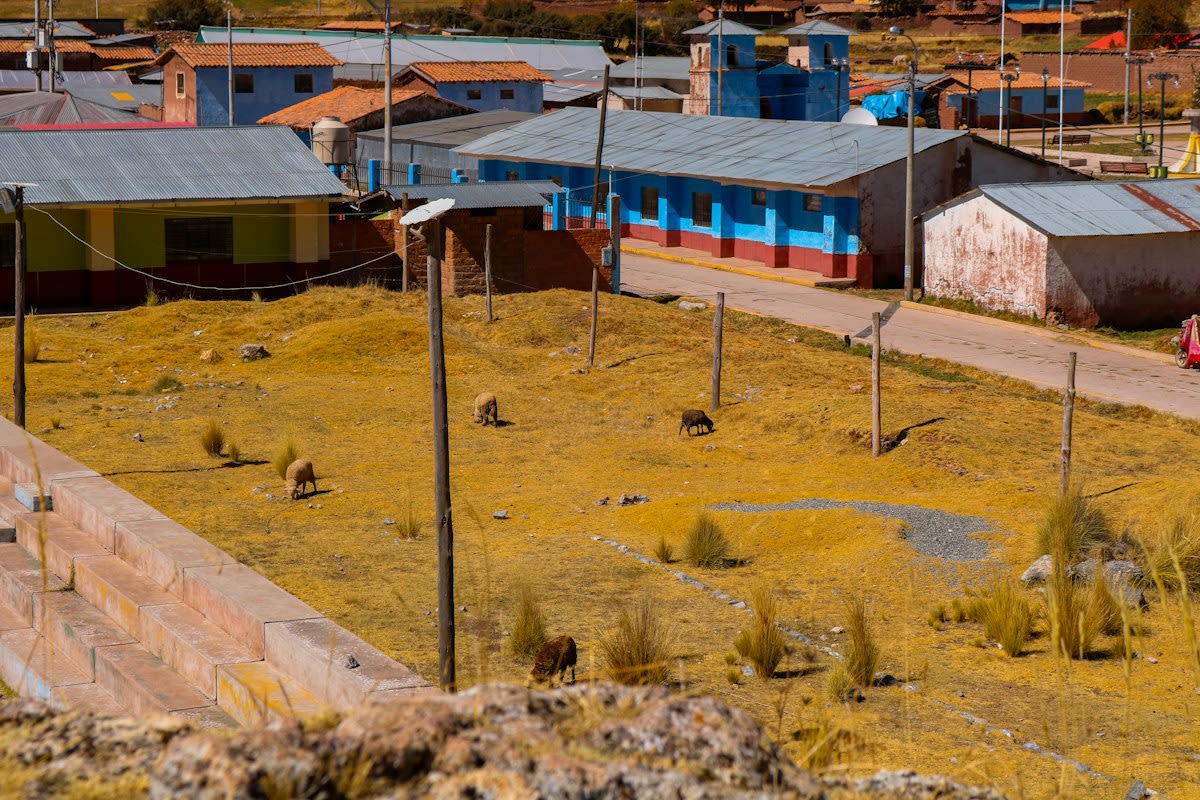
The city clinic is often a brittle environment. It offers a pill and a twenty-minute window of attention before the patient is cast back into a lonely urban sprawl. In contrast, the rural model focuses on social wellbeing and the perceived sense of community (Source: Frontiers in Psychology, 2026). When the grip of the community is strong, the weight of depression does not crush the individual. It is distributed. This is not a miracle; it is a mechanical advantage of social architecture.
Prerequisites for Community-Led Recovery
You cannot simply drop a 'community' label on a failing clinic and expect results. True recovery happens when the environment acts as a suture, closing the gap between the individual's pain and their social utility. Before attempting to scale this model, you must ensure three foundational elements are present. Without these, the effort will fray.
- High Perceived Social Support: The belief that others are available and willing to help during a crisis (Source: Frontiers in Psychology, 2026).
- Active Sense of Community: A shared feeling of membership and influence over local affairs.
- Cultural Alignment: Treatment must mirror the indigenous or local worldview rather than imposing a Western clinical default.
These are not soft metrics. They are the actual drivers of recovery. When a person feels they belong to a web of support, their social wellbeing increases, which directly correlates to a higher sense of community (Source: Frontiers in Psychology, 2026). This creates a feedback loop. The more the community supports the individual, the more the individual invests in the community.
The Practitioner's Friction: Where the Debate Lies
As a practitioner, I have seen the internal war between clinical purists and community advocates. The purists demand standardized metrics—PHQ-9 scores, DSM-5 checkboxes, and quantified symptom reduction. They view the Peruvian model as 'anecdotal' or 'unscientific'. But this is a hollow argument. The friction arises because clinical metrics cannot measure the 'grip' of a village. They cannot quantify the value of a neighbor who knows your history without you having to recite it in a cold office.
The real dispute is about power. If recovery happens in the village, the city clinic loses its monopoly on 'healing'. We see this tension globally. Practitioners often fight over whether a patient is 'stable' or 'integrated'. Stability is a clinical term; integration is a human one. In Southern Peru, the goal is not to be 'stable'—which implies a fragile equilibrium—but to be integrated into the social fabric.
Implementing the Recovery Suture: Step-by-Step
Moving from a clinical-first to a community-first approach requires a hard turn in strategy. You are no longer the primary healer; you are the facilitator of the community's healing capacity.
- Map the Social Web: Identify the natural nodes of support in the village. Who do people actually trust? It is rarely the government official; it is usually the elder or the local healer.
- Decentralize the 'Expert': Shift the authority from the clinic to the peer. In Missouri, for instance, Project STORK uses certified peer recovery specialists to bridge the gap for pregnant women in rural areas (Source: Beacon News, 2026).
- Integrate Social Wellbeing Metrics: Stop measuring only the absence of disease. Measure the presence of social support and the sense of community (Source: Frontiers in Psychology, 2026).
- Saturate the Environment with Access: Ensure that resources are not hidden. A common failure in rural care is the 'visibility gap'—where a recovery center exists across the street, but the hospital doesn't know it's there (Source: Beacon News, 2026).
- Formalize Indigenous Knowledge: Acknowledge that the Quechua population's methods are not 'primitive' but are sophisticated responses to their terrain (Source: MDPI, 2026).
This process is not linear. It is messy. You will face resistance from those who believe that only a degree allows someone to facilitate recovery. But the data from Southern Peru shows that social wellbeing is the primary engine of recovery (Source: Frontiers in Psychology, 2026). The peer is the bridge; the community is the destination.

Global Parallels: The Rural Visibility Gap
The struggle in Peru is mirrored in the American Midwest. In rural Missouri, the problem is often not a complete lack of treatment, but a failure of connection. People simply do not know what is available to them (Source: Beacon News, 2026). This is the same hollow space we see in Peruvian policy, where indigenous needs are relegated to the margins (Source: MDPI, 2026).
"I think looking around instead of just giving the pat answer of, ‘Well, we don’t have any resources because we’re rural.’ It’s doing a little bit of digging."— Williams, Project STORK Coordinator (Source: Beacon News, 2026)
Whether in the Andes or the Ozarks, the solution is the same: stop treating rurality as a deficit. Rural areas are not 'lacking' resources; they are often lacking the connective tissue to make those resources visible. By leveraging peer recovery specialists—people who have walked the same terrain—we can suture the gap between the patient and the care they need.
Common Pitfalls to Avoid
Most community-led initiatives fail because they try to 'civilize' the community model. They take a successful village approach and try to wrap it in clinical bureaucracy. This kills the very thing that makes it work: the organic grip of the social web.
- Over-Clinicalizing: Turning a community gathering into a 'support group session' with a timed agenda.
- Ignoring Policy Gaps: Failing to acknowledge that indigenous populations are historically neglected in public policy (Source: MDPI, 2026).
- The 'Resource' Fallacy: Assuming that more funding equals better outcomes, rather than focusing on the visibility and accessibility of existing tools (Source: Beacon News, 2026).
Fact-Check & Accuracy Note
The evidence for the Peruvian model relies on the correlation between social support and social wellbeing (Source: Frontiers in Psychology, 2026). However, there is an ongoing academic debate regarding how to standardize these 'soft' social metrics without stripping them of their cultural context. Verifiable data on the Quechua population's mental health has been historically sparse due to policy neglect (Source: MDPI, 2026).