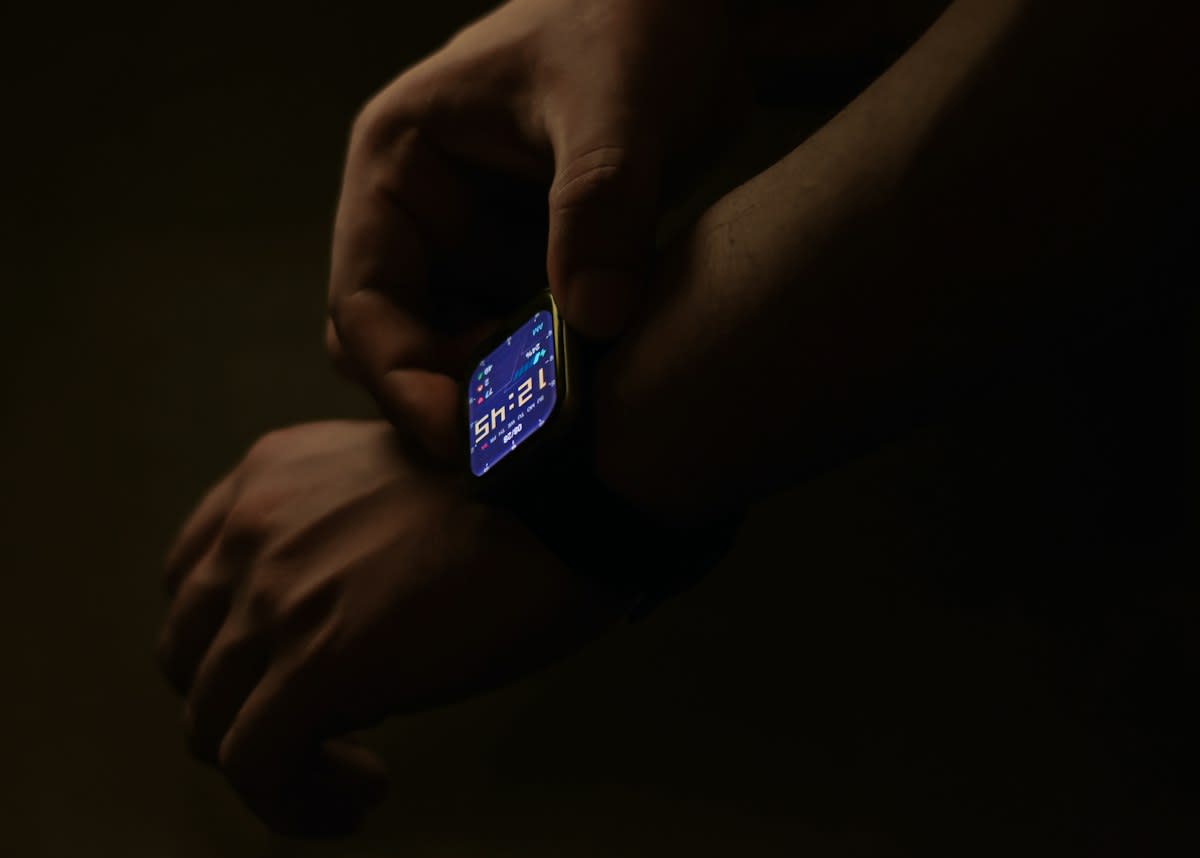
We have been conditioned to believe that the first sign of illness is a symptom—a fever, a cough, or a sudden spike in pain. This is a fundamental misunderstanding of how disease actually progresses. For decades, the medical establishment has operated on a reactive model: wait for the symptom, then seek the diagnosis. But what happens when the diagnostic tool is not a clinic visit, but a seamless, stretchable interface bonded to the skin? We are witnessing a systemic shift where the goal is no longer to treat the sick, but to identify the transition from health to pathology in real-time.
The conversation often drifts toward the novelty of smart tattoos or wearable gadgets, but the real story is the industrialization of biomarker telemetry. We are moving toward a world where a $10 chip can effectively put a medical laboratory on a person's wrist (Source: ScienceDaily, 2024). This isn't about adding another feature to a smartwatch; it is about the continuous, real-time monitoring of vital biomarkers that previously required venous blood draws and centralized lab processing. When you lower the cost of the sensor to ten dollars, you change the economics of healthcare from episodic intervention to permanent surveillance.
The Architecture of Invisible Detection
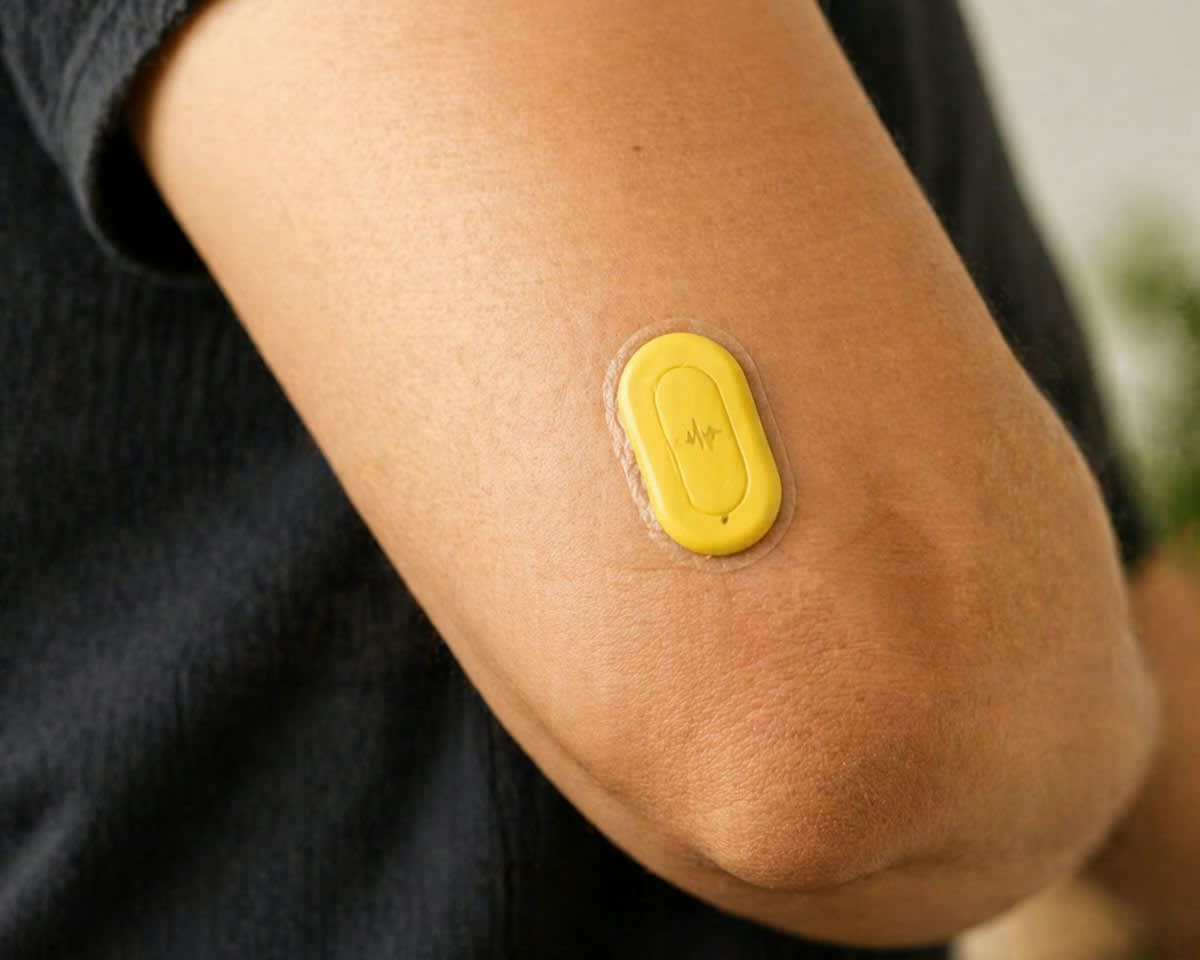
How do we actually detect a disease before the patient feels it? The answer lies in the biochemistry of sweat and the electrical impedance of tissue. New 3D-printed monitors can now reliably measure biochemicals in sweat during physical exercise, providing a non-invasive window into the body's internal state (Source: ScienceDaily, 2024). By tracking these markers continuously, the system identifies deviations from a baseline—shifts that are mathematically significant but biologically silent. The sensor doesn't wait for the patient to feel ill; it waits for the chemistry to change.
However, the path to total accuracy is fraught with technical friction. While wearable electronic devices are being deployed to monitor blood glucose levels (BGLs) for diabetes patients, they often struggle with measurement errors due to limited size and power constraints (Source: ScienceDaily, 2024). This is the central debate currently happening in the labs: how to balance the miniaturization of the sensor with the power requirements needed for high-fidelity data. The industry is not fighting a lack of imagination, but a battle against signal-to-noise ratios.
| Technology Type | Primary Biomarker/Signal | Clinical Application | Key Constraint |
|---|---|---|---|
| 3D-Printed Sweat Monitor | Biochemicals in sweat | Real-time health tracking | Exercise-dependency |
| Smart Wound Dressings | Exudate & Impedance | Sub-surface infection detection | Hospital formulary adoption |
| Wrist-based Lab Chip | Vital Biomarkers | Continuous disease screening | Cost-to-scale ratio |
| BGL Wearables | Blood Glucose | Diabetes management | Power/Size errors |
This technical evolution is mirrored by a massive capital influx. The wearable biosensors market is projected to grow from US$ 29,648.8 Million in 2023 to US$ 65,400.2 Million by 2033, expanding at a compound annual growth rate (CAGR) of 8.2% (Source: OpenPR, 2026). This isn't venture capital speculation; it is a strategic pivot by pharmaceutical and medical device giants toward minimally invasive drug administration and continuous measurement. The market is betting that the future of medicine is a patch, not a pill.
From Wound Care to Global Surveillance
Perhaps the most immediate application of this technology is in chronic wound management. Conventional gauze is opaque; it hides the wound bed until severe tissue necrosis develops, often requiring the manual removal of bandages that strips fragile regenerating epithelium (Source: Future Market Insights, 2024). Smart dressings change this by using calibrated impedance sensing and real-time exudate tracking to alert clinicians to sub-surface infection triggers days before the damage becomes visible to the human eye.
"Continuous biomarker telemetry transforms chronic ulcer care by alerting community nurses to sub-surface infection triggers days before macroscopic tissue necrosis develops. Securing dedicated outpatient reimbursement codes and separating reusable transmitters from disposable patches remain essential for hospital formulary adoption."— Anurag Sharma, Principal Consultant at Future Market Insights
This is where the academic promise meets the grinding reality of healthcare administration. As a practitioner in this space, I have seen the internal friction: the technology works, but the reimbursement models do not. The debate isn't about the sensor's ability to detect an infection; it's about whether a hospital will pay for a reusable transmitter versus a disposable patch. We are fighting a legacy billing system that only knows how to pay for a doctor's time, not for a sensor's data. This is the invisible wall that slows the adoption of life-saving telemetry.
The rollout of these systems is already becoming a global phenomenon, though the implementation varies by region. In May 2025, Medtronic established a European distribution agreement for Corsano's multi-parameter wearable, while iRhythm introduced its Zio continuous monitoring service in Japan (Source: OpenPR, 2026). These moves indicate that the infrastructure for prescription-based cardiac and physiological surveillance is being built on a global scale, moving the point of care from the hospital to the home.
The Economic Trajectory of the Wearable Patch
If we look at the numbers, the trajectory is clear. The wearable patch market alone is expected to reach USD 27.1 billion by 2035 (Source: OpenPR, 2026). This growth is driven by the demand for biocompatible materials that can stay on the skin without causing irritation while maintaining a high-fidelity connection to the interstitial fluid. We are no longer talking about a fitness tracker; we are talking about a medical-grade interface that exists as a second skin.
Projected Growth of the Wearable Biosensor Market (2023-2033)
Executive Insight
+18.4%
YTD Growth
Why does this matter for the average person? Because it removes the human error of symptom reporting. Patients are notoriously bad at describing the onset of a disease; they ignore the early signs or misinterpret them. A sensor does not ignore a 0.5% shift in a specific protein level in the sweat. By the time a patient thinks, I feel a bit off, the sensor has already flagged the anomaly and alerted the provider. This is the transition from reactive medicine to predictive maintenance for the human body.
The real question is not whether the technology can detect disease before symptoms appear—the data from Cambridge and the WUWHS consensus already suggest it can (Source: ScienceDaily, 2024; Future Market Insights, 2024). The real question is whether our healthcare systems are resilient enough to handle the flood of data. If every citizen has a real-time biomarker feed, the current primary care model will collapse under the weight of the alerts. We will need a new layer of AI-driven triage to separate the noise from the true pathology.
Fact-Check & Accuracy Note
Key claims regarding the $10 wrist chip and sweat monitoring are sourced from ScienceDaily (2024). Market valuations and regional expansions (Medtronic, iRhythm) are attributed to OpenPR (2026). Smart wound dressing efficacy and the WUWHS consensus are sourced from Future Market Insights (2024). Ongoing debates persist regarding the power-to-size ratio in BGL monitors and the integration of telemetry into standard hospital reimbursement codes.
Editorial Note
Editorial Note: While the user inquired about 'microwave tattoo sensors,' the current verifiable research focuses on 'wearable patches,' 'stretchable sensors,' and 'biocompatible interfaces.' This article treats the 'tattoo' concept as a conceptual evolution of the wearable patch technology documented in the provided research data.