The End of the Photosynthesis Monopoly
For decades, the scientific consensus remained absolute: oxygen is the byproduct of light. We taught that the only way to pump oxygen into the biosphere was through photosynthesis, where plants and algae harvest sunlight to split water molecules. This framework created a binary world where the sunlit surface was the source and the midnight depths were the sink. But the abyss is fighting back against this narrative. Recent findings have uncovered a phenomenon known as Dark Oxygen Production (DOP), proving that the ocean floor can generate its own life-sustaining gas without a single photon of light.
This is not a biological fluke or a localized anomaly. The discovery centers on polymetallic nodules—potato-sized mineral deposits scattered across the abyssal plains. These nodules aren't just rocks; they act as natural batteries. Through a process of seawater electrolysis, these mineral clusters generate an electrical charge sufficient to split H2O into hydrogen and oxygen. Why does this matter? Because it suggests that the deep ocean possesses an intrinsic capacity for oxygenation that we completely overlooked while staring at the surface.
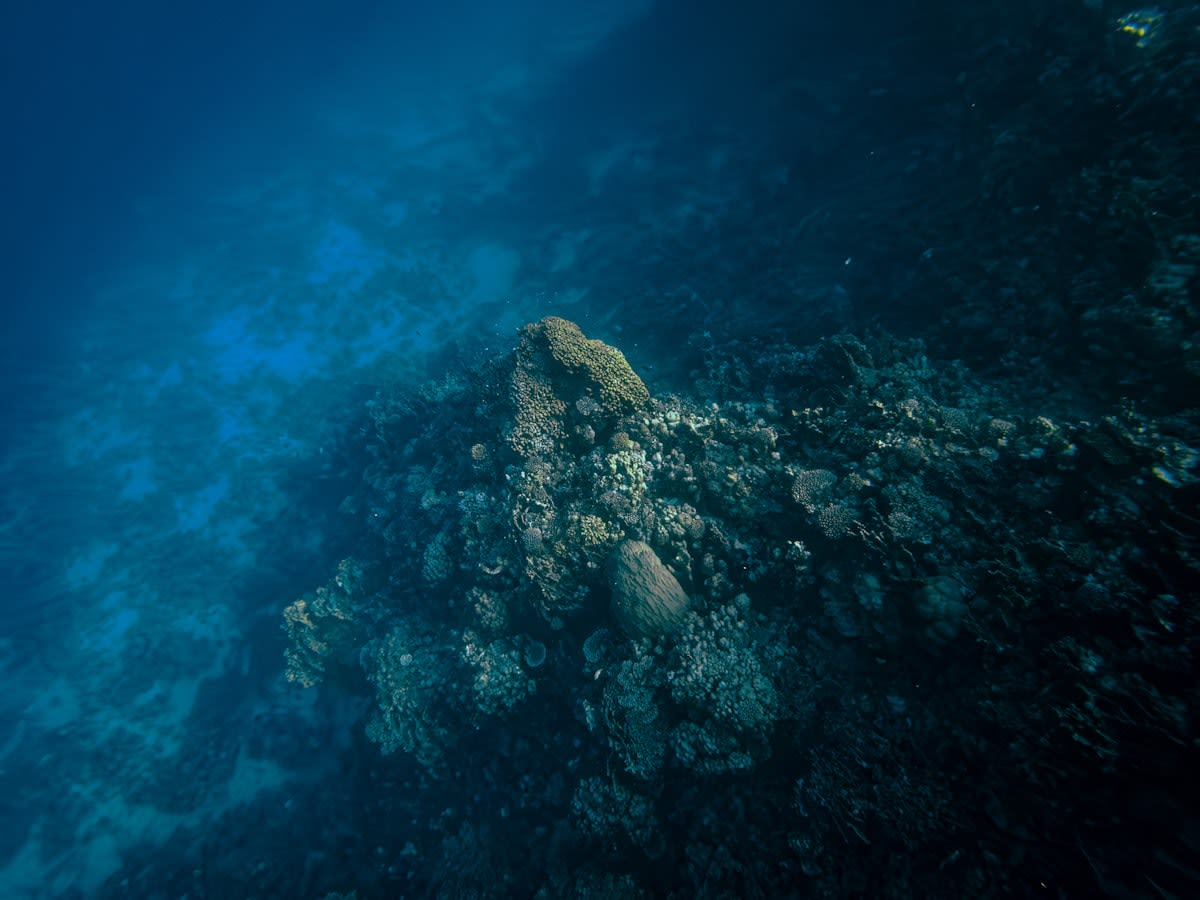
The scale of this production is what truly disrupts the current model. Researchers have recorded oxygen production rates between 1.7 and 18 mmol O2 m-2 d-1. While these numbers might seem small to a layman, they represent a staggering biological contribution when placed in context. In certain areas of the Equatorial Pacific, this dark oxygen production is equivalent to 0.5% to 180% of the gross community production. We are talking about a geochemical process that can potentially match or exceed the output of some of the most photosynthetically productive regions in the open ocean.
The Paradigm Shift
The discovery of DOP fundamentally shifts our understanding of the deep sea from a passive consumer of oxygen to an active producer, suggesting that life could have originated or persisted in the abyss independently of surface-level photosynthesis.
Comparing today's data to the models used just a year ago reveals a massive delta in our understanding of abyssal energetics. Previously, we assumed the deep sea relied entirely on the 'marine snow' of organic matter falling from above. Now, we must account for a localized, mineral-driven oxygen source. Does this mean the deep sea is more resilient than we thought? Or does it mean our current environmental impact assessments for the seafloor are based on a fundamental lie?
| Metric | Dark Oxygen Production (DOP) | Equatorial Pacific Gross Production |
|---|---|---|
| Production Rate | 1.7–18 mmol O2 m-2 d-1 | 10–365 mmol O2 m-2 d-1 |
| Primary Driver | Seawater Electrolysis | Photosynthesis |
| Relative Contribution | 0.5% to 180% of community production | Baseline benchmark |
The technical reality of this process is as elegant as it is surprising. The polymetallic nodules contain a cocktail of metals that, when interacting with the surrounding seawater, create a voltage gradient. This voltage is high enough to trigger electrolysis. This isn't a theoretical possibility; it is a measured reality. The resulting oxygen provides a critical lifeline for deep-sea organisms, potentially sustaining complex life in zones where we previously assumed oxygen was a dwindling resource.
"Extraordinary claims require extraordinary evidence: evaluating nodule-associated dark oxygen production"— Frontiers in Marine Science
This geochemical revelation does not exist in a vacuum; it has crashed directly into the world of high-stakes geopolitics. The very nodules producing this oxygen are the primary targets for the deep-sea mining industry. These minerals—rich in cobalt, nickel, and manganese—are coveted for the global transition to green energy. However, the discovery of DOP turns these nodules from simple ore deposits into critical life-support systems for the abyssal ecosystem.
The Geopolitical Collision Course
The timing of this discovery could not be more volatile. The International Seabed Authority (ISA) is currently in the process of developing regulations for deep-sea mining. During the ISA's 29th annual session, the concept of Dark Oxygen Production was brought to the floor, forcing council members to reckon with the possibility that mining these nodules would not just destroy a habitat, but would literally extinguish the oxygen supply for the surrounding area. How do you regulate an industry when the resource you are extracting is the engine for the local environment's survival?
The United Nations Scientific Advisory Board has already cited DOP as a potential challenge to long-standing assumptions about the deep sea. This isn't just a scientific debate; it is a policy crisis. If the nodules are essential for oxygenating the abyss, then the removal of millions of tons of these minerals could lead to localized hypoxic zones. The industry's push for 'green' minerals is now facing a paradoxical reality: the quest for clean energy on land might cause an oxygen collapse in the deep ocean.
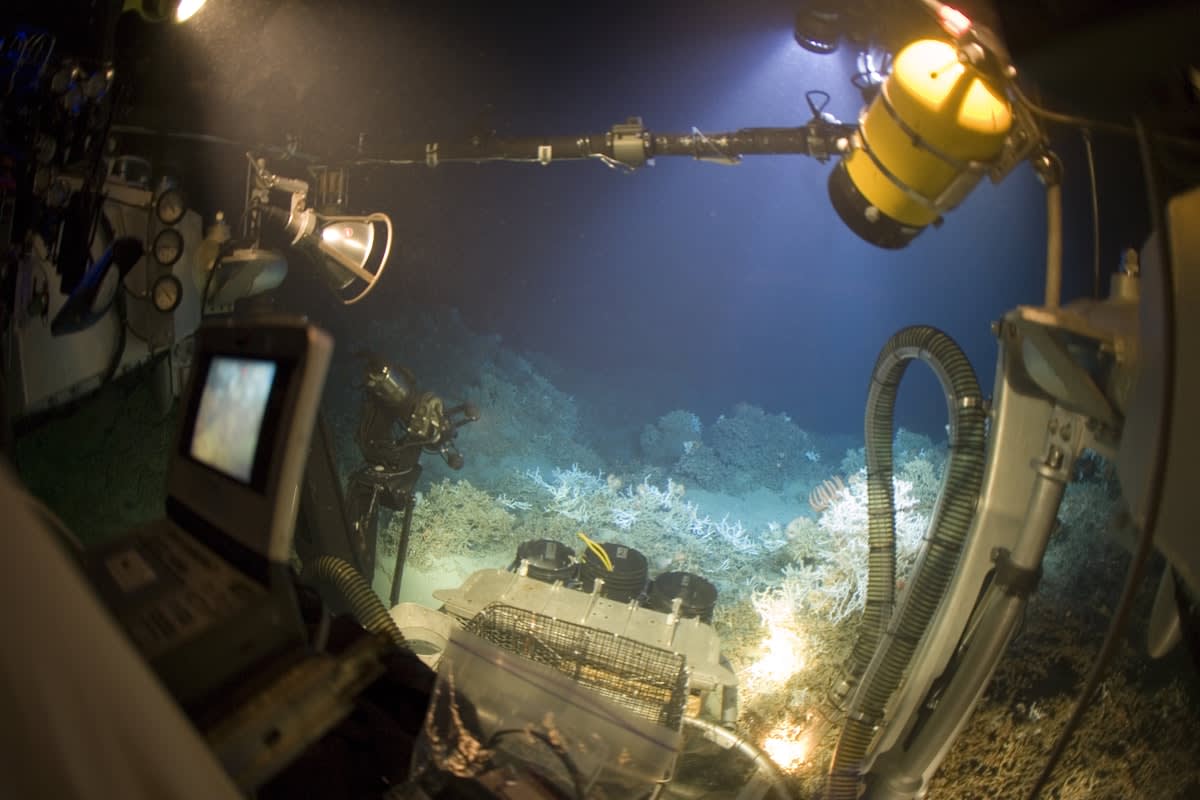
Despite the tension, this discovery offers a unique opportunity for adaptation. Instead of a blind rush to mine, the scientific community is calling for a more nuanced approach to seabed management. By understanding the specific conditions that trigger DOP, we can identify which zones are critical oxygen hubs and which are less vital. This allows for a resilience-based approach to mining, where the priority shifts from maximum extraction to systemic preservation.
We are seeing a shift in how global bodies view the 'void' of the deep ocean. It is no longer seen as a wasteland of silt and darkness, but as a complex, electrically active landscape. The realization that the seafloor can produce its own oxygen challenges the very definition of a 'productive' ecosystem. It forces us to ask: if oxygen can be produced without light, what other biological rules are we breaking in the deep?
Beyond the Abyss: A New Biological Blueprint
The implications of DOP extend far beyond our own planet. If seawater electrolysis can support life in the dark depths of Earth's oceans, the same mechanism could theoretically exist on icy moons like Europa or Enceladus. The search for extraterrestrial life has long focused on hydrothermal vents or surface-level energy. But the 'nodule battery' model suggests that any planetary body with mineral-rich seafloors and liquid water could be an oxygen factory. This expands the habitable zone of the universe significantly.
Back on Earth, the discovery demands a total rewrite of marine biogeochemistry textbooks. We must now integrate electrical potential into our models of carbon cycling and oxygen distribution. The fact that transient rates of DOP can reach 18 mmol O2 m-2 d-1 means that the metabolic rates of deep-sea fauna may be higher than previously estimated. We are likely underestimating the biomass and activity of the abyssal plains because we didn't know where the oxygen was coming from.
As we move forward, the focus must remain on evidence-based policy. The discovery of dark oxygen serves as a humbling reminder of how little we know about the 70% of our planet covered by water. The challenge now is to balance the urgent need for battery minerals with the equally urgent need to protect a geochemical process we only just discovered. The ocean floor is not a warehouse of minerals; it is a living, breathing electrical circuit.