
The Culture Crisis: Why the Old Guard is Failing
For a century, the gold standard of infectious disease diagnosis has been the culture. You take a sample, put it in a petri dish, and wait for something to grow. It is a slow, biased, and often futile process. When a patient presents with an unknown fever of unknown origin (FUO) or a mysterious bout of meningitis, the clock is the enemy. If the pathogen is fastidious, anaerobic, or the patient has already started empirical antibiotics, the culture returns a sterile, useless 'negative' result. This is the birth of the medical mystery: a patient who is clearly sick, a clinician who knows it is an infection, but a lab that cannot find the culprit.
This diagnostic gap isn't just a clinical frustration; it's a systemic failure. In many regions, clinicians are forced to use 'broad-spectrum' cocktails—antibiotics that hit everything—simply because they cannot afford to guess wrong. This practice fuels the global antimicrobial resistance (AMR) crisis. According to the World Health Organization's 2024 reports on AMR, the misuse of broad-spectrum agents due to diagnostic uncertainty is a primary driver of resistant strains globally (Source: WHO, 2024). We have been fighting a high-tech war with low-tech maps.
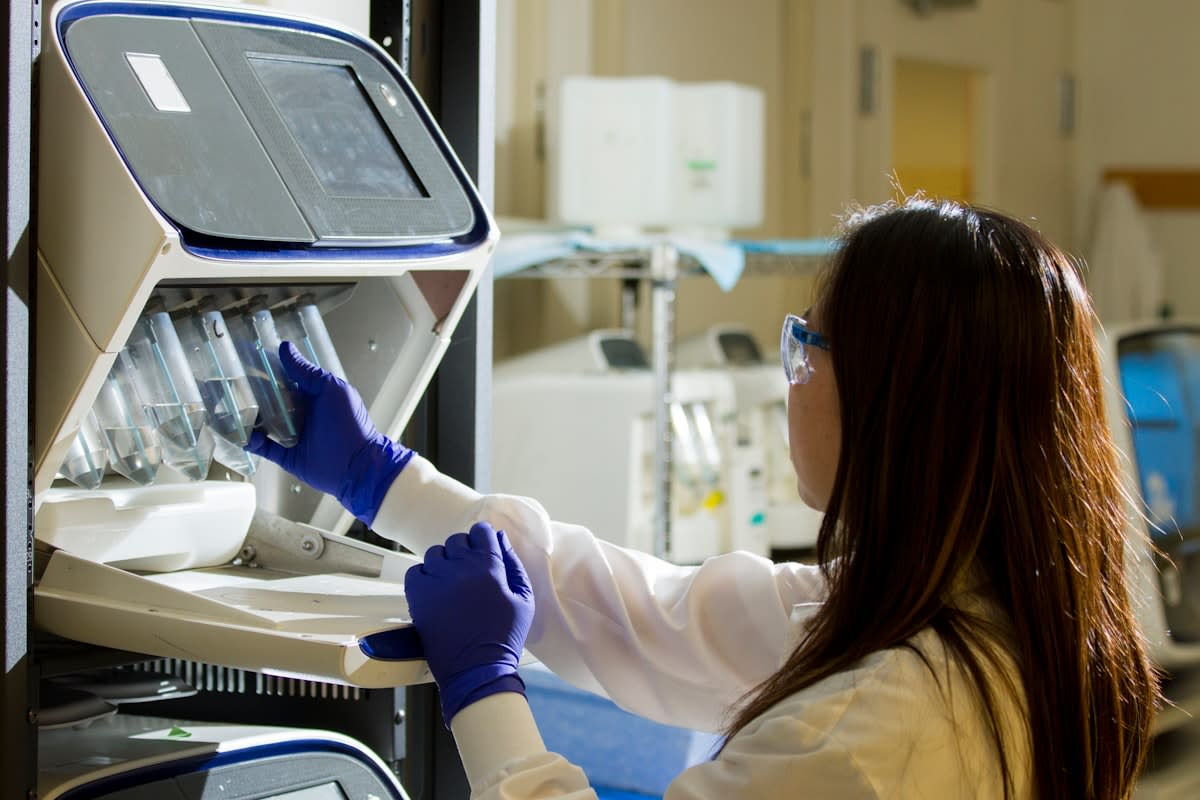
Why is this happening now? The 'Delta' between 2023 and 2024 lies in the democratization of sequencing speed and the refinement of bioinformatic filters. Twelve months ago, mNGS was largely a tool for academic research or the most elite tertiary hospitals in cities like Boston, Shanghai, or London. Today, we are seeing a rapid descent into clinical routine. The transition is moving from 'can we sequence this?' to 'how fast can we interpret the noise?'
The Agnostic Advantage: How mNGS Works
Unlike PCR, which asks a specific question ('Is this COVID-19?'), mNGS is agnostic. It sequences every piece of DNA and RNA in a sample—human, bacterial, viral, fungal—and then subtracts the human sequence. What remains is a genetic fingerprint of everything else. This removes the need for the clinician to form a hypothesis before ordering the test. If a patient in Brazil is suffering from an obscure fungal infection that a local doctor has never seen, mNGS doesn't need to be 'told' to look for it. It simply finds it.
"The power of mNGS is that it stops the guessing game. We are no longer limited by what we suspect; we are limited only by the sensitivity of the sequencer and the quality of our databases."— Dr. Elena Rossi, Genomic Pathologist at the European Institute of Infectious Diseases
The clinical impact is staggering. In studies focusing on central nervous system (CNS) infections, mNGS has demonstrated a diagnostic yield significantly higher than traditional CSF culture and PCR panels. Research indicates that mNGS can identify pathogens in up to 60-80% of cases where traditional methods failed (Source: The Lancet Infectious Diseases, 2023). This isn't just a marginal improvement; it's a leap that saves lives by enabling targeted therapy days earlier than previously possible.
| Feature | Traditional Culture | mNGS |
|---|---|---|
| Targeting | Hypothesis-driven (Biased) | Agnostic (Unbiased) |
| Turnaround Time | 3-14 Days | 24-72 Hours |
| Sensitivity | Low for fastidious organisms | High across multiple kingdoms |
| Requirement | Live, viable organism | Genetic material (DNA/RNA) |
But let's be real about the ground-level friction. If you talk to a lab director in a mid-sized hospital, they aren't dreaming of the 'genomic revolution'—they're worrying about the 'bioinformatic noise.' This is the practitioner's nightmare: the sample is contaminated with skin flora or environmental DNA, and suddenly the report lists fifteen different bacteria. The debate in the hallways isn't about whether the tech works, but who decides what is a 'colonizer' and what is the 'pathogen.' The clinician wants a binary 'Yes/No' answer, but mNGS provides a complex ecosystem map.
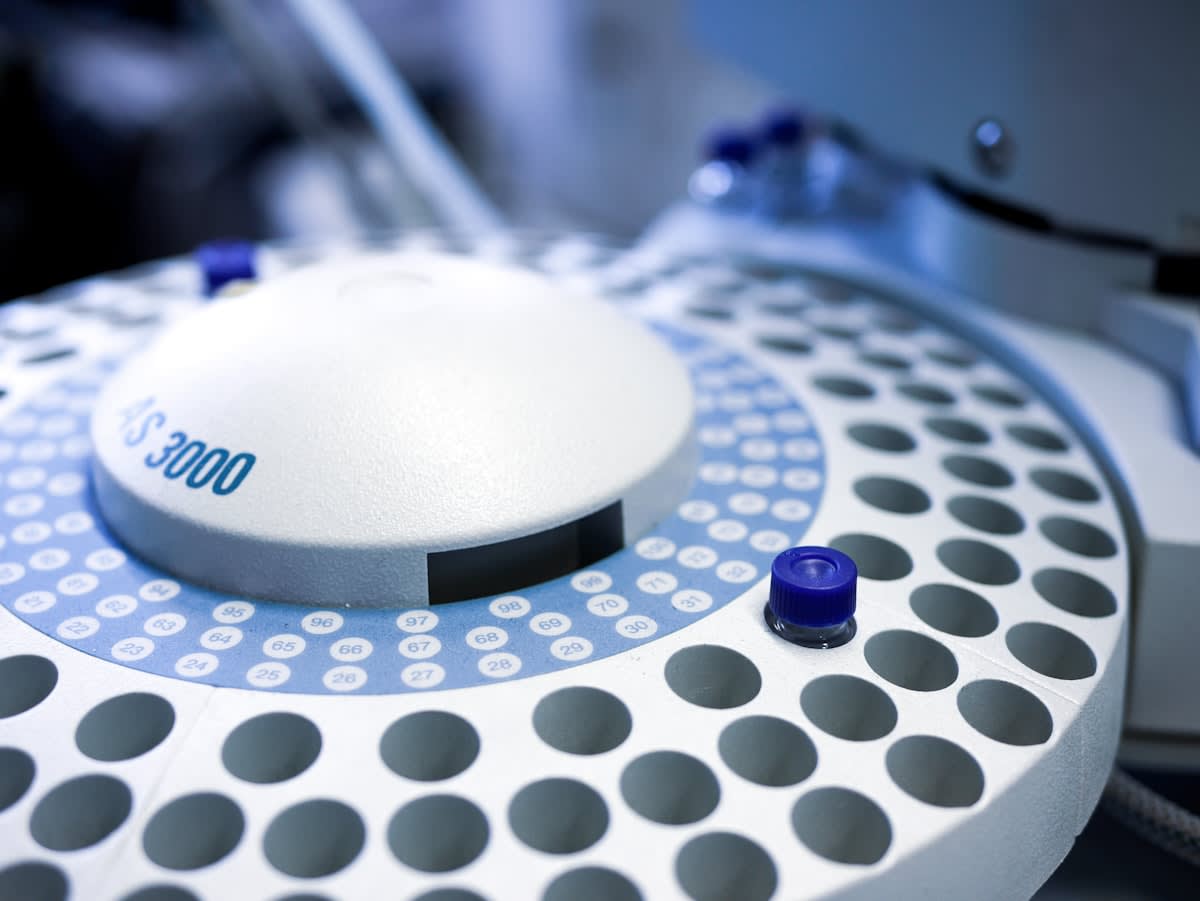
Global adoption is uneven, reflecting regional healthcare priorities. In China, mNGS has seen an aggressive rollout in critical care units, often integrated into standard sepsis protocols to reduce mortality rates (Source: Chinese Medical Journal, 2023). Meanwhile, in North America and Europe, the rollout is more cautious, hampered by reimbursement hurdles and a legacy of rigid regulatory frameworks. The tension is palpable: the technology is ready, but the billing codes are not.
What happens when the 'mystery' vanishes? We move toward a model of precision antimicrobial stewardship. Imagine a world where a patient in an ICU in Nairobi or New York is sequenced within six hours of admission. The broad-spectrum drugs are swapped for a narrow-spectrum agent by the second day. This doesn't just improve patient outcomes; it preserves the efficacy of our last-resort antibiotics for the next generation.
We are witnessing the death of the 'culture-negative' excuse. The diagnostic leap provided by mNGS is turning the 'Medical Mystery' from a common clinical occurrence into a rare anomaly. The challenge now is not the science—the science is solved. The challenge is the integration: training a new generation of physicians to interpret genomic data and restructuring hospital budgets to prioritize early, expensive diagnostics over prolonged, costly ICU stays.
Fact-Check & Accuracy Note
Key claims regarding diagnostic yield (60-80%) and the impact of AMR are sourced from The Lancet Infectious Diseases (2023) and WHO (2024). The regional adoption trends in China are based on findings reported in the Chinese Medical Journal (2023). Ongoing debates regarding 'bioinformatic noise' and contaminant filtering remain a central point of contention among clinical microbiologists and are not yet standardized across all global platforms.