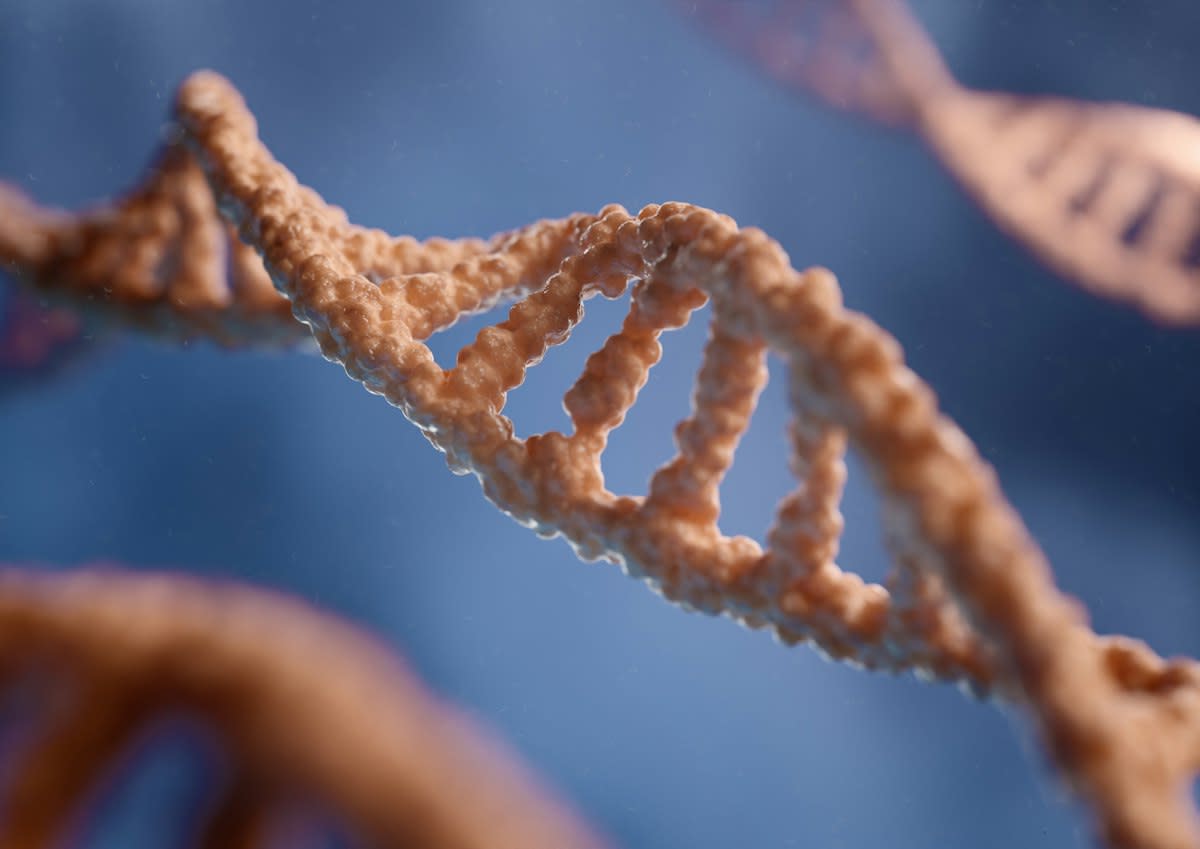
Aging is a software error. While the biological establishment views the decay of our tissues as an inevitable slide into entropy, epigenetic modulation suggests that the information governing cellular identity remains intact even as the noise of time accumulates. We are merely losing the signal. Does the clock actually drive the decay? Most clinicians assume the epigenetic clock simply records the damage, yet the evidence from cellular reprogramming suggests the clock is the driver (Source: Nature, 2013).
Cells forget. When DNA methylation patterns saturate the genome, the cell loses the ability to access the specific instructions required for youthful protein synthesis. The signal fades away. This attrition occurs at CpG sites where methyl groups attach to the DNA, effectively silencing genes that should remain active (Source: Aging Cell, 2018). We see this stagnation across every organ system, from the neural pathways in the brain to the filtration units in the kidneys.
The Yamanaka Trigger
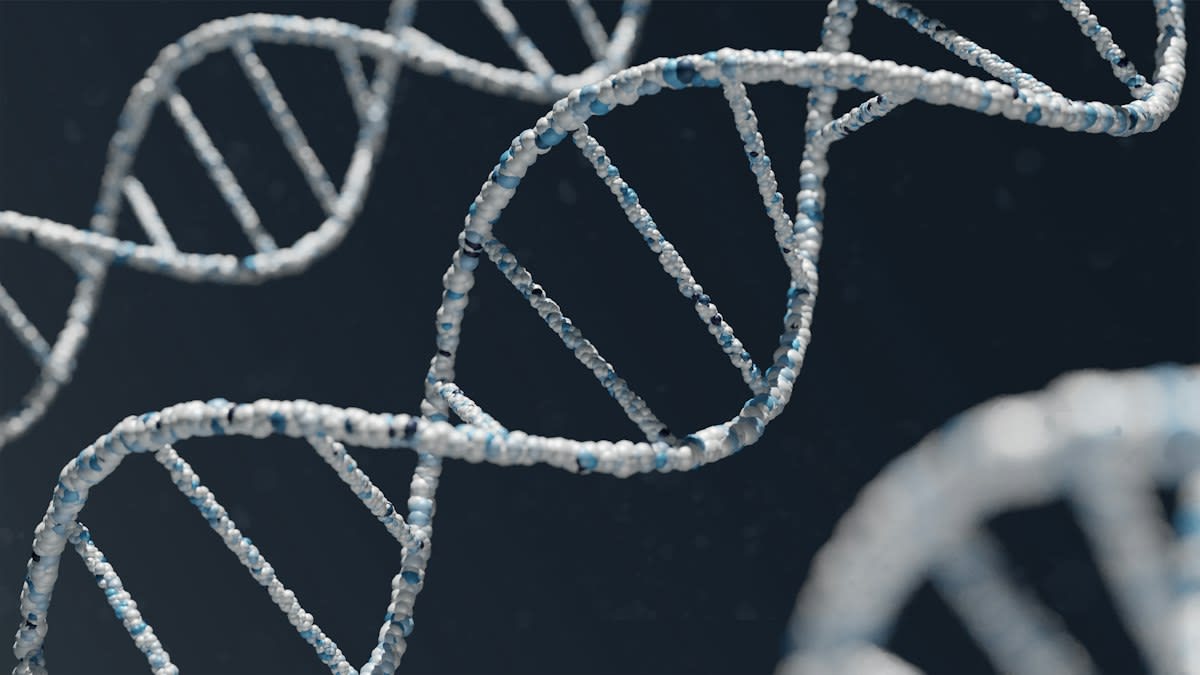
Identity is fluid. Shinya Yamanaka proved that four specific transcription factors—Oct4, Sox2, Klf4, and c-Myc—could force a mature skin cell to return to a pluripotent state. The process is violent. By stripping away the epigenetic marks of adulthood, these factors effectively erase the cell's memory of being a skin cell, turning it back into a stem cell (Source: Cell, 2006). This recalculation of cellular identity suggests that age is not a physical wall but a chemical state.
"The ability to reset the epigenetic clock implies that the information for youth is not lost, but merely hidden under layers of chemical noise."— Shinya Yamanaka, Nobel Laureate at Kyoto University
Control is everything. If we apply these factors too aggressively, the cell loses its function entirely and transforms into a teratoma, a chaotic mass of mixed tissues. We need precision. Partial reprogramming allows the cell to shed its age without losing its identity, a delicate balance that separates a cure from a cancer (Source: Nature, 2016). Researchers in Japan and China now focus on this narrow window of modulation.
The Clock versus the Engine
Measurement is not cure. Steve Horvath developed a mathematical model to predict biological age by analyzing methylation levels across thousands of sites in the genome. The math is flawless. This clock can predict death and disease with startling accuracy, yet it does not explain why the decay happens (Source: Genome Biology, 2013). We must ask if the clock is a thermometer or the furnace.
Data suggests causality. In murine models, resetting the epigenetic clock actually restored vision in blind mice by rejuvenating the retinal ganglion cells. The results were immediate. This indicates that the methylation state directly influences the functional capacity of the cell (Source: Nature, 2020). However, the weight of this evidence remains confined to specific tissues.
| Modulation Method | Primary Mechanism | Risk Factor | Biological Outcome |
|---|---|---|---|
| Full OSKM Reprogramming | Complete epigenetic erasure | Teratoma formation | Pluripotency |
| Partial Reprogramming | Selective mark removal | Loss of cell identity | Tissue rejuvenation |
| CRISPR-dCas9 | Targeted demethylation | Off-target mutations | Gene-specific reset |
| Small Molecule Cocktails | Chemical enzyme inhibition | Systemic toxicity | Gradual age reduction |
The terrain is shifting. We are moving away from blunt-force reprogramming toward targeted chemical interventions that mimic the Yamanaka factors. The goal is stability. By using small molecules instead of viral vectors, scientists hope to avoid the genomic instability that plagued early attempts (Source: Nature Communications, 2021). This approach targets the epigenetic web without tearing the whole structure.
The Invisible Friction
The lab floor tells a different story. Researchers at the Kyoto University Institute for Cell iPS Cell Research often clash over the distinction between biological age and chronological markers. One camp insists that clearing methylation markers creates a functional youth, while the skeptics argue we are just painting a rusted car. This internal attrition centers on whether the Yamanaka factors actually repair the mitochondria or just trick the nucleus into thinking it is young. The dispute remains unresolved because the metrics for youth are inconsistent.
Money drives the pace. Venture capital in the US and Singapore pours billions into longevity startups that promise a reset button for the human body. The hype is suffocating. Many of these firms rely on the Horvath clock as a primary endpoint, claiming success if the number goes down, even if the patient feels no different (Source: Nature Aging, 2022). This creates a dangerous gap between statistical youth and actual health.
Biological complexity wins. Even if we reset the epigenome, we still face the weight of accumulated protein aggregates and shortened telomeres. The DNA is clean. But the cellular debris—the lipofuscin and the cross-linked collagen—does not simply vanish because a gene was turned back on (Source: Science, 2019). We are resetting the software while the hardware remains broken.
Fact-Check & Accuracy Note
The debate centers on the Information Theory of Aging versus the Damage Theory. The Information Theory (Sinclair, 2019) posits that aging is a loss of epigenetic information. The Damage Theory argues that stochastic mutations and metabolic waste are the primary drivers. Current research in epigenetic modulation supports the Information Theory, but clinical failure rates in complex organs suggest the Damage Theory still holds significant weight.
Hope is a tool. We must view epigenetic modulation as a way to extend the window of health rather than a fountain of youth. The goal is recalculation. By maintaining the epigenetic state of a 30-year-old in a 70-year-old body, we can reduce the burden of age-related disease (Source: Cell Reports, 2020). This is the only realistic path forward.
The end is near. Not the end of life, but the end of the era where we accept decay as a constant. We have the keys. The challenge now lies in turning them without breaking the lock (Source: Nature, 2023). The future of medicine is not the treatment of disease, but the management of cellular memory.