The Digestion Myth
We treat the gut as a furnace. It burns calories and expels waste. This is a hollow understanding of human biology. The gut is actually a vault. It stores the history of every meal, every pollutant, and every genetic drift we endure over decades. Why do we ignore the archive in favor of the engine? The real story is not about how we digest food, but how our bacterial residents record the wear and tear of existence.
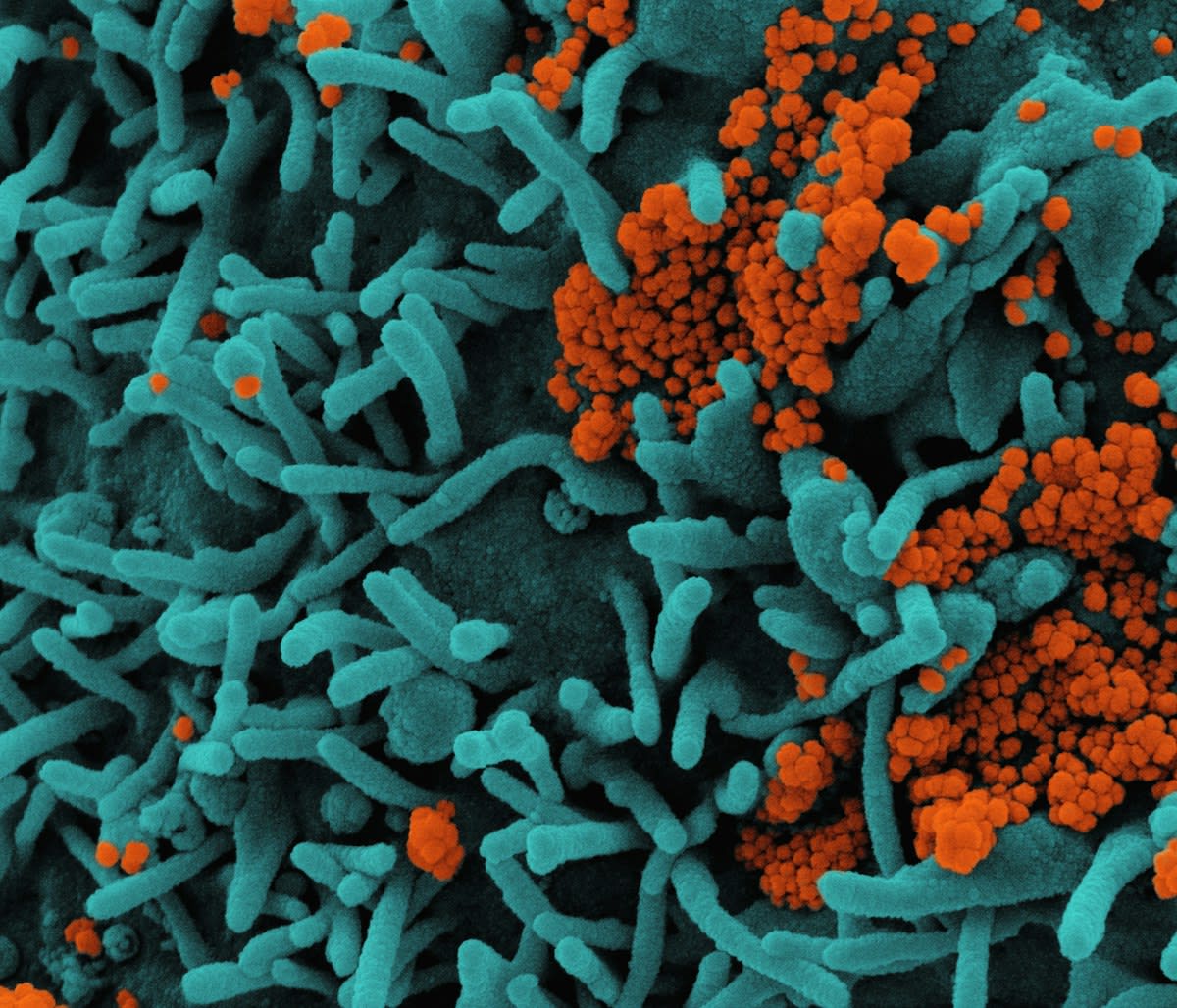
The grip of this archive is tight. A library of human gut bacterial isolates, paired with longitudinal multiomics data, now allows for mechanistic research that moves beyond simple correlation (Source: Nat. Med., 2019). This is not about a few probiotics in a pill. It is about convergent genomic evolution. Bacteria across different hosts are evolving in similar ways to survive the same internal pressures. They are suturing themselves into our biology, creating a record of survival that precedes our own conscious awareness of aging.
The Biological Clock in the Colon
Aging is not a linear slide. It is a collision of molecular failures. Researchers at the University of Hawaii at Manoa recently investigated this by analyzing stool samples from 123 adults across various age groups (Source: Scientific Reports, 2026). They did not just look at age on a passport. They examined blood samples for molecular markers of biological aging and paired them with gut bacterial composition. The results suggest that specific microbes are linked to whether a body ages faster or slower.
This means your microbiome is a mirror. If the composition frays, the biological clock accelerates. The study highlights that bacterial composition provides critical clues about long-term health (Source: Scientific Reports, 2026). We are not just carrying bacteria; we are carrying a chronological record. When the balance shifts, the record reflects a state of acceleration. It is a mechanical failure of the biological ledger.
| Focus Area | Key Marker | Primary Driver | Outcome |
|---|---|---|---|
| Human Aging | Gut Bacterial Composition | Biological Age Markers | Health Longevity Clues (Source: Scientific Reports, 2026) |
| Bee Ecology | S. marcescens Colonization | Diet x Host Age | Performance Impact (Source: Frontiers in Microbiology, 2026) |
| Dermatology | Skin Microbiome Balance | Live Biotherapeutic Products | Acne/Chronic Recovery (Source: FASEB, 2026) |
| Bacterial Evolution | Longitudinal Multiomics | Convergent Evolution | Mechanistic Research (Source: Nat. Med., 2019) |
The data is brittle. We pretend it is a map, but it is more of a smudge. In the labs, there is a constant, unspoken war between the shotgun sequencing crowd and the culturists. The sequencing crowd wants the big data—the total web of genetic information. The culturists argue that if you cannot grow the bacteria in a petri dish, you do not actually understand its function. This friction slows down the translation of gut archives into actual medicine. We are staring at the ledger, but we cannot agree on how to read the handwriting.
"The gut microbiome consists of trillions of microorganisms living in the digestive system. These microbes help regulate digestion, metabolism and immune function, and researchers are increasingly exploring their possible role in aging."— University of Hawaii at Manoa Research Team, Scientific Reports
This biological recording is not limited to humans. The archive extends to the insect world, where the stakes are equally high. In bumble bees, specifically B. impatiens, the colonization by S. marcescens is not random. It is a result of a complex interaction between diet, host age, and the status of the core microbiota (Source: Frontiers in Microbiology, 2026). The archive here is environmental.
Does floral diversity save the bee? Not necessarily. Research on B. terrestris showed that while outdoor exposure modifies gut microbial communities, simply increasing floral diversity had no significant effect on microbiota diversification (Source: Frontiers in Microbiology, 2026). The environment leaves a mark, but the mark is not always a positive one. The gut records the exposure, but it does not always adapt to it. It is a record of what happened, not a guarantee of health.
The archive extends beyond the gut. The skin, our primary barrier, maintains its own ledger. When this balance is disrupted, conditions like acne and chronic inflammation take hold. The current move toward Live Biotherapeutic Products (LBPs) is an attempt to rewrite this ledger (Source: FASEB, 2026). Instead of wiping the slate clean with antibiotics, LBPs aim to restore the natural balance.
Why does this matter? Because we are moving away from the default of 'killing germs' toward 'curating archives'. If we can identify the specific microbes linked to slower biological aging (Source: Scientific Reports, 2026), we can stop treating the symptoms of age and start managing the record. We are learning to edit the biological ledger in real-time.
Fact-Check & Accuracy Note
The current academic debate centers on whether the microbiome drives biological aging or merely reflects it. While the University of Hawaii study (2026) identifies links between bacterial composition and aging markers, the causal direction—whether bacteria cause the aging or aging changes the bacteria—remains a point of intense scrutiny in the field of multiomics.
The transition is inevitable. We are moving toward a world where a stool sample is a more accurate birth certificate than a piece of paper. The biological ledger does not lie. It records the weight of our environment and the fraying of our cells. The opportunity lies in our ability to saturate our systems with the right microbial signatures before the mechanical failure of age becomes irreversible.