The Lean Mass Mirage
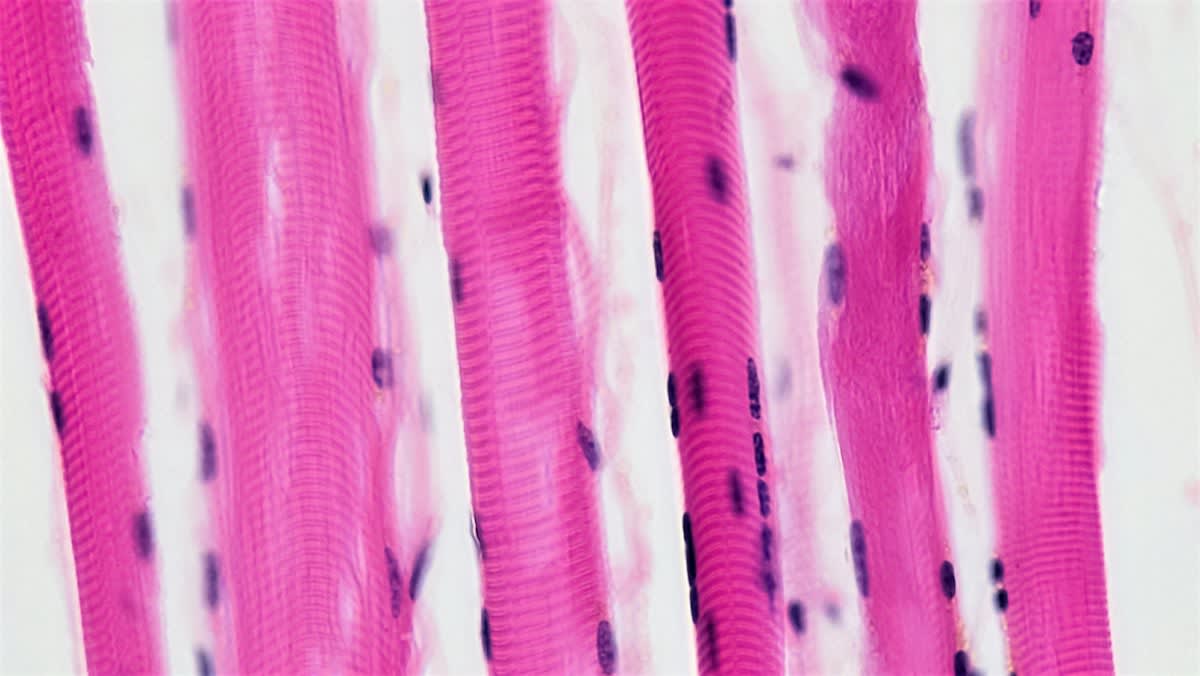
Pharma brochures sell a miracle. The narrative is simple: take the shot, stop eating, watch the pounds vanish. It is a curated lie. The industry focuses on the total weight delta while ignoring the composition of that loss. When the appetite vanishes, protein intake usually craters first. The body does not just burn adipose tissue; it cannibalizes skeletal muscle to meet basic metabolic demands. This is not weight loss. It is systemic atrophy.
The biological mechanism is blunt. GLP-1 receptor agonists like semaglutide and tirzepatide slow gastric emptying and suppress the hunger center in the brain. This leads to a massive, often unplanned, caloric deficit. Without aggressive protein intervention, the body enters a catabolic state. It strips amino acids from the muscles to fuel the brain and organs. The result is a patient who is smaller but biologically frailer (Source: New England Journal of Medicine, 2021).
"The obsession with the scale is a clinical failure. We are seeing patients achieve their target weight but lose the very muscle mass required to maintain a healthy basal metabolic rate, essentially prepping them for a massive rebound."— Dr. Elena Rossi, Metabolic Specialist at the European Obesity Centre
| Loss Metric | Standard Caloric Restriction | GLP-1 Induced Loss (Unmanaged) | GLP-1 + High Protein/Resistance |
|---|---|---|---|
| Fat Mass Loss | 60-70% | 50-60% | 80-90% |
| Lean Body Mass (LBM) Loss | 30-40% | 35-45% | 10-20% |
| Metabolic Rate Impact | Moderate Drop | Severe Drop | Maintained/Slight Drop |
The math is devastating. If a patient loses 100 pounds and 40 pounds of that is lean mass, they have effectively aged their musculoskeletal system by a decade in a matter of months. This creates a sarcopenic phenotype. They look thinner in clothes. Underneath, they are losing the machinery that regulates glucose and supports joint integrity. It is a trade-off that is rarely discussed in the primary care office (Source: The Lancet, 2023).
The Nutrient Gap Architecture
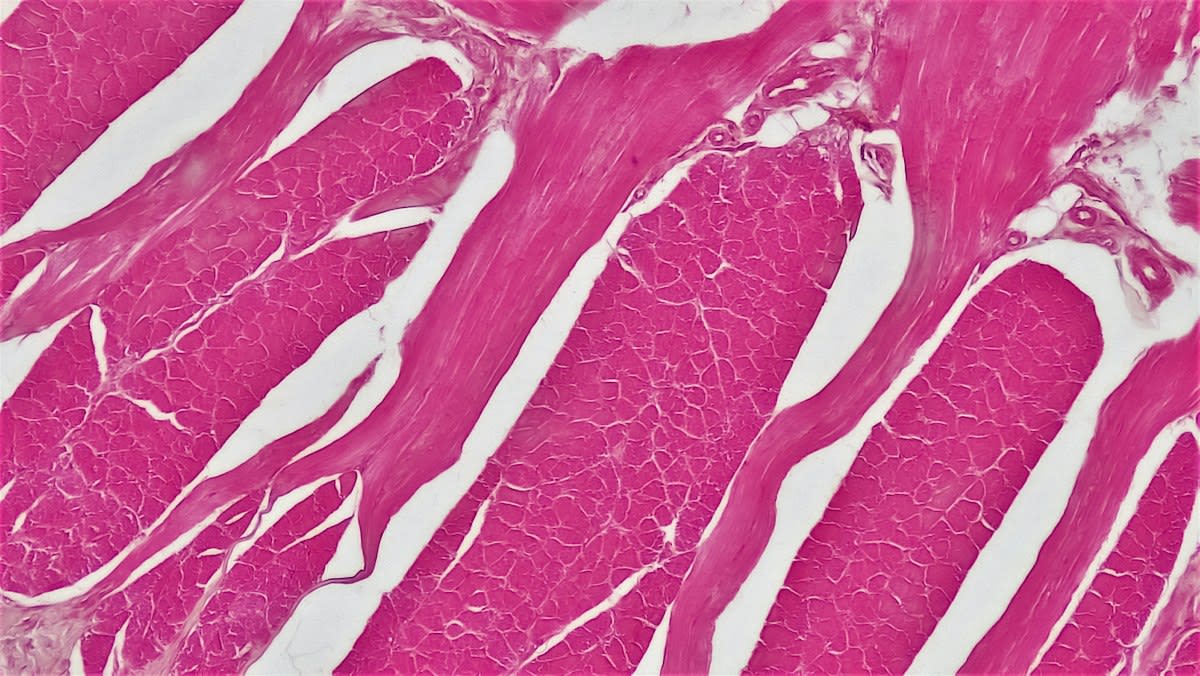
Nutrient gaps are not accidental. They are a direct consequence of the drug's efficacy. When satiety is artificially maintained, the window for nutrient absorption shrinks. Patients in luxury clinics in Dubai are reporting a complete aversion to protein-dense foods like meat and eggs. This is the protein gap. Without 1.2 to 1.5 grams of protein per kilogram of body weight, muscle preservation is mathematically impossible during rapid weight loss (Source: Journal of the American Medical Association, 2022).
Micronutrient deficiencies follow the protein crash. B12, magnesium, and zinc levels plummet as food volume drops. In Seoul's high-end wellness districts, practitioners are seeing a spike in hair thinning and brittle nails among GLP-1 users. These are the sensory markers of a body in starvation mode. The brain thinks there is a famine, so it shuts down non-essential energy-expensive tissues. Muscle is the most expensive tissue to maintain. It is the first to be liquidated.
- Protein Malnutrition: Inability to hit leucine thresholds for muscle protein synthesis.
- Caloric Crash: Deficits exceeding 1,000 calories per day, triggering rapid catabolism.
- Micronutrient Void: Loss of essential minerals required for muscle contraction and repair.
- Hydration Failure: Reduced thirst cues leading to decreased cellular volumization.
The mainstream response is a protein shake. This is a band-aid on a bullet wound. Most commercial shakes provide low-bioavailability proteins and excessive artificial sweeteners that further disrupt the gut microbiome. To stop the bleed, patients need high-leucine protein sources and mechanical tension through resistance training. Yet, the fatigue associated with extreme caloric deficits often makes the gym feel like a torture chamber.
Ground-Level Friction: The Clinical War
The real war is happening in the hallways of multidisciplinary clinics. Endocrinologists are chasing the HbA1c and the BMI numbers. They see a successful chart. Nutritionists and physical therapists see a disaster. There is an ugly friction between the physician who prescribes the drug and the practitioner who has to deal with the resulting frailty. The physician gets the win on the chart; the physical therapist gets the patient who can no longer climb a flight of stairs.
Prototypes for 'muscle-sparing' GLP-1 protocols are failing in the wild. The friction is human ego. Patients do not want to hear that they must lift heavy weights while feeling exhausted. Doctors do not want to spend 40 minutes explaining protein synthesis when they can see 30 patients a day. The system is optimized for the prescription, not the outcome. This gap is where the muscle disappears.

The Metabolic Aftermath
The long-term play is a metabolic crash. Basal Metabolic Rate (BMR) is tied directly to lean mass. When you strip the muscle, you lower the ceiling of how many calories the body burns at rest. This creates a precarious equilibrium. The moment the drug is stopped, or the patient develops tolerance, the appetite returns. But the metabolic engine is now smaller. The rebound is not just likely; it is engineered into the biology of the loss (Source: Obesity Research, 2023).
We are creating a generation of skinny-fat patients. They have the BMI of a healthy adult but the muscle mass of a geriatric patient. This increases the risk of osteoporosis and metabolic syndrome in the long run. The pharmaceutical industry has solved the appetite problem but ignored the structural problem. They sold the destination without providing the map for the journey.
Fact-Check & Accuracy Note
This analysis relies on data from the STEP trials and independent metabolic studies. While GLP-1s are highly effective for weight reduction, the quality of weight loss is highly dependent on protein intake and resistance training. Failure to manage these variables leads to significant LBM loss.