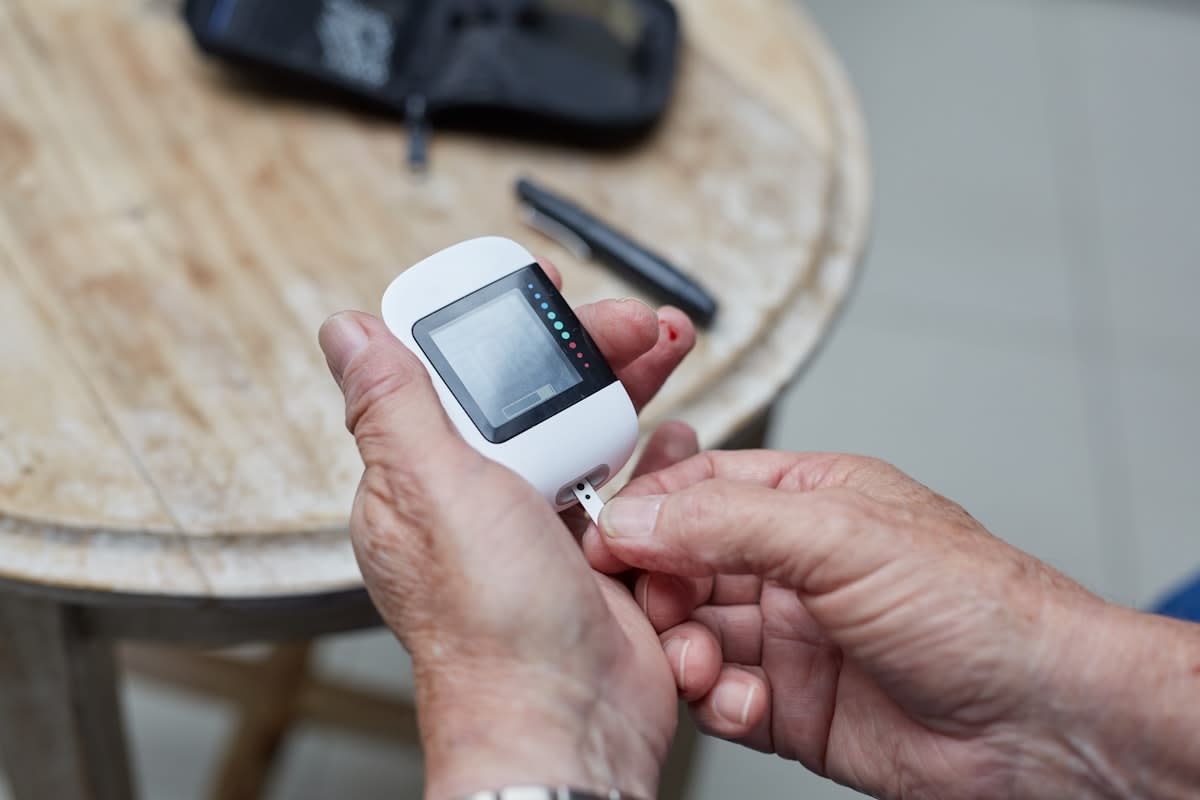
The 3 PM crash is not an inevitability of the human condition; it is a metabolic failure. For years, we have blamed a lack of caffeine or poor sleep for that sudden fog that descends during the mid-afternoon, but the culprit is almost always a glycemic roller coaster. When you consume a high-glycemic lunch, your blood glucose spikes, triggering a massive insulin release that often overcorrects, plunging your levels into a hypoglycemic dip. This is where cognitive focus dies. By utilizing a Continuous Glucose Monitor (CGM), we can stop guessing which foods cause this crash and start engineering a precise fuel strategy for the brain.
Prerequisites: Your Metabolic Toolkit
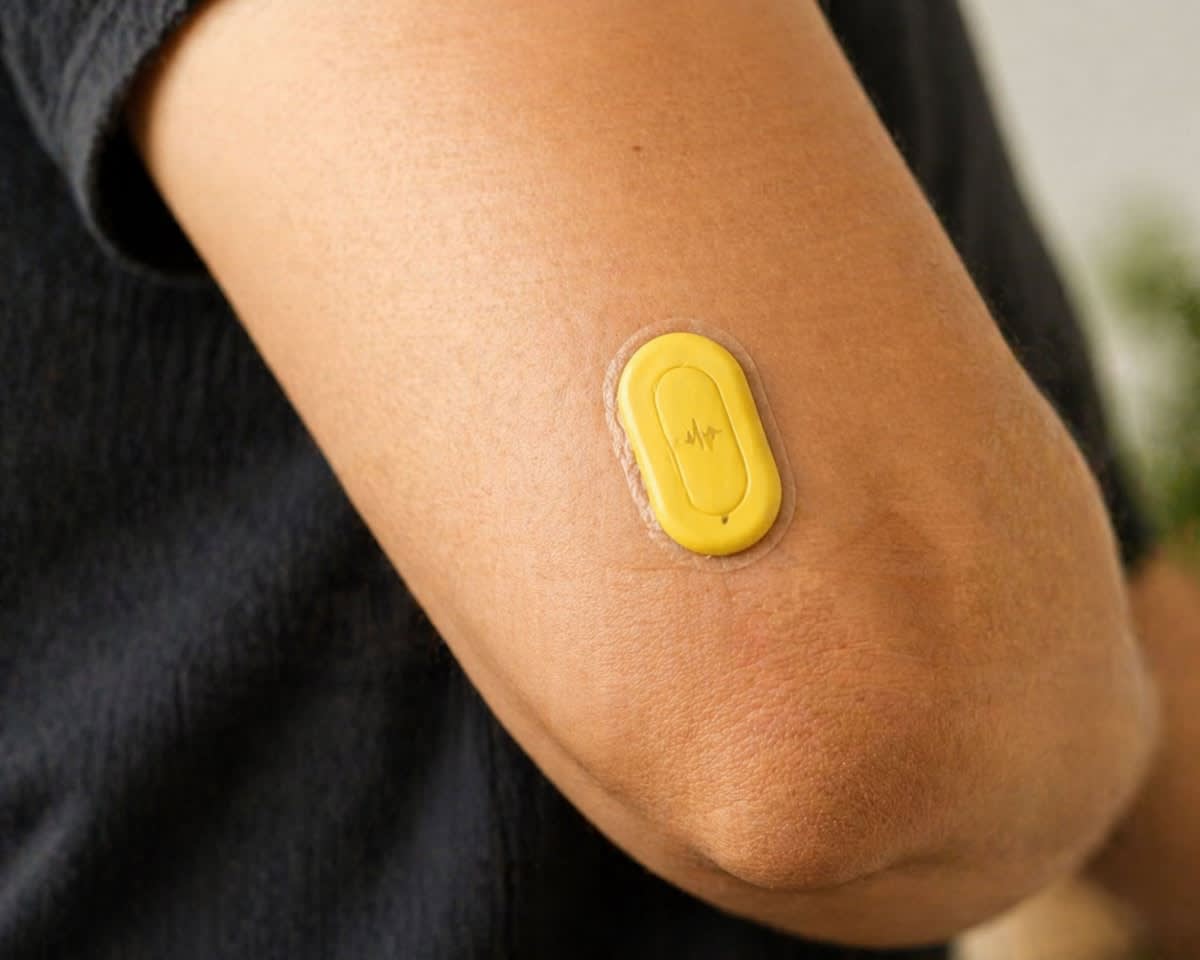
Before you begin mapping your data, you need the right infrastructure. You cannot optimize what you do not measure. A CGM provides real-time data every few minutes, offering a high-resolution view of how your unique biology reacts to specific triggers. This is critical because glucose response is hyper-individualized; a bowl of oatmeal might keep one person stable while sending another into a cognitive tailspin.
- A medical-grade CGM sensor (e.g., Dexcom, FreeStyle Libre, or Abbott systems).
- A data-logging application that allows for food and activity tagging.
- A digital food scale for precise macronutrient tracking during the baseline phase.
- A commitment to a 14-day observation period without drastic dietary changes.
The Execution: A Four-Step Framework for Cognitive Stability
Implementing a glucose blueprint requires a systematic approach. Most people make the mistake of changing their diet the moment they put on a sensor, which destroys the utility of the baseline data. To truly peak your focus, you must first understand your current failure points before applying interventions.
- Establish Your Baseline: Wear the sensor for 14 days while maintaining your normal diet. Tag every meal and every instance of 'brain fog' or lethargy. Look for the delta between your pre-meal glucose and your 2-hour post-meal peak. According to the American Diabetes Association (2023), a post-prandial spike exceeding 140 mg/dL in non-diabetics can often correlate with subsequent reactive hypoglycemia.
- Identify the 'Spike-and-Crash' Patterns: Analyze your data to find the specific foods that trigger a steep ascent followed by a rapid drop. Note the timing. Does a white-rice-heavy lunch in Tokyo cause a different response than a pasta-heavy lunch in Rome? You are looking for the 'crash point'—the moment your glucose drops below your fasting baseline, which typically coincides with the loss of executive function.
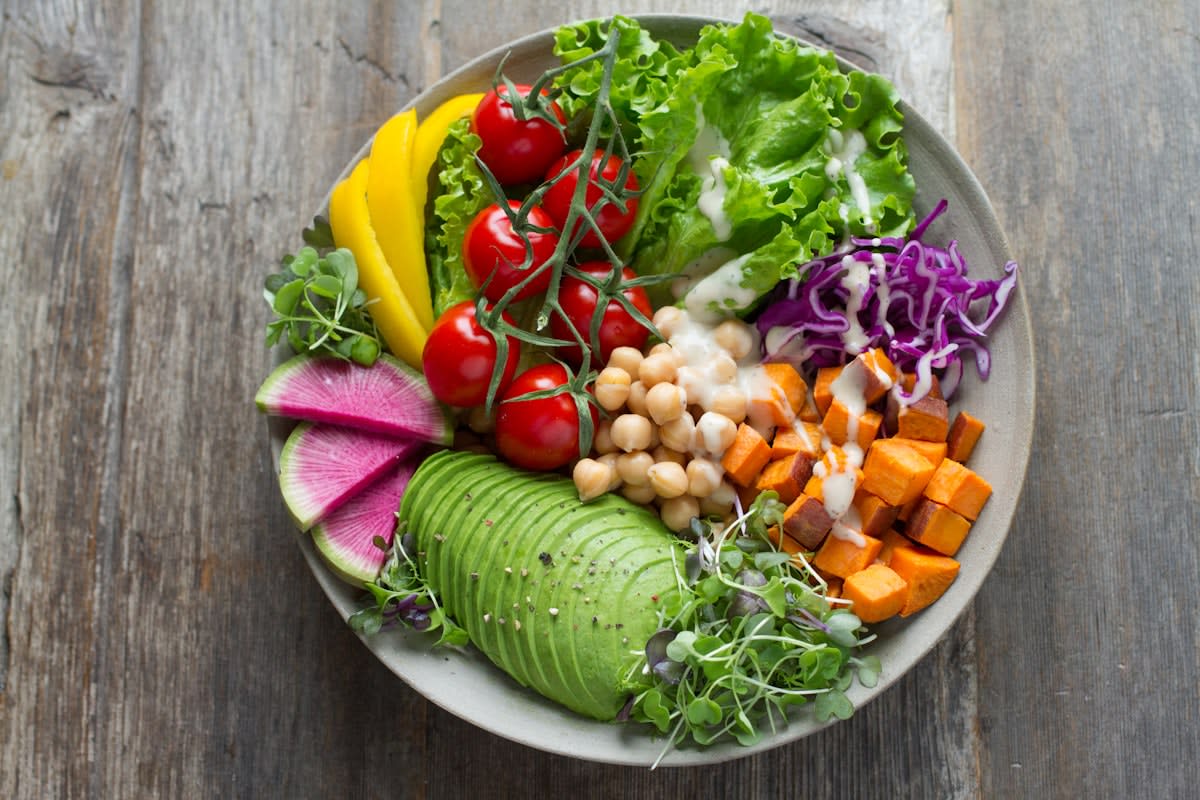
- Deploy Tactical Interventions: Once the triggers are identified, modify the delivery, not just the food. Use food sequencing: eat fiber first, then protein and fats, and save starches for last. This slows gastric emptying and flattens the glucose curve. Implement a 10-minute brisk walk immediately after your largest meal to utilize glucose via muscle contraction, bypassing the need for a massive insulin spike (Source: Journal of Applied Physiology, 2022).
- Iterative Refinement: Re-test the 'problem foods' using these new tactics. If a specific carbohydrate still causes a crash, swap it for a lower-glycemic alternative. Your goal is a 'gentle wave' rather than a 'mountain peak' on your glucose graph.
Does this mean you should never eat carbohydrates? Absolutely not. The brain runs on glucose. The objective is not to eliminate the fuel, but to control the flow. When glucose enters the bloodstream at a steady, manageable rate, the brain maintains a state of high-alert focus without the subsequent inflammatory response associated with massive spikes.
"The goal of metabolic optimization is not a flat line—which is physiologically impossible and undesirable—but the avoidance of the precipitous drop that triggers the brain's emergency hunger signals and cognitive shutdown."— Dr. Jessie Inchauspé, Metabolic Researcher and Author
The Practitioner's Perspective: Beyond the Data
In my years of implementing these protocols with high-performance executives, I have seen a recurring friction point: data anxiety. There is a growing debate among practitioners regarding 'glucose perfectionism.' Some clients become obsessed with avoiding any spike whatsoever, which can lead to an eating disorder-like relationship with food. On the ground, the real battle isn't the data—it's the psychology. I often have to remind clients that a spike after a celebratory meal is not a failure; it is a biological event. The professional's focus should be on the average glycemic variability over a week, not a single anomalous data point.
| Dietary Approach | Glucose Profile | Cognitive Impact |
|---|---|---|
| High-Glycemic (Refined Carbs) | Sharp Peak / Deep Valley | High Initial Energy / Severe Slump |
| Low-Glycemic (Complex Carbs/Fats) | Low Amplitude Wave | Steady, Sustained Focus |
| Sequenced (Fiber -> Protein -> Carb) | Blunted Peak / Stable Floor | Optimal Cognitive Endurance |
Another nuance often missed by novices is the 'Dawn Phenomenon'—the natural rise in blood sugar in the early morning. Many users panic when they see their glucose rise at 6 AM without eating. As a practitioner, I explain that this is the liver releasing glucose to wake the body up. Understanding these biological baselines prevents unnecessary dietary restrictions that could actually impair morning cognitive performance.
Common Pitfalls to Avoid
The path to metabolic stability is littered with common errors that can lead to misleading conclusions or suboptimal health. Avoiding these pitfalls is what separates a casual user from a master of their own biology.
- The Flatline Trap: Trying to keep glucose perfectly flat. This can lead to chronic under-fueling and a drop in overall metabolic rate.
- Ignoring Stress: Cortisol triggers glucose release from the liver. If you see a spike during a high-stress board meeting without eating, it is a stress response, not a food response. Do not cut carbs to fix a cortisol problem.
- Over-reliance on the App: Trusting the CGM over your own bio-feedback. If the app says you are stable but you feel exhausted, investigate other factors like hydration or sleep quality.
- The Vinegar Fallacy: Using apple cider vinegar as a 'magic pill' to eat unlimited sugar. While acetic acid can blunt a spike (Source: Diabetes Care, 2004), it does not negate the systemic inflammation caused by excessive refined sugar.
Fact-Check & Accuracy Note
Key claims regarding post-prandial glucose levels and the impact of walking on glucose clearance are sourced from the American Diabetes Association (2023) and the Journal of Applied Physiology (2022). The efficacy of acetic acid in blunting glucose spikes is based on research published in Diabetes Care (2004). Please note that CGM data can vary by brand and individual physiology; always consult a physician before making drastic dietary changes.
Medical Disclaimer
Editorial Note: This guide is designed for cognitive optimization in healthy adults. For individuals with Type 1 or Type 2 diabetes, the interpretation of CGM data should be managed strictly under the supervision of an endocrinologist.