The Muscle Paradox
Weight loss is often framed as a simple equation of calories in versus calories out. This reductionist view is dangerous. When you plunge into a steep caloric deficit, your body does not exclusively target adipose tissue; it looks for the most metabolically expensive tissue to shed to conserve energy. That tissue is your muscle. Why would your body keep energy-hungry muscle fibers when it perceives a famine? Without a precise intervention, research indicates that up to 25% of total weight lost during rapid dieting can come from lean mass rather than fat. This is the muscle paradox: the faster you drop the scale weight, the higher the risk of destroying the very engine that drives your metabolism.
Preserving muscle is not about avoiding weight loss; it is about commanding the biology of the process. Whether you are an athlete in Tokyo preparing for a weight-class cut or a professional in London fighting metabolic syndrome, the biological imperatives remain identical. You must signal to your body that your muscle is indispensable. This requires a dual-pronged attack: providing the raw materials for repair and creating a mechanical demand that makes muscle loss an evolutionary disadvantage. If you fail to do this, you are not losing weight; you are simply shrinking.
The Golden Rule
Muscle is your metabolic currency. Every gram lost lowers your basal metabolic rate (BMR), making future fat loss harder and weight regain almost inevitable. Preservation is the only path to long-term sustainability.
Prerequisites for Preservation
Before executing this blueprint, you need more than just willpower. You need a precise infrastructure to track variables and execute the physical demands. Guesswork is the enemy of lean mass. If you cannot measure your protein intake or track your strength progression, you are gambling with your physiology. You must enter this process with a baseline of your current strength and a clear understanding of your maintenance calories.
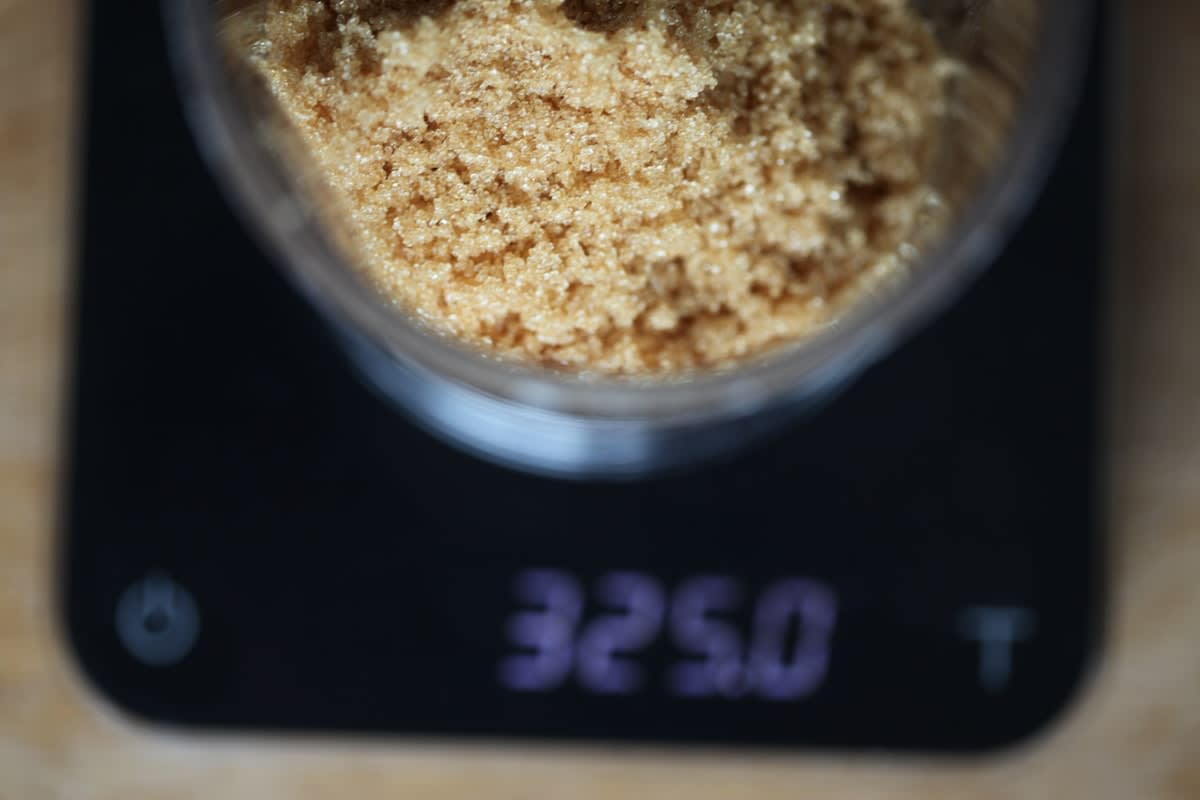
- Digital food scale for precise macronutrient tracking.
- Access to resistance training equipment (free weights, cables, or high-tension bands).
- A strength log to track volume and intensity (reps, sets, and weight).
- High-bioavailability protein sources (whey, lean meats, soy, or pea protein).
- A reliable method of body composition tracking (calipers, DEXA, or waist-to-hip ratio).
Once these tools are in place, you can move from a state of hope to a state of engineering. The transition from general weight loss to muscle-sparing fat loss requires a shift in mindset. You are no longer chasing a number on the scale; you are chasing a specific body composition. This means the scale may move slower, but the mirror and the barbell will tell the real story.
The Step-by-Step Blueprint
- Establish a Controlled Caloric Deficit (15-25% below maintenance).
- Optimize Protein Leverage (Target 1.6g to 2.2g per kg of body weight).
- Implement Hypertrophy-Based Resistance Training (Prioritize intensity over volume).
- Engineer a Recovery Protocol (Minimum 7-9 hours of sleep and hydration).
- Execute the Plateau Pivot (Strategic refeeds or calorie cycling).
Step one is about the deficit. Many novices make the mistake of slashing calories by 50% or more, thinking it accelerates results. In reality, this triggers a massive cortisol spike and accelerates muscle catabolism. To protect your lean mass, aim for a deficit of 15% to 25% of your Total Daily Energy Expenditure (TDEE). This range provides enough of a gap to force fat oxidation while remaining high enough to fuel the muscle-building signals required to prevent atrophy. If you drop too low, your body will simply cannibalize your biceps to keep your brain running.
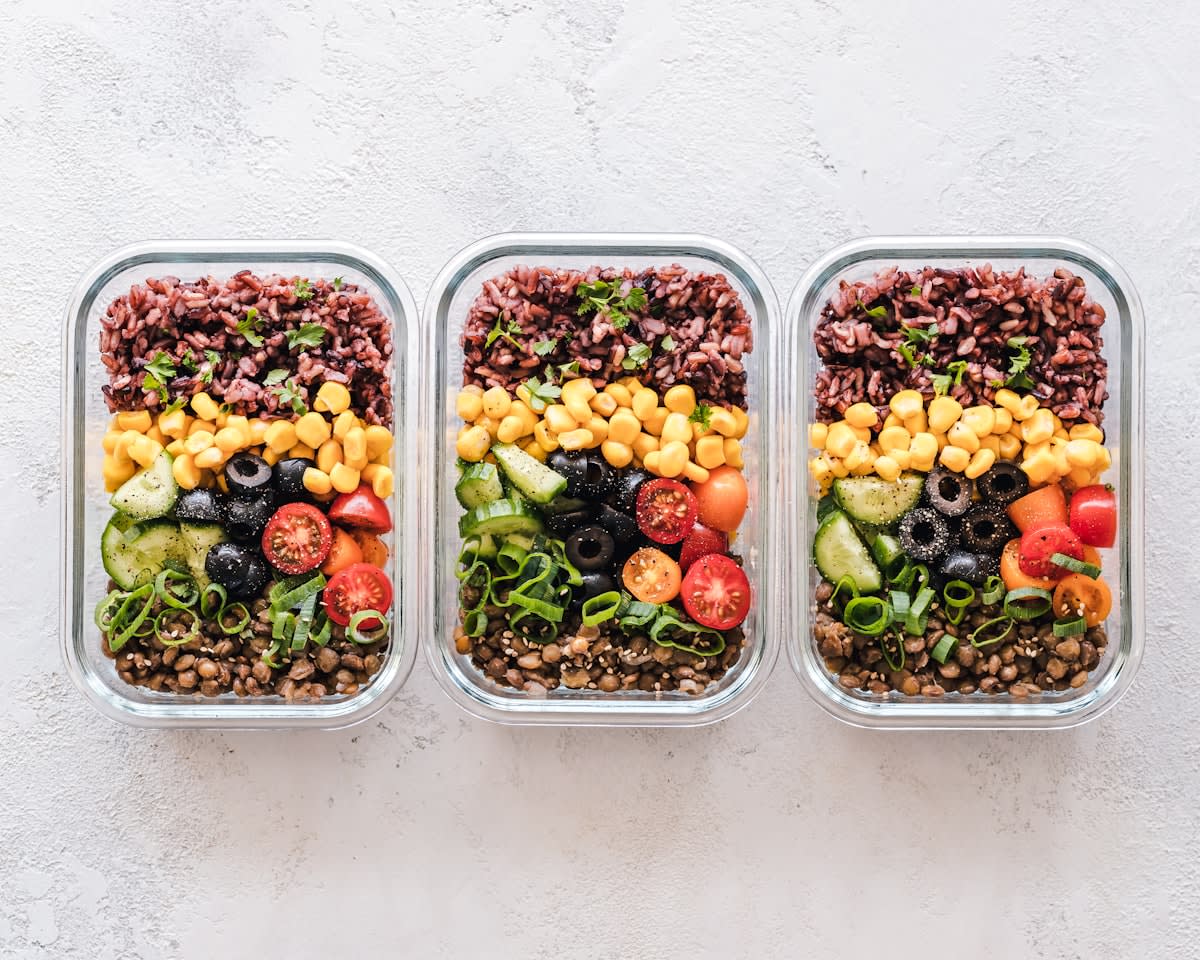
Protein is the non-negotiable variable in this equation. When calories are low, the body becomes less efficient at utilizing protein for muscle synthesis. To counteract this, you must increase your intake. The gold standard for muscle preservation during fat loss is 1.6g to 2.2g of protein per kilogram of body weight. For a 80kg individual, this means 128g to 176g of protein daily. This high intake provides a steady stream of amino acids, specifically leucine, which triggers the mTOR pathway—the body's primary signal for muscle growth and maintenance.
Training must shift from 'burning calories' to 'stimulating growth.' Many people pivot to high-rep, low-weight sets when dieting, believing this 'tones' the muscle. This is a fallacy. The body only keeps muscle it actually needs. To preserve lean mass, you must continue lifting heavy loads. Focus on compound movements—squats, presses, and rows—that recruit the most motor units. While your overall volume (total sets) may need to decrease because your recovery capacity is lower, the intensity (weight on the bar) must remain high. If your strength plummets, your muscle is likely following.
| Protein Source | Protein per 100g | Bioavailability | Best Use Case |
|---|---|---|---|
| Chicken Breast | 31g | High | Main Meal |
| Egg Whites | 11g | Very High | Breakfast/Snack |
| Tempeh | 19g | Medium | Plant-Based Base |
| Whey Isolate | 85g | Extreme | Post-Workout |
| White Fish | 20g | High | Low-Calorie Volume |
Recovery is where the actual preservation happens. You do not build or save muscle in the gym; you do it while you sleep. During a caloric deficit, your systemic stress is elevated. Lack of sleep increases cortisol, a catabolic hormone that actively breaks down muscle tissue and encourages fat storage in the abdominal region. Aim for 7 to 9 hours of quality sleep. Without this, your hormonal profile shifts toward muscle wasting, regardless of how much protein you consume. Hydration is equally critical, as dehydrated muscles lose strength and are more prone to injury.
"The biggest mistake in rapid weight loss is treating the body like a calculator rather than a biological system. If you ignore the hormonal signaling of resistance training and sleep, you are just optimizing your path to metabolic failure."— Industry Expert in Metabolic Health
Finally, you must master the Plateau Pivot. No body can maintain a steep deficit indefinitely without adaptation. After 6 to 12 weeks, your metabolism will likely slow down—a process known as adaptive thermogenesis. Instead of slashing calories further, which would trigger muscle loss, implement a strategic refeed. Increasing carbohydrates for 24 to 48 hours can replenish glycogen stores, lower cortisol, and signal to the thyroid that the famine is over. This temporary caloric bump resets the metabolic pace and provides the energy needed to push through a strength plateau.

Common Pitfalls
Even with a blueprint, the road to lean mass preservation is littered with common errors. Many people fall into the 'cardio trap,' adding hours of steady-state cardio to accelerate fat loss. While cardio is healthy, excessive amounts—especially when combined with a steep deficit—can interfere with the mTOR pathway and lead to muscle wasting. If you must do cardio, prioritize low-impact movements like walking or short bursts of high-intensity interval training (HIIT) to minimize systemic fatigue.
- Over-reliance on cardio: Prioritizing the treadmill over the squat rack.
- Under-eating protein: Falling below 1.6g/kg due to appetite loss.
- Neglecting sleep: Thinking 5 hours is sufficient during a cut.
- Ignoring strength markers: Being happy with weight loss while lifting 20% less.
- Avoiding fats entirely: Crashing hormones by dropping fat intake below 0.5g/kg.
Success in this endeavor is measured by the quality of the weight lost. If you drop 10kg but your bench press drops by 20kg, you have failed. If you drop 5kg but your strength remains stable or increases, you have won. This is the discipline of the Master Practitioner: prioritizing the integrity of the tissue over the speed of the scale. By treating your muscle as a precious asset, you ensure that once the fat is gone, you are left with a powerful, metabolic engine that is easy to maintain and impossible to ignore.