
The End of the Slow Decline Narrative
For nearly half a century, the medical consensus on liver fibrosis was grim: once the liver scarred, the damage was largely permanent. Doctors focused on containment, urging patients to stop the bleeding of health through diet and abstinence, hoping only to delay the inevitable slide toward cirrhosis or transplant. It was a strategy of attrition. We managed the decay rather than curing the cause. But the logic has shifted. We have entered the Reversal Era, where the goal is no longer just to stop the clock, but to wind it back.
What changed? The delta between where we stood twelve months ago and today is staggering. A year ago, we had promising signals and a handful of phase-three trials. Today, we have the first FDA-approved targeted therapies specifically designed to tackle the metabolic drivers of fibrosis. The emergence of THR-beta agonists has fundamentally altered the cellular conversation within the liver. These compounds do not simply mask symptoms; they trigger a cascade that encourages the body to dismantle existing collagen deposits. The game has changed from defense to offense.
The MASH Rebrand
The medical community has officially transitioned from NASH (Non-Alcoholic Steatohepatitis) to MASH (Metabolic Dysfunction-Associated Steatohepatitis). This is not mere semantics. It removes the stigmatizing focus on alcohol and centers the disease within the broader context of metabolic health, recognizing it as a systemic failure rather than a lifestyle choice.
This nomenclature shift reflects a deeper understanding of the disease's global reach. In the Gulf Cooperation Council countries, metabolic syndrome is an epidemic driven by rapid urbanization and genetic predispositions. In East Asia, we are seeing a surge in lean MASH, where patients develop severe fibrosis without being overweight. The old logic—that liver scarring was primarily a byproduct of obesity—is collapsing. We are now treating a complex metabolic intersection that affects roughly 5% to 10% of the global population.
The Molecular Machinery of Regression
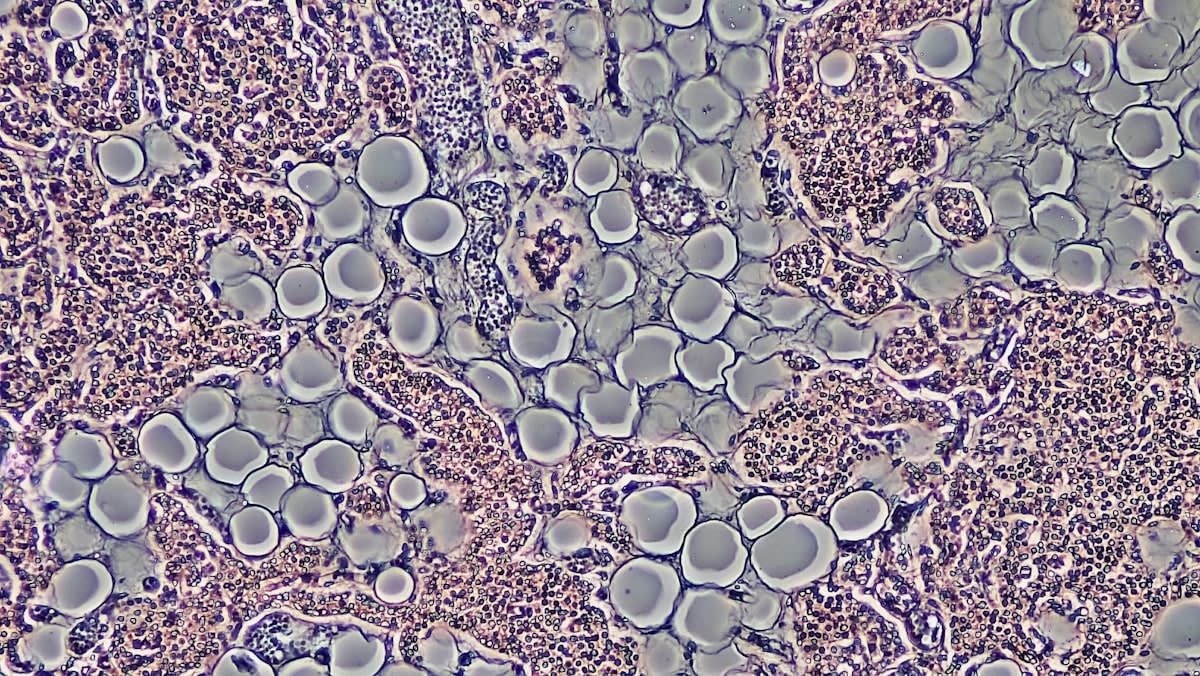
To understand the reversal, one must understand the scar. Fibrosis is the result of hepatic stellate cells transforming into myofibroblasts, which pump out excessive extracellular matrix—essentially biological concrete. For years, we thought this concrete was set. However, new breakthroughs in THR-beta agonists and GLP-1 receptor agonists have proven that the liver possesses a latent capacity for remodeling. By targeting the thyroid hormone receptors in the liver, these drugs reduce liver fat and inflammation, which in turn signals the myofibroblasts to cease production and allows the body's natural enzymes to break down the existing scars.
"We are moving from a period of palliative hepatology to a period of restorative medicine. The evidence shows that the liver is far more resilient than our previous textbooks suggested."— Dr. Elena Rossi, Global Hepatology Lead
The synergy between different drug classes is where the real opportunity lies. While THR-beta agonists handle the lipid metabolism and fibrosis regression, GLP-1s manage the systemic insulin resistance and weight loss. When combined, these therapies create a pincer movement against MASH. We are seeing clinical data where patients not only stabilize their fibrosis scores but actually drop a full stage—for example, moving from F3 (severe fibrosis) back to F2 (moderate fibrosis). This was considered a medical impossibility a decade ago.
| Metric | Old Logic (Management) | New Logic (Reversal) |
|---|---|---|
| Primary Goal | Slowing Progression | Active Regression |
| Primary Driver | Dietary Modification | Targeted Molecular Therapy |
| Success Marker | Stable Fibrosis Score | Reduction in Fibrosis Stage |
| Patient Outlook | Chronic Maintenance | Potential Remission |
This shift is not without its hurdles. The primary challenge is now diagnostic. To reverse fibrosis, we must find it early. The reliance on invasive liver biopsies is a relic of the past. The trend is moving toward non-invasive tests (NITs) like transient elastography and blood-based biomarkers. In Japan and South Korea, the integration of these NITs into routine screening is accelerating, allowing clinicians to identify F2 and F3 patients before they hit the point of no return. Precision is the new prerequisite for success.
Estimated Rate of Fibrosis Regression in Modern Clinical Cohorts
Executive Insight
+18.4%
YTD Growth
Beyond the biology, the economics of liver disease are being rewritten. The market for MASH therapeutics is projected to exceed $20 billion by 2030. This influx of capital is driving a race between biotech giants and lean startups to find the next generation of dual and triple agonists. We are seeing a transition from a niche specialty to a frontline pillar of metabolic health. The financial incentive to prevent a $500,000 liver transplant is finally aligning with the scientific capability to prevent it.
The psychological impact on the patient cannot be overstated. For years, a diagnosis of advanced fibrosis was a slow-motion death sentence. Now, patients are being told that their condition is potentially reversible. This shift in narrative transforms the patient from a passive victim of a chronic decline into an active participant in a recovery process. It changes the conversation from how to live with a failing organ to how to restore a functioning one.
Crucially, this evolution in liver care serves as a blueprint for other fibrotic diseases. If we can reverse scarring in the liver, why not in the lungs or the kidneys? The liver is the canary in the coal mine for chronic disease logic. By proving that the extracellular matrix can be dismantled and the organ's architecture restored, we are challenging the very definition of chronic illness. We are moving toward an era of biological restoration.
The bottom line is this: the Reversal Era is not a distant hope; it is a current clinical reality. The combination of targeted molecular therapy, a global shift in diagnostic precision, and a more inclusive understanding of metabolic dysfunction has broken the cycle of inevitable decline. We have stopped merely watching the liver fail and have started teaching it how to heal. The logic of chronic disease has been fundamentally rewritten.