
The Fallacy of the Early Stage
For decades, the holy grail of oncology and cardiology has been early detection. We celebrated the ability to find a tumor when it was the size of a grain of rice or a heart valve leak before it triggered a crisis. But let's be honest: early detection is still reactive. It assumes the fire has already started; we are simply trying to find the smoke before the entire building is engulfed. This traditional model relies on structural changes—something visible on an MRI or a palpable lump—meaning the pathology is already established. The biological die is cast, and the physician is merely playing a game of catch-up against an established enemy.
The systemic shift we are entering now ignores the structure and focuses on the chemistry. Mass spectrometry (MS) is dismantling the 'early stage' narrative by moving the goalposts to pre-symptomatic detection. We are no longer looking for the tumor; we are looking for the specific protein misfolding or the subtle metabolic shift that makes a tumor inevitable. This is the difference between seeing a car crash on a traffic camera and knowing the brakes are failing three miles before the intersection. It transforms medicine from a reactive rescue operation into a proactive management system.
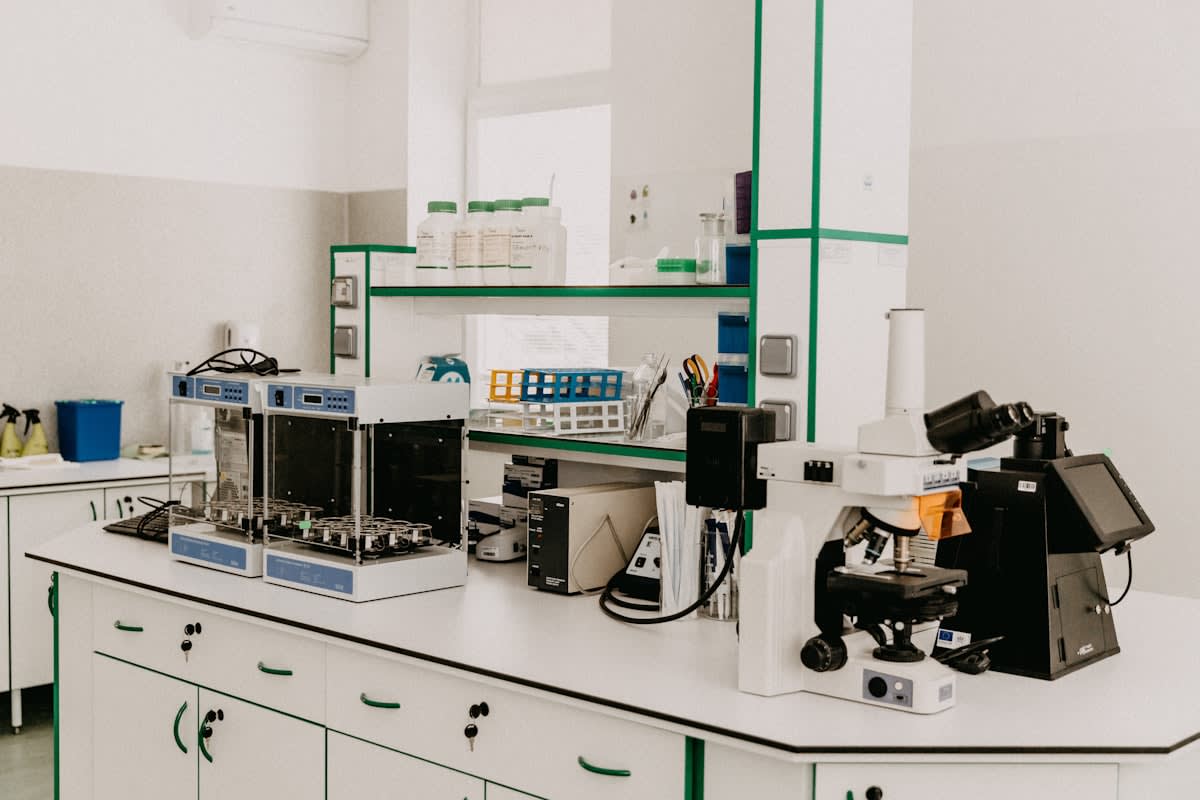
Across the globe, the implementation of this technology varies, but the trajectory is identical. In Tokyo, researchers are leveraging proteomic profiling to tackle the challenges of an ultra-aging population, seeking signatures of neurodegeneration long before memory loss occurs. In Berlin, the focus is shifting toward integrating MS into routine screening to bypass the limitations of traditional blood markers. Meanwhile, in the biotech hubs of Boston and Singapore, the race is on to miniaturize these instruments. The goal is a shift from the centralized lab to the point-of-care, turning the annual physical into a comprehensive molecular audit.
"We are moving from a world where we treat the manifestation of disease to a world where we treat the biological probability of disease."— Strategic Analysis of Proteomic Shifts
Why does this matter? Because the human proteome—the entire set of proteins expressed by our genes—is far more dynamic than the genome. While your DNA is a static blueprint, your proteins are the actual construction workers. They change in real-time based on stress, diet, and the earliest whispers of disease. Mass spectrometry allows us to weigh these proteins with such precision that we can detect 'isoforms'—slight variations in a protein's shape—that signal a disease state years before a traditional biomarker would trigger an alarm.
The bottleneck has never been the physics of the machine, but the interpretation of the data. A single mass spec run can generate thousands of data points, a deluge of information that would paralyze a human clinician. This is where the convergence of MS and machine learning creates a force multiplier. By training algorithms on vast libraries of healthy versus diseased proteomes, we can now identify 'molecular fingerprints' that are invisible to the human eye. We aren't just finding a needle in a haystack; we are identifying the specific metallic composition of the needle before it even enters the stack.
| Metric | Traditional Diagnostics (Imaging/Biomarkers) | Mass Spectrometry Proteomics |
|---|---|---|
| Detection Target | Organ/Tissue Structural Change | Molecular/Protein Isoforms |
| Temporal Window | Post-Symptomatic or Early Stage | Pre-Symptomatic / Probabilistic |
| Specificity | Moderate (often requires biopsy) | Ultra-High (atomic mass precision) |
| Data Nature | Binary (Positive/Negative) | Multidimensional (Proteomic Profile) |
| Clinical Goal | Containment and Treatment | Intervention and Prevention |
The table above illustrates a fundamental decoupling of 'diagnosis' from 'disease.' In the traditional model, you are diagnosed because you are sick. In the MS-driven model, you are flagged because your molecular trajectory is heading toward sickness. This creates a profound tension in the healthcare industry. Insurance models are built on the 'sick-care' paradigm—paying for the treatment of existing conditions. How does a system transition to paying for the prevention of a condition that hasn't technically happened yet? This is the systemic friction that will define the next decade of medical economics.
Critics argue that this leads to 'over-diagnosis,' where we find molecular anomalies that might never have progressed to actual disease. This is a valid concern, but it's a failure of imagination. The answer isn't to stop looking; it's to refine the longitudinal tracking. By sampling the proteome every six months, we can distinguish between a transient molecular spike and a steady climb toward pathology. We are essentially creating a high-resolution movie of a patient's health, rather than relying on the grainy snapshots provided by annual blood tests.

The scalability of this technology is the final frontier. For years, mass spectrometers were the size of refrigerators and cost as much as a luxury home. However, the emergence of matrix-assisted laser desorption/ionization (MALDI) and improved electrospray ionization techniques has shrunk the footprint and increased the throughput. We are seeing a transition toward 'ambient mass spectrometry,' where samples can be analyzed with minimal preparation. This removes the laboratory bottleneck and pushes the technology closer to the patient.
- Shift from structural detection (MRI/CT) to molecular detection (MS).
- Ability to detect protein isoforms that precede physical symptoms by years.
- Integration of AI to decode complex proteomic fingerprints.
- Transition from reactive 'sick-care' to proactive 'health-management'.
- Global movement toward personalized molecular auditing.
Consider the impact on chronic diseases. Instead of managing Type 2 diabetes after insulin resistance has already damaged the kidneys and retina, MS could identify the specific proteomic shift in metabolic signaling years prior. We could intervene with precision nutrition or targeted pharmaceuticals to nudge the biochemistry back to a healthy state before the disease ever manifests. The 'patient' ceases to be someone who is ill and becomes someone who is being optimized.
The Proteomic Gap
The real disruption isn't the machine—it's the data. The ability to quantify 20,000+ different proteins in a single drop of blood creates a biological search engine. We are no longer guessing based on symptoms; we are querying the body's own internal database.
As we move forward, the ethical landscape will shift. We will have to grapple with the 'patient-in-waiting'—individuals who are molecularly predisposed to a disease but currently feel perfectly healthy. Does this knowledge empower them, or does it create a new form of psychological burden? The answer lies in the resilience of our healthcare delivery systems. If we can provide a clear, actionable path from detection to prevention, the anxiety of knowing is outweighed by the power of acting.
Ultimately, mass spectrometry is doing for the proteome what the telescope did for astronomy. It is revealing a vast, complex universe that was always there, but previously invisible. By the time a symptom appears, the biological war has been raging for years. By shifting our detection to the molecular level, we are finally entering the fight at the beginning, rather than arriving just as the battle is lost. The era of the 'early stage' is over; the era of total pre-symptomatic surveillance has begun.