
The Myth of the Afternoon Slump
Most high-performers attribute their 3 PM brain fog to a lack of caffeine or poor sleep. They are wrong. What they are actually experiencing is the fallout of a glycemic crash—a sharp drop in blood glucose that leaves the prefrontal cortex starving for fuel. When your blood sugar spikes aggressively after a high-carb lunch, your body overcompensates with insulin, often swinging the pendulum too far into hypoglycemia. This volatility is the enemy of deep work. To fix this, we must stop looking at average glucose levels and start focusing on Time in Range (TIR).
Time in Range is a metric originally designed for diabetes management to measure the percentage of time a person spends within a target glucose range. For the non-diabetic professional, TIR represents the window of metabolic stability where cognitive function is optimized. When you maintain a steady baseline, you eliminate the neurological 'noise' caused by glucose fluctuations. Why settle for erratic bursts of energy when you can engineer a sustained, unwavering stream of cognitive fuel?
The Science of Glycemic Stability
The brain is an energy glutton, consuming roughly 20% of the body's total glucose despite making up only 2% of its weight. However, it is exquisitely sensitive to the rate of change in that supply. High glycemic variability—the 'peaks and valleys' of your glucose curve—is more closely linked to cognitive decline and mental fatigue than a slightly elevated average glucose level. According to research published in the Journal of Diabetes Science and Technology, high glycemic variability is associated with increased oxidative stress and impaired cognitive function (Source: Journal of Diabetes Science and Technology, 2019).
"The goal for metabolic health isn't necessarily the lowest possible blood sugar, but the most stable. Stability reduces the systemic inflammation that clouds executive function."— American Diabetes Association, Clinical Practice Guidelines
In clinical settings, the American Diabetes Association typically targets a TIR of over 70% between 70 and 180 mg/dL for patients (Source: ADA, 2021). For those seeking cognitive optimization, the 'performance range' is significantly tighter—usually between 70 and 120 mg/dL. Staying within this narrow band prevents the lethargy of the spike and the irritability of the crash, creating a psychological state of flow that can last for hours.
Prerequisites: Your Metabolic Toolkit
You cannot manage what you do not measure. Attempting to guess your glucose response based on 'healthy' labels is a fool's errand because glycemic response is highly individualized. A bowl of oatmeal might keep one person stable while sending another into a glucose coma. To master your baseline, you need a precise feedback loop.
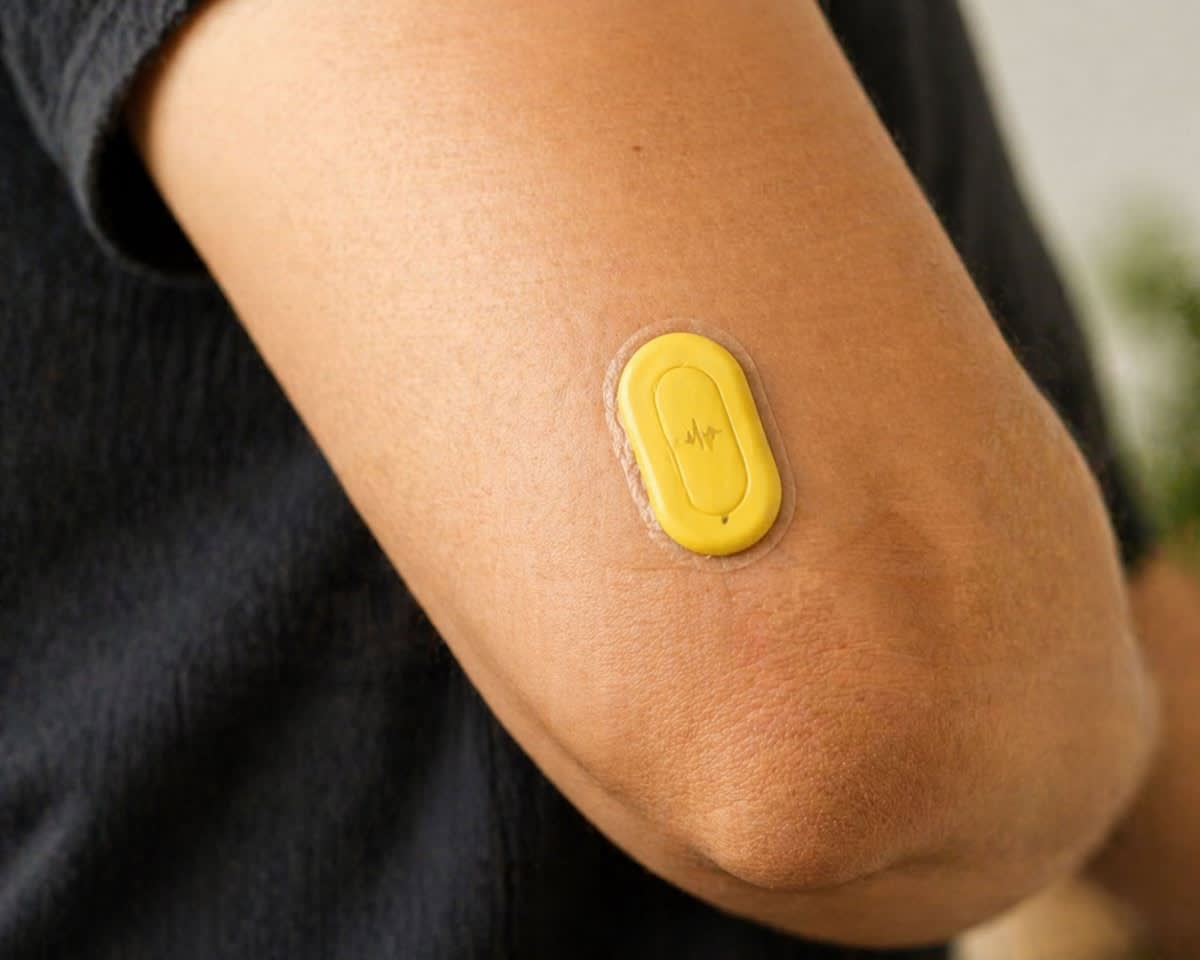
- Continuous Glucose Monitor (CGM): A wearable sensor that tracks glucose levels every few minutes.
- Precision Food Log: A record of not just what you eat, but the sequence in which you eat it.
- Sleep Tracker: To monitor how overnight recovery affects next-day insulin sensitivity.
- Hydration Baseline: Consistent water intake to avoid false glucose concentrations.
Once these tools are in place, the goal is to identify your 'glucose triggers.' These are the specific foods, stressors, or sleep deficits that knock you out of your target range. By mapping these triggers, you move from reactive health management to proactive cognitive engineering.
The Blueprint for Mastering Your Range
- Establish Your Personal Baseline: Wear a CGM for 14 days without changing your diet. Identify your natural 'TIR' and note the exact times your energy dips.
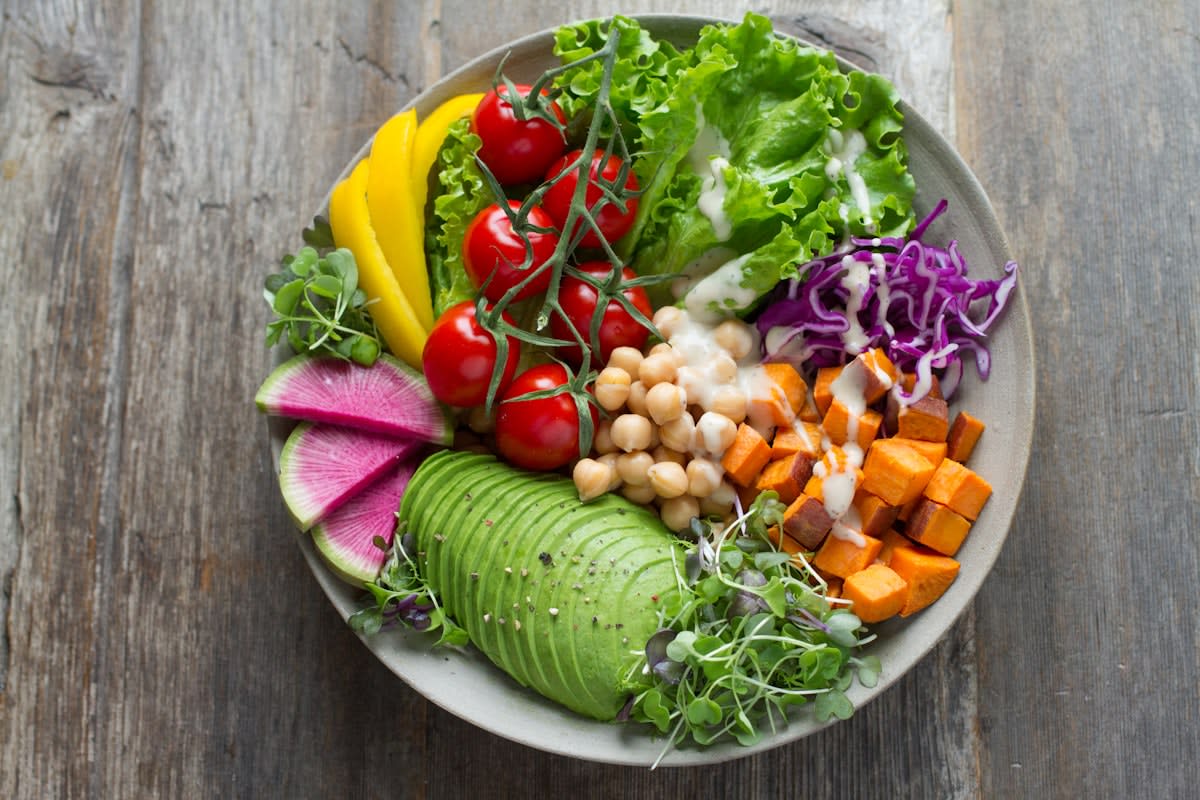
- Sequence Your Nutrients: Implement 'food sequencing.' Eat fiber first (greens), then proteins and fats, and save starches/sugars for last. This slows gastric emptying and flattens the glucose curve.
- Integrate Post-Prandial Movement: Within 20 minutes of eating, engage in 10-15 minutes of light activity, such as a brisk walk. This activates GLUT4 transporters in the muscles, pulling glucose out of the bloodstream without requiring massive insulin spikes.
- Optimize the 'Cognitive Window': Schedule your most demanding deep work for the periods where your TIR is most stable, typically 2-4 hours after a low-glycemic meal.
- Iterative Refinement: Use your data to swap high-spike foods for low-spike alternatives. Replace white rice with quinoa or cauliflower rice, and observe the delta in your TIR percentage.
This process is not about deprivation; it is about strategic timing. For instance, a professional in Tokyo might find that a traditional breakfast of grilled fish and miso soup keeps them in range for six hours, whereas a Western-style pastry breakfast triggers a crash by 10 AM. The context of the food—its pairing with fats and fibers—is what determines the cognitive outcome.
The Practitioner's Perspective: The Stability Debate
In the trenches of metabolic coaching, there is a fierce debate between the 'Flatliners' and the 'Flexibles.' The Flatliners strive for a near-perfect horizontal line on their CGM, fearing any spike as a failure. This often leads to orthorexia and an obsession with data that actually increases cortisol—which, ironically, raises blood sugar. On the other hand, the Flexibles understand that the body is designed for some variability. The real friction occurs when clients realize that stress—a high-stakes board meeting or a heated argument—can spike glucose as much as a donut. This is the 'stress-induced hyperglycemic response,' and it's where most beginners fail because they blame their diet for a psychological trigger.
The goal isn't a flat line; it's a controlled wave. We want to avoid the jagged cliffs of extreme volatility. When I work with executives, we focus on 'metabolic flexibility'—the ability of the body to switch efficiently between burning glucose and burning fats. If you are too rigid, you lose the ability to handle an occasional high-carb meal without a total system collapse.
Common Pitfalls to Avoid
One of the most frequent mistakes I see is the 'Compensation Trap.' A person sees a spike on their monitor and immediately fasts for 24 hours or over-exercises to 'burn it off.' This often leads to a secondary crash, creating a new cycle of instability. The correction should be subtle: add more fiber to the next meal or take a short walk. Aggressive corrections create more volatility.
Another pitfall is ignoring the 'Sleep-Glucose Connection.' A single night of poor sleep (under 6 hours) can increase insulin resistance the following day by as much as 30% (Source: University of Chicago, Sleep & Metabolism Study). You can eat the perfect low-glycemic meal, but if you didn't sleep, your TIR will still suffer. Stop treating nutrition in a vacuum.
Fact-Check & Accuracy Note
Key claims regarding Time in Range (TIR) targets and glycemic variability are sourced from the American Diabetes Association (ADA) 2021 guidelines and the Journal of Diabetes Science and Technology (2019). The relationship between sleep and insulin resistance is based on established metabolic research from the University of Chicago. Note: While TIR is a gold standard for diabetes, its application to healthy adults for 'cognitive energy' is an emerging area of performance optimization and may vary based on individual metabolic health.