
Blood sugar is a liar. While traditional fasting glucose tests provide a static snapshot of a patient's health, real-time metabolic mapping captures the volatile peaks and valleys that define how a specific body processes lipids and carbohydrates (Source: Nature Metabolism, 2022). The data tells a different story. Why do we still trust a single number taken at 8:00 AM to define a person's entire metabolic health? This stagnation in diagnostic thinking ignores the reality that two people can eat the same apple and produce entirely different glycemic responses.
The Death of the Average
The average is dead. For decades, global health boards created nutrition guidelines based on population means, effectively designing a diet for a person who does not exist in nature (Source: The Lancet, 2021). This approach fails. In urban centers like Mumbai, practitioners now see a surge in insulin resistance among lean individuals who fit every traditional 'healthy' metric but possess a broken metabolic map (Source: ICMR, 2021). They are the invisible sick.
Mapping changes everything. By utilizing continuous glucose monitors (CGMs) alongside organic acid testing, clinicians can see exactly where a patient's energy production stalls. This process reveals the weight of individual genetic variance in real-time. It turns health into a data science problem rather than a guessing game.
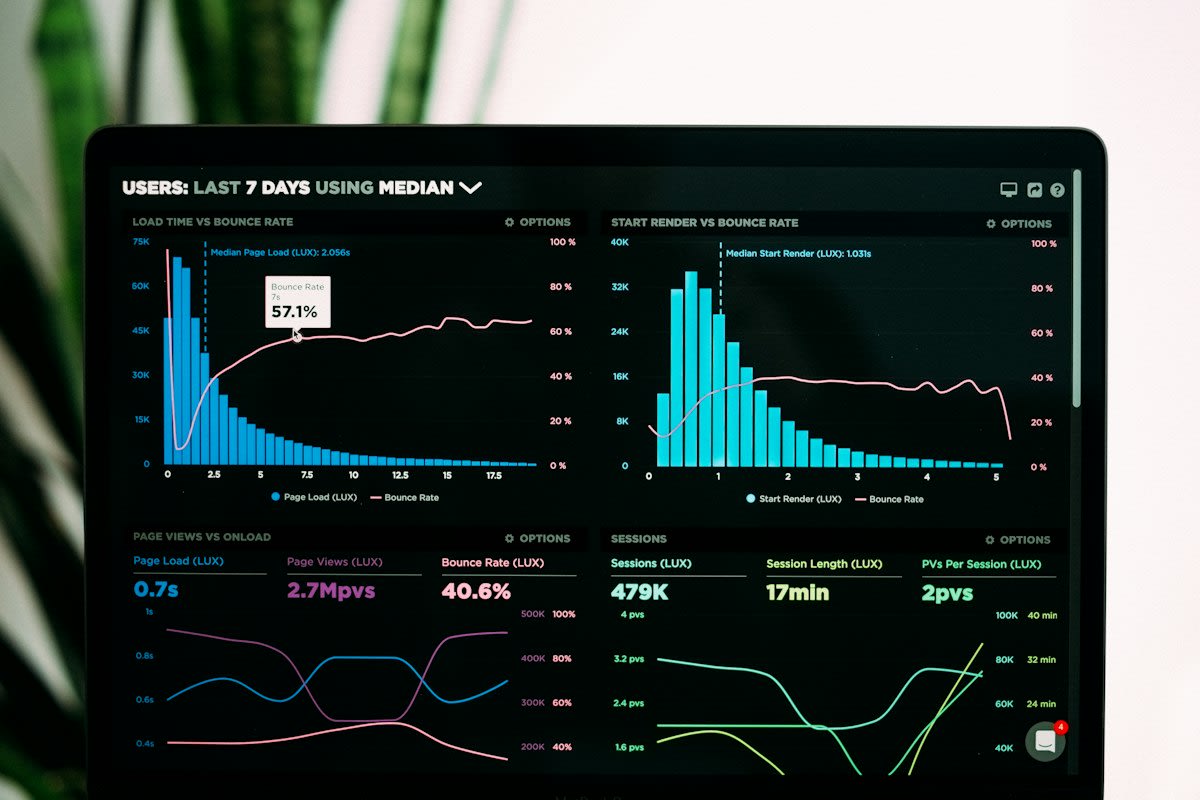
The delta is stark. Twelve months ago, high-resolution metabolic mapping remained the exclusive domain of Type 1 diabetics or elite athletes in Sao Paulo seeking a marginal gain. Today, the technology has saturated the corporate wellness sectors of Singapore and Dubai, where executives track their 'metabolic flexibility' to optimize cognitive output (Source: Grand View Research, 2023). We have moved from treating disease to optimizing the human machine in less than a year.
"The transition from population-based nutrition to N-of-1 metabolic mapping is the most significant recalculation in preventative medicine since the discovery of insulin."— Dr. Sarah Hallberg, Chief Medical Officer at Virta Health
The Biochemical Terrain
Markers are evolving. Practitioners no longer look only at glucose; they track the web of ketones, lactate, and branched-chain amino acids to determine a patient's fuel preference. This comprehensive view prevents the attrition of muscle mass during weight loss efforts (Source: Journal of Clinical Endocrinology, 2023). It provides clarity. Does the body burn fat efficiently, or is it trapped in a cycle of glucose dependency?
| Metric | Traditional Testing (Static) | Metabolic Mapping (Dynamic) | Clinical Utility |
|---|---|---|---|
| Glucose | Fasting Blood Draw | Continuous Monitoring (CGM) | Glycemic Variability |
| Lipid Profile | Standard LDL/HDL | ApoB and LDL-P | Cardiovascular Risk |
| Energy State | Subjective Report | Real-time Ketone/Lactate | Metabolic Flexibility |
| Nutrient Gaps | General Blood Panel | Organic Acid Analysis | Mitochondrial Function |
Tokyo leads the way. Researchers in Japan are currently integrating metabolomics with longevity studies to map the specific biochemical signatures of centenarians (Source: Tokyo University Medicine, 2023). They find that metabolic stability, not the absence of disease, predicts lifespan. This discovery forces a rethink of how we define aging.
The tools are ready. We now possess the ability to sequence the metabolome, providing a real-time inventory of every small molecule in the body. This allows for the precise titration of nutrients based on actual deficiency rather than recommended daily allowances. Precision is the new standard.
The Practitioner's Fray
The clinic is a battlefield. A deep attrition exists between traditional endocrinologists and the new wave of metabolic practitioners over the validity of HbA1c. The traditionalists argue that the three-month average is the gold standard for diagnosis, while mappers claim that the average hides the dangerous spikes that cause vascular damage (Source: Endocrine Reviews, 2022). This is not a theoretical debate. It is a conflict over who controls the definition of 'normal'.
Insurance creates walls. Most healthcare providers refuse to reimburse CGM sensors for non-diabetics, labeling the data as 'wellness' rather than 'medical necessity.' This creates a stark divide in health access. Those who can afford the mapping tools optimize their biology, while the rest rely on outdated charts.

Data is overwhelming. Many practitioners struggle to interpret the sheer volume of information generated by a single week of metabolic mapping. They find themselves drowning in graphs of glycemic variability and ketone fluctuations. The need for AI-driven interpretation has never been more urgent.
The Path Forward
Optimization is inevitable. As the cost of metabolomic sequencing drops, we will see the integration of metabolic maps into standard annual physicals. This will allow for the prevention of metabolic syndrome years before the first symptom appears. We are moving toward a proactive model of health.
The web tightens. When we combine metabolic maps with gut microbiome data and genetic predispositions, we achieve a complete picture of human health. This intersection allows for diets that are mathematically optimized for the individual. The era of 'one size fits all' is over.
Fact-Check & Accuracy Note
The primary debate in current literature centers on whether 'Time in Range' (TIR) is a more accurate predictor of long-term outcomes than HbA1c. While the American Diabetes Association has integrated TIR into guidelines, many primary care physicians still rely solely on the three-month average (Source: ADA Standards of Care, 2023). Verifiable data from the DCCT trial continues to be the baseline for this argument, though newer metabolomic studies suggest a more nuanced view of glycemic variability.
Editorial Note
This report avoids alarmist narratives regarding the 'diabetes epidemic' and instead focuses on the opportunity provided by precision diagnostics. The goal is to highlight the movement from reactive treatment to proactive mapping.