The End of the Nuclear Monolith
For decades, nuclear power meant one thing: the gargantuan, multi-billion-dollar project that took fifteen years to build and often went bankrupt before the first turbine spun. These behemoths required a level of capital and political will that few nations could sustain. But look closer at the current energy pipeline and you will see a quiet revolution. The industry is shrinking the tech to save the sector. Small Modular Reactors (SMRs) are not just smaller versions of old plants; they are a complete reimagining of how we generate baseload power.
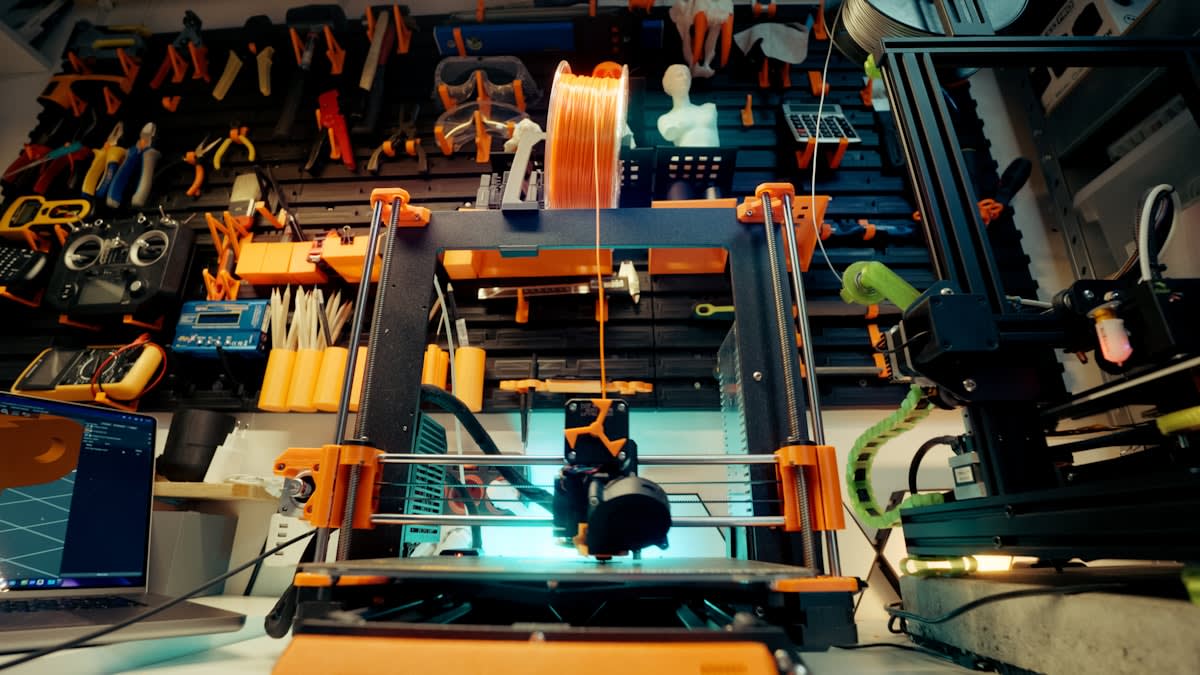
Why the sudden pivot? The answer lies in the brutal reality of modern finance. Investors hate uncertainty, and traditional nuclear is the definition of uncertainty. SMRs solve this by shifting the construction logic from the field to the factory. Instead of pouring millions of tons of concrete in a remote field while praying the supply chain holds, SMR components are forged in controlled environments and shipped via rail or barge. This is the transition from bespoke architecture to assembly-line manufacturing.
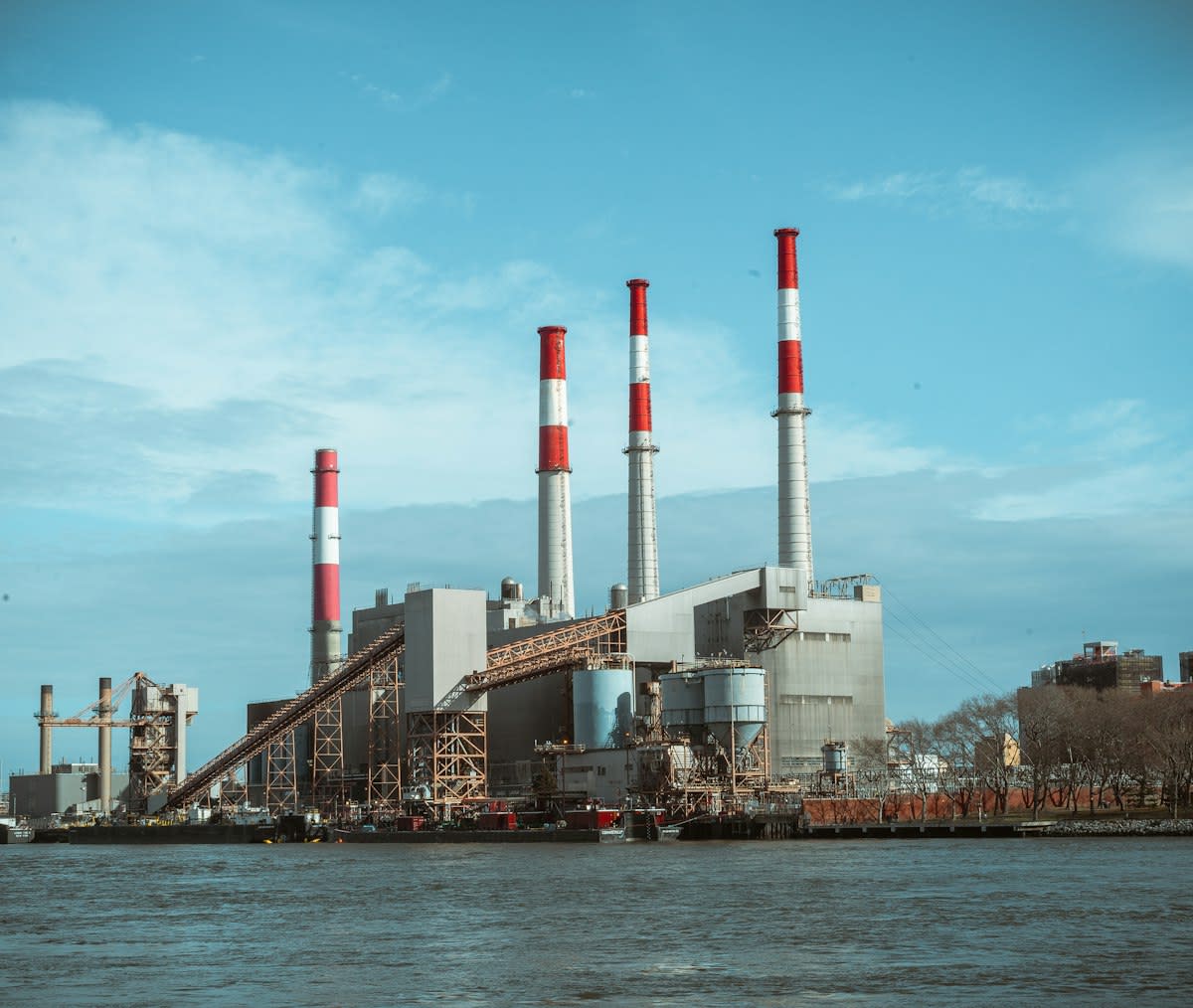
The delta between last year and today is stark. Twelve months ago, SMRs were largely conceptual, discussed in white papers and hopeful press releases. Today, we are seeing the first concrete milestones. From regulatory approvals in North America to site selection processes in Eastern Europe, the conversation has shifted from 'if' to 'where' and 'when.' The momentum is no longer theoretical; it is physical.
"We are moving away from the era of the 'megaproject' and entering the era of the 'energy product.' The goal is no longer to build a monument to engineering, but to deploy a scalable utility."— Lead Energy Strategist, Global Grid Initiative
The Factory Model: Shifting Risk from Site to Shop
Standardization is the secret weapon of the SMR. In traditional nuclear, every plant is a unique snowflake, requiring custom designs and unique regulatory hurdles. SMRs aim for a 'type-certified' model. Once a design is approved, every subsequent unit is an identical copy. Does this eliminate risk? No. But it concentrates it. The risk moves from the unpredictable mud of a construction site to the predictable environment of a factory floor.
Consider the economic implications. A traditional plant might cost $10 billion to $20 billion upfront, creating a massive financial cliff. An SMR unit, typically producing between 50MW and 300MW, allows for incremental capacity. A utility can install one module, start generating revenue, and use that cash flow to fund the second and third modules. It transforms nuclear power from a high-stakes gamble into a scalable investment.
| Feature | Traditional Large-Scale Nuclear | Small Modular Reactors (SMR) |
|---|---|---|
| Typical Capacity | 1,000+ MWe | 50 - 300 MWe |
| Construction Method | On-site Bespoke | Factory-fabricated |
| Lead Time | 10 - 20 Years | 3 - 7 Years |
| Financial Risk | Extreme (Concentrated) | Moderate (Incremental) |
This industrialization of nuclear power is happening globally, but the drivers vary by region. In Canada, the focus is on remote mining towns and indigenous communities where diesel generators are the only option. In Poland, SMRs are the chosen tool to kill off a legacy of coal dependence without crashing the industrial grid. In the United States, the push is toward replacing retiring coal plants by leveraging existing transmission lines.

The Baseload Glue: Partnering with Renewables
Can a grid survive on wind and solar alone? The math says no—not without astronomical investments in battery storage that we simply cannot manufacture fast enough. This is where the SMR becomes critical. Unlike their larger ancestors, many SMR designs are capable of 'load following.' They can ramp power up or down to balance the intermittency of renewables. When the wind stops blowing in the North Sea, the SMR kicks in.
The Future of Deployment
The concept of the 'Nuclear Battery' is emerging. Imagine a sealed, factory-made reactor that provides power for 20 years without refueling, then is simply swapped out and returned to the manufacturer. This removes the burden of waste management from the end-user.
Beyond the grid, we are seeing a surge in interest for industrial heat. Steel and cement production require temperatures that electricity alone struggles to provide efficiently. SMRs can be co-located with factories, providing high-grade thermal energy directly to the process. This is not just about lighting homes; it is about decarbonizing the very foundations of the modern city.
But the road is not without potholes. The regulatory framework for nuclear power was written for the giants. Regulators are now being forced to rewrite the rulebook for a world where reactors are shipped in crates. The friction between 1970s-era safety regulations and 2024-era modular technology is the primary bottleneck remaining.
- Reduced upfront CAPEX: Lowering the entry barrier for smaller nations.
- Enhanced Safety: Passive cooling systems that do not require operator intervention or external power.
- Grid Flexibility: Ability to deploy in remote areas without massive transmission upgrades.
- Industrial Synergy: Direct heat application for hydrogen production and desalination.
Who wins in this new landscape? Not the companies building the biggest plants, but those who can master the supply chain. The winner will be the entity that can produce a reactor with the same reliability and predictability as a Boeing jet or a Tesla chassis. We are witnessing the commoditization of the atom.
The global power grid is evolving into a decentralized web. In this new architecture, the SMR is the perfect node. It provides the stability of nuclear power with the flexibility of a distributed system. The era of the concrete behemoth is over; the era of the nuclear miniature has begun.