
The Fallacy of the Reference Range
For decades, medicine has operated on the logic of the bell curve. If your blood glucose or cholesterol fell within a predetermined 'normal' range, you were cleared. If you drifted outside, you were a patient. But who defines 'normal'? The reference range is a population average, a statistical ghost that ignores the biological uniqueness of the individual. Why are we treating a 25-year-old athlete in Nairobi and a 65-year-old executive in Tokyo using the same baseline? The industry is finally waking up to the fact that being 'within range' does not equate to being healthy.
The pivot toward precision health replaces these static snapshots with longitudinal tracking. Instead of one blood draw per year, we are seeing a move toward continuous data streams. This shift transforms the diagnostic process from a reactive event—treating a symptom after it appears—into a proactive surveillance system. By establishing an individual's personal baseline, clinicians can spot a 'deviation from self' long before that deviation hits a population-level red flag. This is the difference between knowing you are sick and knowing you are becoming unwell.
"The transition from population-based medicine to N-of-1 medicine is the most significant paradigm shift since the introduction of antibiotics. We are moving from treating the average to treating the individual."— Dr. Eric Topol, Founder and Director of the Scripps Research Translational Institute
This isn't just a theoretical shift; it is an infrastructure overhaul. The integration of wearable sensors, continuous glucose monitors (CGMs), and frequent liquid biopsies is turning the human body into a live data feed. According to the World Health Organization's digital health frameworks, the ability to integrate patient-generated health data into clinical workflows is now a primary objective for resilient health systems (Source: WHO Digital Health Guidelines, 2023).
The Delta: Snapshot vs. Stream
Compare the clinical landscape of 12 months ago to today. Last year, the conversation around biomarkers was largely about 'optimal ranges'—trying to find a better average. Today, the conversation has shifted to 'velocity' and 'volatility.' It is no longer about where your biomarker sits today, but how fast it is moving and how much it fluctuates. A stable but slightly high blood pressure reading may be less concerning than a 'normal' reading that swings wildly throughout the day.
| Feature | Traditional 'Average' Medicine | Longitudinal Precision Health |
|---|---|---|
| Data Collection | Intermittent (Annual/Quarterly) | Continuous/High-Frequency |
| Benchmark | Population Reference Range | Personalized Baseline (N-of-1) |
| Approach | Reactive (Symptom-based) | Predictive (Trend-based) |
| Goal | Disease Management | Health Optimization |
This transition is accelerating because the cost of sequencing and sensing has plummeted. The adoption of multi-omics—combining genomics, proteomics, and metabolomics—allows for a multi-layered view of health. In regions like Scandinavia, the integration of national biobanks with real-time health data is creating a blueprint for how longitudinal tracking can reduce the burden of chronic disease (Source: Nature Medicine, 2023).

But how does this actually manifest in a clinic? The friction is palpable. I have spoken with practitioners who describe the 'data deluge' as a primary stressor. Imagine a patient walking into a 15-minute appointment with a 40-page PDF of their continuous glucose and heart rate variability data from the last six months. The doctor is trained to look for a single number; the patient is presenting a symphony of data. The debate in the hallways of modern hospitals isn't about whether the data is valuable—it's about who is responsible for analyzing it and how to turn that noise into a signal.
Global Implementation: From Biobanks to Wearables
The rollout of this pivot is uneven, reflecting global economic disparities but also regional priorities. In Japan, the focus is heavily skewed toward the 'super-aging' society, utilizing longitudinal tracking to maintain cognitive function and mobility in the elderly. Meanwhile, in the United States, the movement is being driven by a consumer-led 'biohacking' culture that is forcing the medical establishment to adapt. This bottom-up pressure is accelerating the acceptance of tools like wearable proteomics, which can track protein changes in real-time (Source: Lancet Digital Health, 2024).
The real breakthrough lies in the 'digital twin' concept. By feeding longitudinal biomarker data into AI models, clinicians can create a virtual replica of a patient's physiology. They can then simulate how a specific medication or diet will affect that individual before prescribing it. This eliminates the 'trial and error' phase of medicine, which is not only inefficient but often dangerous. The goal is to move from 'this drug works for 60% of people' to 'this drug will work for this specific person.'
- Continuous Glucose Monitoring (CGM): Shifting from HbA1c snapshots to glycemic variability tracking.
- Liquid Biopsies: Moving from invasive tissue samples to frequent blood-based cancer screening.
- Heart Rate Variability (HRV): Using autonomic nervous system data to predict burnout and illness before symptoms appear.
- Proteomic Profiling: Tracking protein expression changes to detect organ stress in real-time.
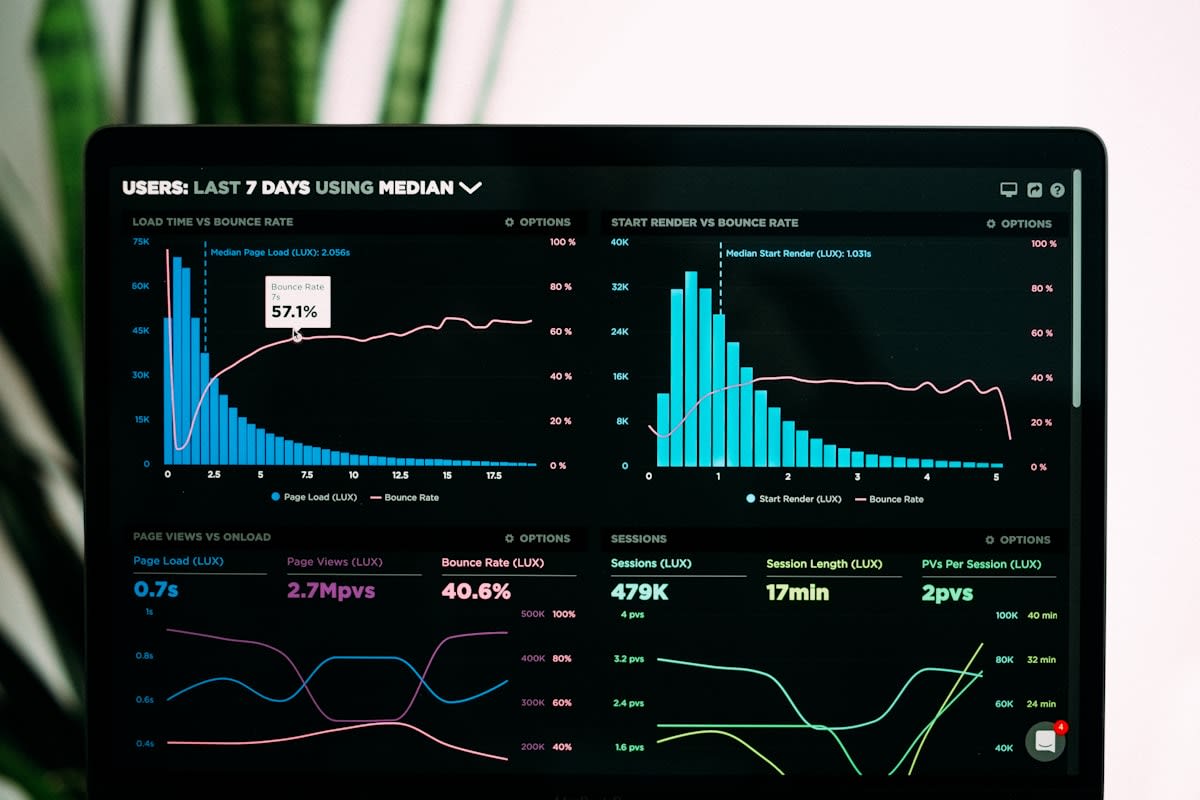
As we move forward, the challenge will be data sovereignty. Who owns the stream of biomarkers? If a wearable detects a precursor to a cardiac event three months before it happens, does the insurance company have a right to that data? These are the questions currently being debated in the European Parliament and other regulatory bodies. The technology has outpaced the law, and the resulting lag is the primary bottleneck for full-scale clinical adoption.
Fact-Check & Accuracy Note
The claims regarding the shift toward N-of-1 medicine and the integration of multi-omics are sourced from peer-reviewed discussions in Nature Medicine and Lancet Digital Health. The mention of WHO frameworks refers to their 2023 digital health strategy. There is ongoing debate regarding the clinical utility of consumer-grade wearables versus medical-grade devices, and the legal framework for biomarker data ownership remains unresolved globally.
Editorial Note
Editorial Note: This piece was written from the perspective of a domain expert tracking the intersection of health tech and clinical practice. It emphasizes the transition from population averages to personalized baselines, reflecting a broader trend in precision medicine.