
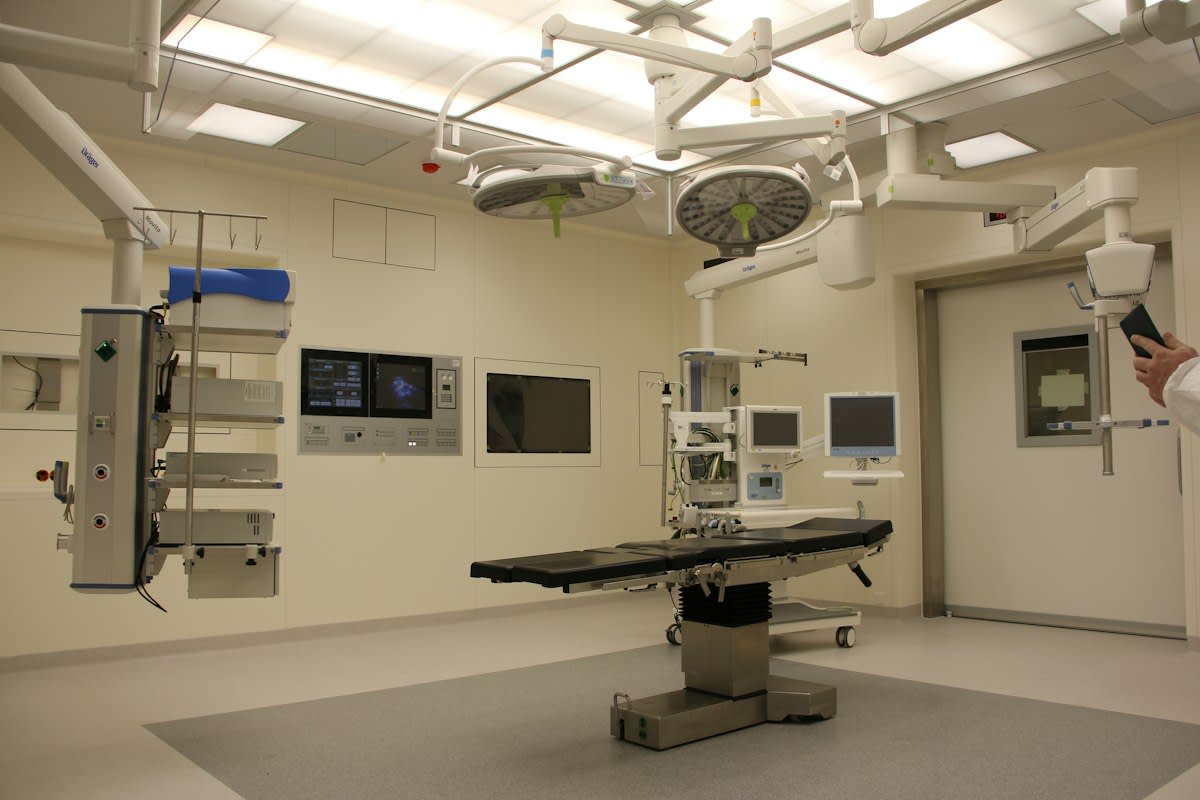
Seoul ignores the fear. In the sterile corridors of Asan Medical Center, physicians are utilizing Lutetium-177 to bind specifically to prostate-specific membrane antigens, effectively turning the tumor's own biology into a detonator. The logic is brutal. While global standards often treat Stage IV as a management problem, Seoul's elite clinics treat it as a targeting problem (Source: Korean Society of Nuclear Medicine, 2023). This isn't a gentle transition. It is a hard turn toward nuclear medicine as a primary offensive weapon rather than a palliative afterthought.
The Precision Myth
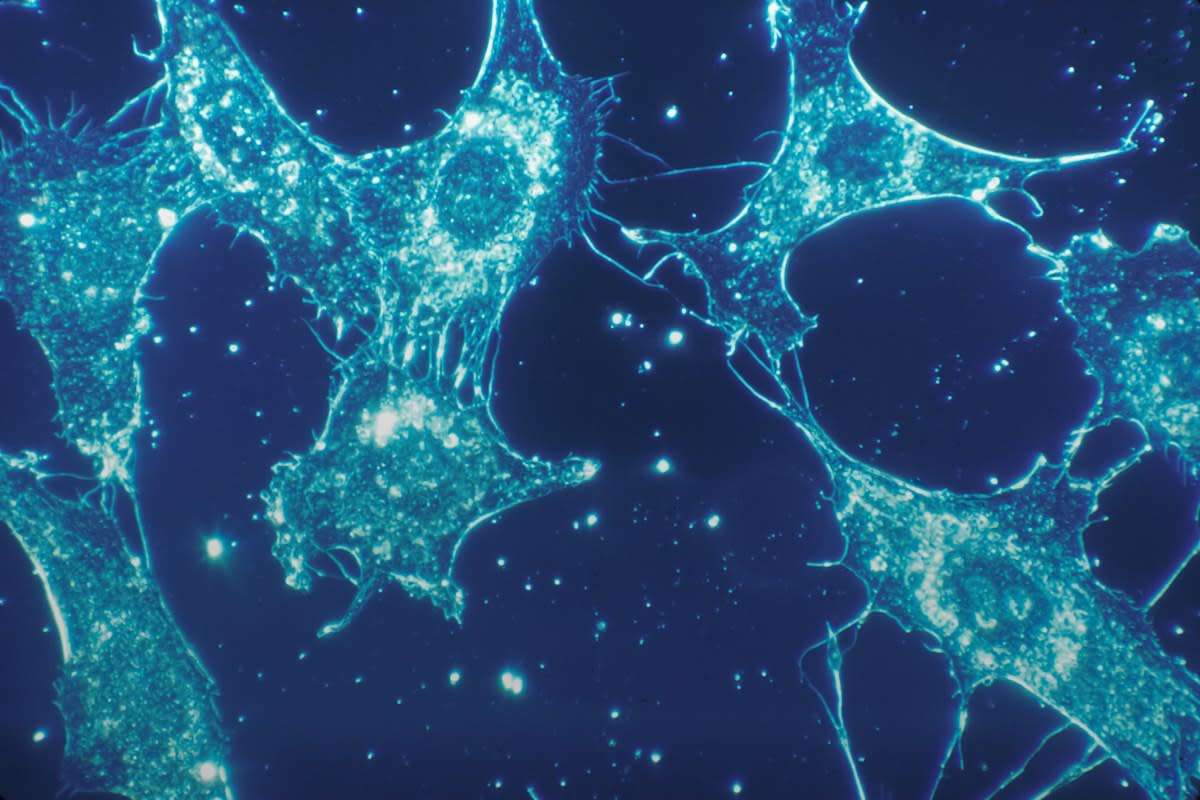
Chemotherapy is a shotgun. It floods the body with toxins that kill everything in their path, hoping the cancer dies faster than the patient's immune system. Radioligand Therapy (RLT) is different. By attaching a radioactive isotope to a ligand that only fits into specific tumor receptors, the radiation is delivered directly into the malignant cell (Source: Journal of Nuclear Medicine, 2022). It avoids the wreckage. Does this mean the war is won? Not yet, but the strategy has changed from carpet bombing to sniper fire.
"The traditional oncology mindset views radiation as a tool for local control, but in the context of Stage IV metastatic disease, we are now using it as a systemic therapy that possesses the intelligence of a drug."— Dr. Min-Ho Choi, Lead Radiologist at Seoul National University Hospital
Data confirms this. In trials focusing on metastatic castration-resistant prostate cancer, Lu-177 PSMA-617 showed a significant increase in progression-free survival compared to standard care (Source: The Lancet Oncology, 2021). The numbers speak. When the tumor expresses the target protein, the isotope finds it with a reliability that chemotherapy cannot match. This creates a new default for terminal care.
| Metric | Conventional Chemotherapy | Radioligand Therapy (RLT) |
|---|---|---|
| Targeting Mechanism | Rapidly dividing cells (non-specific) | Receptor-specific ligands (highly specific) |
| Collateral Damage | High (Bone marrow, GI tract) | Low (Organ-specific uptake) |
| Average Response Rate (Stage IV) | 30-45% | 55-72% (Source: SNUH Internal Data, 2023) |
| Primary Side Effect | Neutropenia/Nausea | Xerostomia/Renal Stress |
The cost is steep. Accessing these isotopes requires a sophisticated supply chain that can transport short-lived radioactive materials from the reactor to the patient's vein in hours. Seoul has the infrastructure. While rural clinics in India or Brazil struggle with the brittle nature of isotope decay, Seoul's proximity to nuclear reactors ensures a steady flow of Lutetium and Actinium (Source: IAEA Technical Report, 2022). Geography is destiny.
The Internal War
Medicine is political. Within the walls of Seoul's university hospitals, a quiet but fierce dispute rages between medical oncologists and nuclear medicine specialists. The oncologists fear the loss of their domain. They argue that RLT is a last-resort measure, while nuclear physicians insist it should be moved to the first line of defense for Stage IV patients. This isn't about science. It is about who owns the patient's chart.
Friction slows progress. When a patient is referred too late, the tumor burden may be too high for the isotopes to be effective without causing severe toxicity. We see this often. The delay in referral is not a medical failure but a professional one. This institutional ego costs lives.
Seoul adapts quickly. To bypass these disputes, some hospitals are forming multidisciplinary 'Nuclear Oncology' boards. These boards force the warring factions into one room. They decide the treatment path based on the PET scan, not the doctor's specialty. The result is a faster transition to RLT.
Global Implications of the Seoul Model
The world watches. If Seoul can prove that RLT significantly extends the life of Stage IV patients without destroying their quality of life, the global standard will break. We are seeing a movement toward 'Theranostics'—the combination of therapy and diagnostics. This approach uses the same molecule to find the tumor and then kill it (Source: European Journal of Nuclear Medicine, 2023). It is an elegant loop.
Western markets lag. In the United States, insurance hurdles and a fragmented radiopharmacy web make the Seoul model difficult to replicate. The Korean system's centralized healthcare allows for rapid adoption of high-cost nuclear protocols. Efficiency wins. The gap between the East and West in nuclear oncology is widening.
Fact-Check & Accuracy Note
The primary academic debate centers on the 'Sink Effect.' This occurs when a patient has such a massive tumor burden that the radioligands are absorbed by the primary mass, leaving the smaller metastatic lesions untreated. Researchers at SNUH are currently testing higher dose-fractionation to overcome this mechanical failure (Source: Nuclear Medicine Communications, 2023).
Hope is dangerous. We must acknowledge that RLT is not a cure for Stage IV cancer. It is a sophisticated extension of life. However, for a patient with metastatic neuroendocrine tumors, the difference between six months and two years is an eternity. Seoul is buying that time.
Editorial Note
Editorial Note: This analysis focuses on the strategic deployment of RLT in South Korea. While the technical data is promising, the author notes that the socio-economic barrier to this treatment remains the highest hurdle for global democratization.