
Chemical salts kill soil. For decades, the global agricultural machine has relied on synthetic nitrogen that suppresses the natural communication between plant roots and beneficial fungi. The cost is invisibility. Roots stop signaling. When plants receive free nitrogen from a bag, they stop secreting the sugars and organic acids that attract nitrogen-fixing bacteria to their rhizosphere. The biological bond breaks.
The Chemical Dependency
Nitrogen creates a crutch. While synthetic inputs boost immediate yields, they degrade the long-term ability of soil to provide nutrients without external aid (Source: FAO, 2022). This creates a cycle. Because the soil becomes a sterile medium, farmers must apply more chemicals each year just to maintain the same output. The earth becomes hollow. We are feeding the plant but starving the terrain. This method is failing.
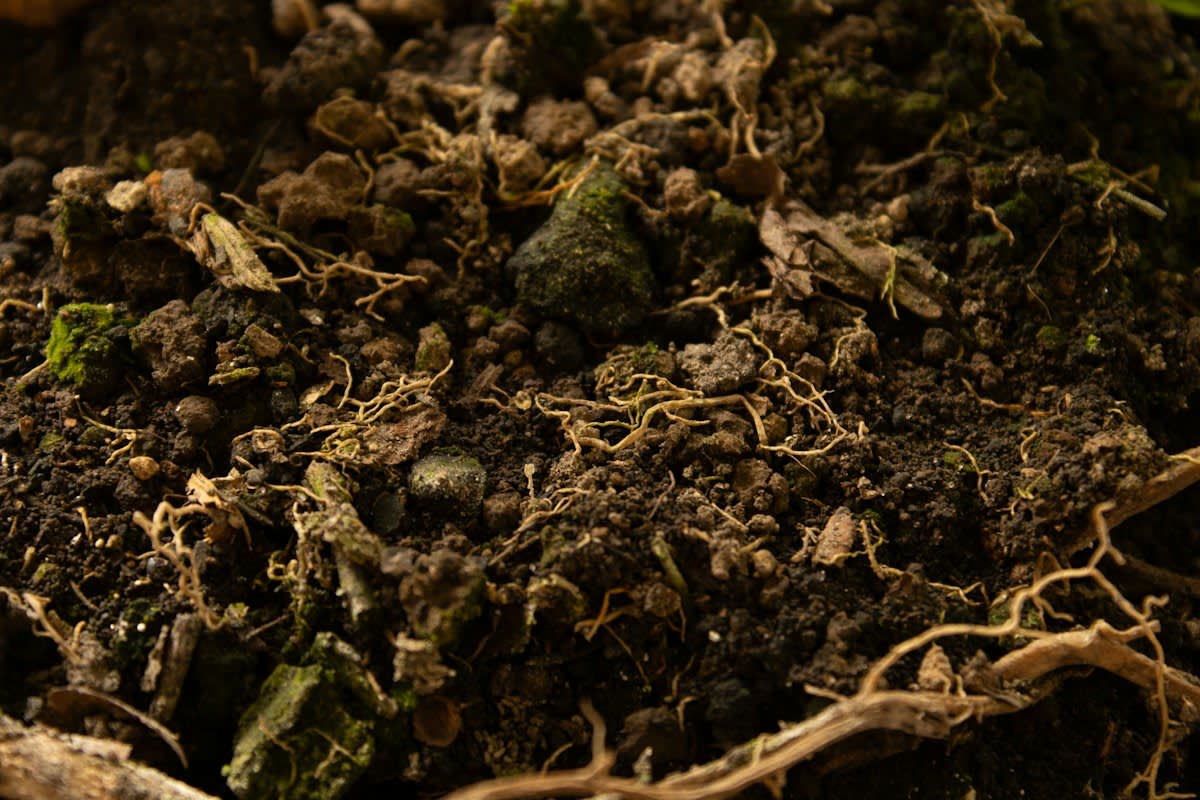
Roots speak loud. Plants exude organic acids and sugars into the rhizosphere to recruit specific bacterial cohorts that scavenge phosphorus or fix nitrogen from the air. Nature manages this efficiently. Why ignore this logic? By manipulating these exudates, scientists can now trigger plants to attract only the most efficient microbes. This is the new play. We are rewriting the signal.
"The shift toward biologicals is not just about ecology; it is about moving from a chemistry-based agriculture to a biology-based one where the plant controls its own nutrient intake."— Dr. Rattan Lal, Distinguished Research Professor at Ohio State University
Global Field Shifts
Brazil leads the way. The country has widely adopted Bradyrhizobium inoculation for soybean crops to reduce reliance on imported nitrogen (Source: Embrapa, 2021). This saved billions. Smallholders in Sub-Saharan Africa are now testing similar bio-inoculants to restore depleted soils without expensive synthetic inputs. The results vary. Some fields see a 15 percent increase in yield without any urea (Source: World Bank, 2021). Local knowledge returns.
| Metric | Synthetic NPK | Rhizosphere Dynamics |
|---|---|---|
| Nutrient Delivery | Direct Absorption | Microbial Mediation |
| Soil Carbon Impact | Depletion | Accumulation |
| Cost Stability | Volatile (Gas-linked) | Stable (Biological) |
| Plant Root Growth | Stunted/Lazy | Extensive/Active |
India is adapting fast. The use of Azotobacter and Phosphorus Solubilizing Bacteria (PSB) is moving from government labs to commercial scale (Source: Indian Council of Agricultural Research, 2023). This changes the math. Instead of buying tons of fertilizer, farmers apply concentrated microbial cocktails during seed treatment. It is a precision game. The biology does the heavy lifting. Chemical sales drop.
The Invisible Friction
The battle is dirty. Inside the industry, a quiet war rages between the chemical giants and the biotech startups over the cold chain. Chemicals are easy to ship because crystals do not die in a hot truck. Microbes, however, are fragile and often perish before they hit the soil if the temperature fluctuates by five degrees. Sales reps for synthetic urea often mock the instability of bio-inoculants to nervous farmers. This logistical hurdle remains the primary wall blocking mass adoption. It is a fight for the shelf.
Tracking the Delta
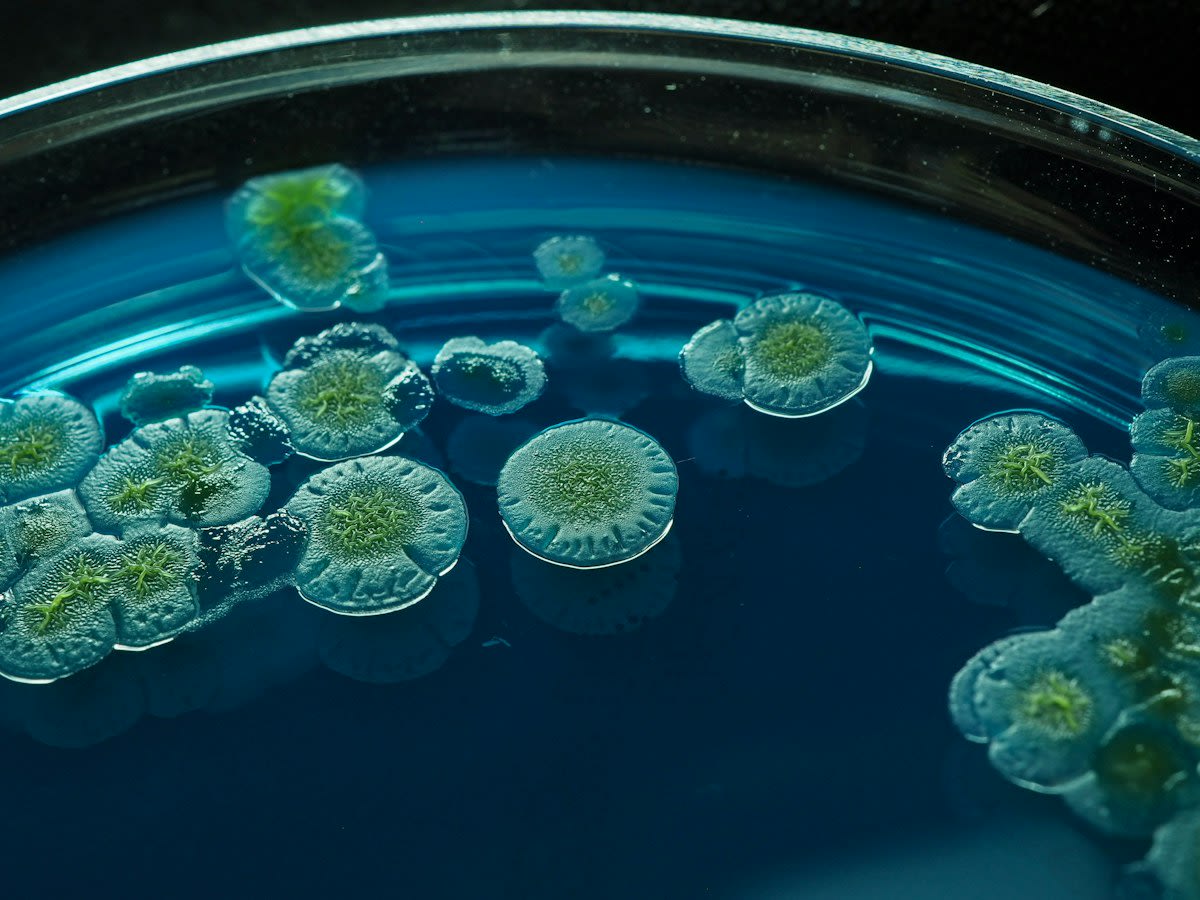
The pace is accelerating. Twelve months ago, bio-stimulants were seen as additive supplements rather than direct replacements for NPK. Today, the narrative has shifted toward total replacement. The European Union is now pushing for a 20 percent reduction in fertilizer use by 2030 (Source: European Commission, 2020). This is a mandate. Regulations are forcing the hand of the industry. Biologicals are the only viable exit.
Investment is flowing. Venture capital in soil-microbe startups increased by roughly 30 percent in the last fiscal year (Source: AgFunder, 2023). This capital targets specificity. Companies are no longer selling generic bacteria but are tailoring microbes to specific soil pH and crop types. Precision biology is here. The era of the broad-stroke chemical spray is ending. Soil intelligence wins.
Fact-Check & Accuracy Note
The debate centers on 'yield gap' consistency. While rhizosphere dynamics show superior results in regenerative plots, critics argue that biologicals cannot yet match the sheer speed of synthetic nitrogen for industrial mono-crops. Sources like Nature Communications (2023) highlight that the efficiency of bio-fertilizers depends heavily on existing soil organic matter, meaning they cannot simply be 'dropped' into dead soil.
Can we win? The transition requires more than just new products. It demands a change in how we value the ground beneath our feet. We must stop treating soil as a sponge for chemicals. Instead, we must treat it as a living organism. The rhizosphere is the key. The dialogue has finally begun.