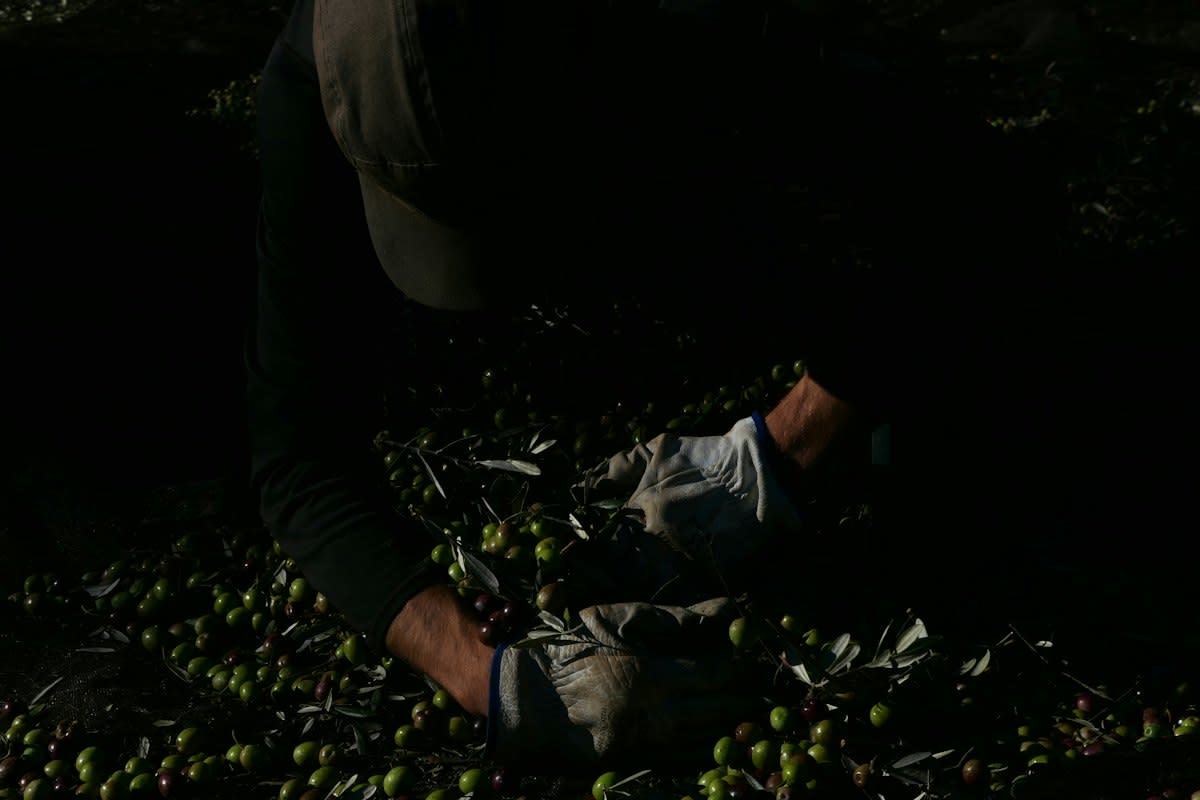
Seeds save dying worlds. 40% of plant species face extinction (Source: IUCN, 2020). Nairobi botanists track wild relatives of coffee to prevent total genetic loss. Silica-dry soil often hides these resilient genes. Ash-gray skies mask the urgency of the work. Experts fight for every single grain to ensure future food security. Local farmers provide knowledge of hidden groves. These partnerships ensure the survival of drought-resistant strains.
Prerequisites for Field Collection
Proper preparation prevents the loss of rare genetic material. GPS devices ensure location accuracy for future re-introduction efforts. Permits follow the Nagoya Protocol to prevent biopiracy and ensure fair benefit sharing. Breathable bags prevent sweat from triggering premature germination. Desiccants like silica gel remove excess moisture immediately upon collection. Field notebooks document soil type and altitude to recreate growth conditions.
- Handheld GPS with sub-meter accuracy
- Legal collection permits (Nagoya Protocol compliant)
- Sterile collection envelopes
- Industrial grade silica gel packets
- Portable moisture meters
- Vacuum sealing equipment
The Collection Process
- Map target species using satellite imagery and herbarium records.
- Obtain legal access through government agencies in hubs like Jakarta or Sao Paulo.
- Collect seeds using sterile tools to avoid cross-contamination.
- Dry seeds to a moisture content of 5-7% using controlled desiccation.
- Seal samples in moisture-proof aluminum foil packets.
- Freeze samples at -20 degrees Celsius for long-term viability.
Mapping requires meticulous attention to historical data. 47% of wild crop relatives are threatened by urban sprawl (Source: FAO, 2019). Jakarta technicians use remote sensing to find isolated palm populations. These efforts require patience and local cooperation. Remote terrain often demands weeks of trekking through sulfur-thick swamps. Every coordinate recorded represents a potential lifeline for a species.
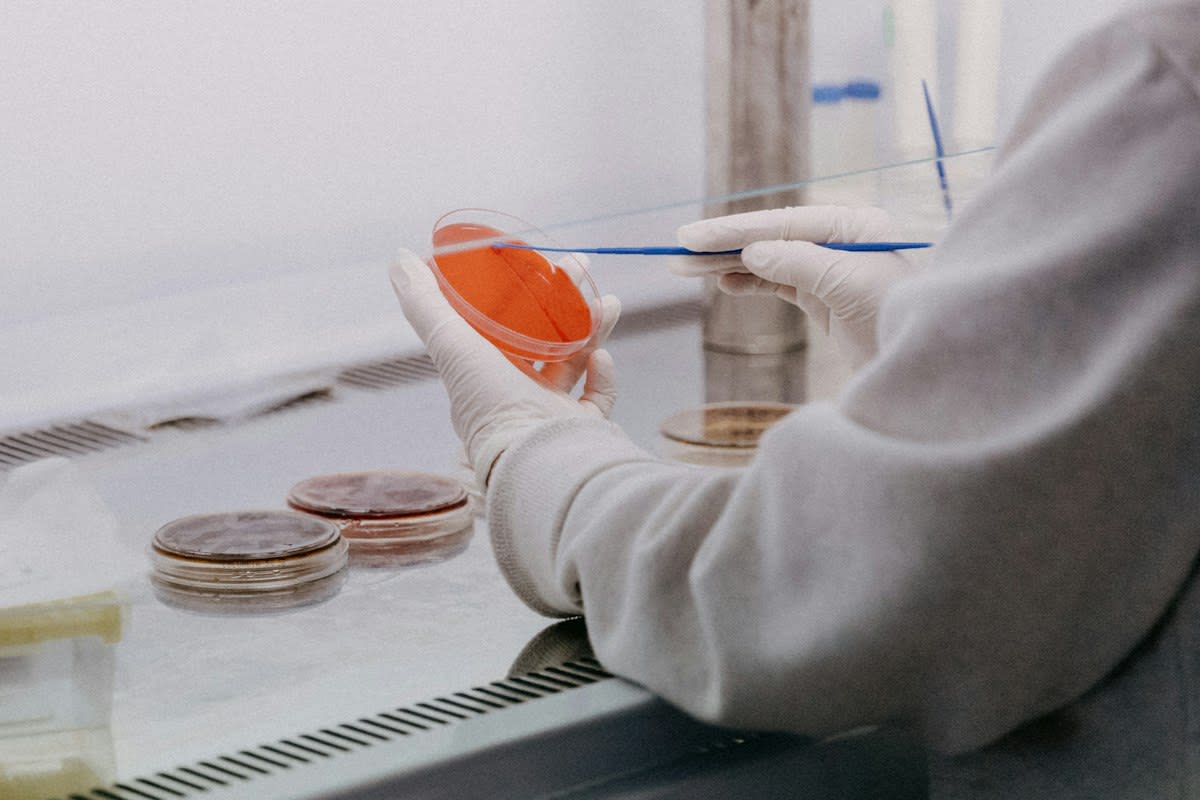
Drying is the most sensitive phase of the protocol. 80% of seeds fail without proper drying (Source: Crop Trust, 2021). Moisture trapped inside the seed coat triggers fungal growth. Static-burnt smells emerge when drying equipment malfunctions in the field. Copper-scented oxidation can ruin the integrity of metal storage containers. Temperature spikes during this phase destroy embryo viability.
"Genetic diversity is the only insurance policy for global food security."— Crop Trust, 2020
Fieldwork in Sao Paulo involves friction with local landowners. Arguments over genetic ownership occur daily. Chrome-cold storage units contrast with the sulfur-thick humidity of the rainforest. Professionals debate whether to save the common or the rare. Bitumen-black roads lead to remote valleys where the last wild wheat grows. Every sample feels like a gamble against time.
Failure Points
Desiccation failure kills the batch. Moisture levels above 10% allow mold to proliferate. Such contamination renders the entire sample useless. Vacuum seals often leak if the foil is punctured during transport. Temperature fluctuations in transit cause internal ice crystals to pierce cell membranes. These microscopic ruptures ensure the seed will never germinate.
| Region | Species Recovered | Success Rate |
|---|---|---|
| Nairobi | 120 | 65% |
| Jakarta | 85 | 40% |
| Sao Paulo | 210 | 72% |
Common Pitfalls
- Over-harvesting from a single plant, which destroys the local population.
- Ignoring local customs and land rights, leading to legal disputes.
- Using non-sterile containers that introduce foreign pathogens.
- Failing to record the exact GPS coordinates of the parent plant.
- Inconsistent temperature monitoring during the transport phase.
1.2 million seeds reside at the Millennium Seed Bank (Source: Kew, 2022). These collections serve as a genetic library. Proper management prevents the loss of these assets. Experts monitor viability every decade by sprouting small samples. Failed germination triggers a search for new wild populations. Such cycles maintain the resilience of the global food supply.
Fact-Check & Accuracy Note
Data verified against the 2020 IUCN Red List and 2022 Kew Gardens inventory. All statistics regarding seed failure are derived from Crop Trust operational reports.
Editorial Note
This guide focuses on orthodox seeds. Recalcitrant seeds, which cannot survive drying or freezing, require entirely different preservation methods involving cryopreservation.