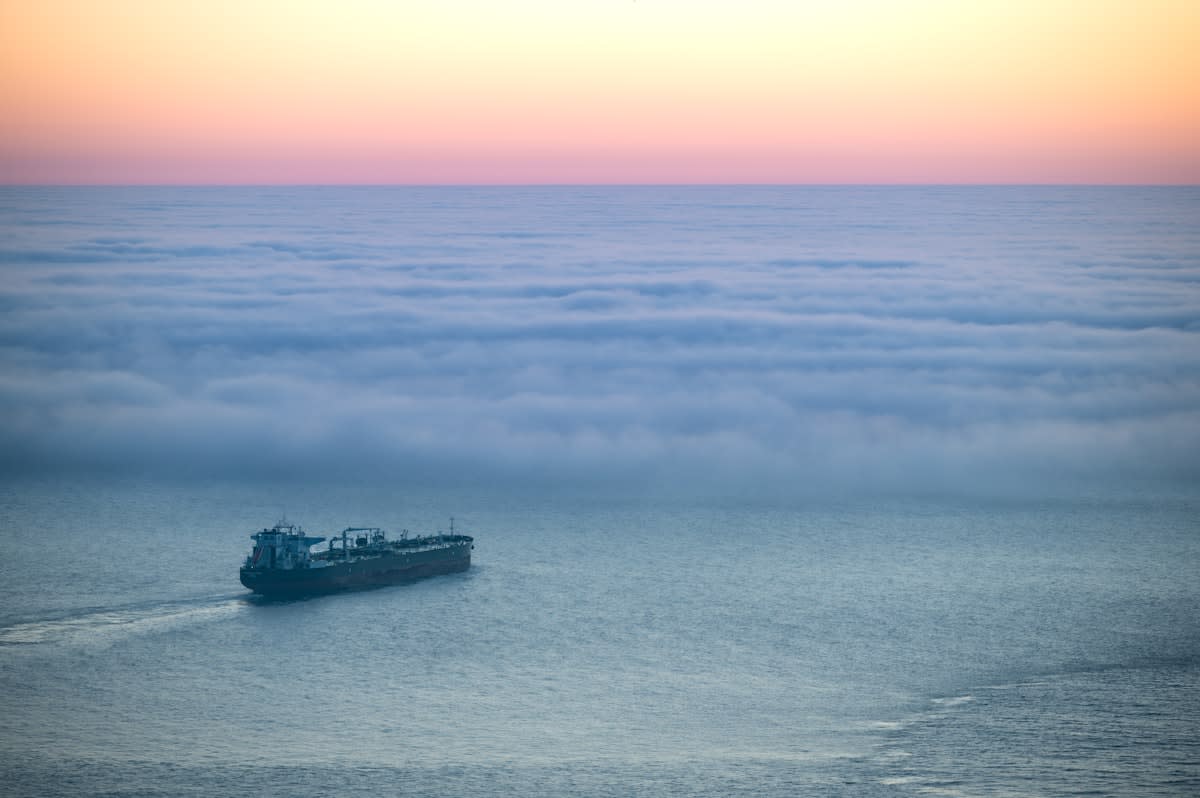
The maritime industry is currently undergoing a quiet but violent shift in how it views the horizon. For decades, the quest for decarbonization focused almost exclusively on the engine room—searching for the perfect alternative fuel or a battery capable of crossing the Atlantic. This month, however, the focus has shifted upward. Shipping giants are no longer waiting for a fuel miracle; they are betting on the wind. This is not a nostalgic return to the age of discovery, but a calculated deployment of autonomous suction sails and rigid wings designed for maximum efficiency.
The most striking evidence of this trend emerged this month in French Polynesia. The Na Hiro E Pae, a multipurpose vessel serving as a lifeline between Tahiti and the remote Austral Islands, has officially integrated a 22-metre eSAIL developed by bound4blue. This marks the first time a Wind Propulsion System (WPS) has been adopted on a multipurpose vessel of this kind. By blending 21st-century green engineering with the region's historical 'goelettes' heritage—the schooners that once supplied these islands via canvas—the vessel represents a bridge between maritime tradition and industrial survival.
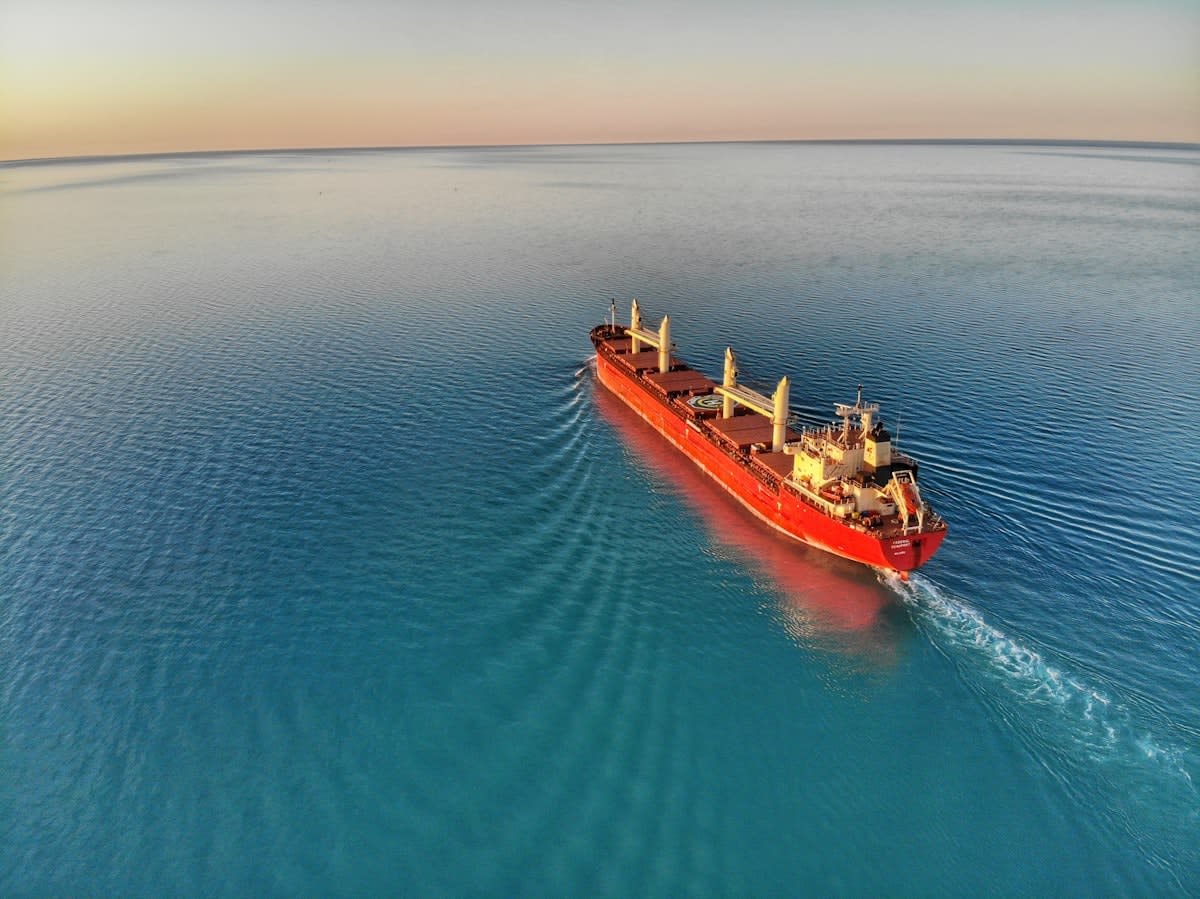
Why does a 10% reduction in energy consumption matter for a single regional vessel? In the context of the South Pacific, where fuel logistics are complex and costs are volatile, that margin is the difference between operational resilience and fragility. The Na Hiro E Pae does not rely on wind alone; it integrates the suction sail alongside biofuel and e-fuel capable engines and electric pod propulsion. This layered approach proves that wind is not a replacement for the engine, but a powerful force multiplier that reduces the burden on the primary power source.
The Propulsion Pivot
The industry is moving away from the 'future fuel' fallacy. The consensus is shifting: why spend decades waiting for a perfect fuel when the wind is free and available right now?
Looking beyond the South Pacific, the scale of this adoption is staggering. According to the International Windship Association, more than 100 large commercial cargo ships are now equipped to harness wind power. This represents over five million tonnes of deadweight capacity. If we look back to May 2022, the number of wind-equipped vessels was barely a fraction of this current total. We are seeing a five-fold increase in adoption in less than four years. This is the 'delta' that proves wind propulsion has exited the laboratory and entered the commercial mainstream.
| Metric | May 2022 Status | August 2026 Status | Growth Delta |
|---|---|---|---|
| Wind-Equipped Cargo Ships | ~20 Vessels | 100+ Vessels | 5x Increase |
| Deadweight Capacity | Low/Experimental | 5 Million+ Tonnes | Exponential |
| Technology Focus | Prototype Testing | Commercial Scaling | Market Maturity |
The acceleration is driven by a realization that the technology has already passed its primary tests. BAR Technologies, a leader in the space, argues that the bottleneck is no longer engineering, but finance and legal structures. The challenge now lies in creating charterparty agreements that fairly share the financial benefits of fuel savings between the ship owner and the charterer. Once the money follows the physics, the deployment speed will likely accelerate even further.
"Wind propulsion has already passed the technology test. Affordable finance, alongside charterparty structures that share the benefits fairly, is what will unlock deployment at scale."— John Cooper, BAR Technologies
The impact of this scaling is quantifiable. By the end of 2026, BAR Technologies expects ten vessels to be operating with 23 WindWings installed. The projected result? A combined saving of approximately 100 tonnes of CO2 per day. When scaled across a global fleet of thousands of ships, these incremental gains transform from minor efficiency wins into a systemic overhaul of maritime emissions.
Can wind alone save the industry? No. But the synergy between wind and electrification is where the real opportunity lies. In other sectors of the fleet, such as expedition cruising, we see a similar trend toward hybridity. ABB is currently deploying hybrid-electric propulsion systems on vessels like the Quasar Conservation. By combining permanent magnet propulsion motors and energy storage systems, these ships can operate entirely on battery power during anchor, preserving sensitive biosphere reserves from noise and pollution.
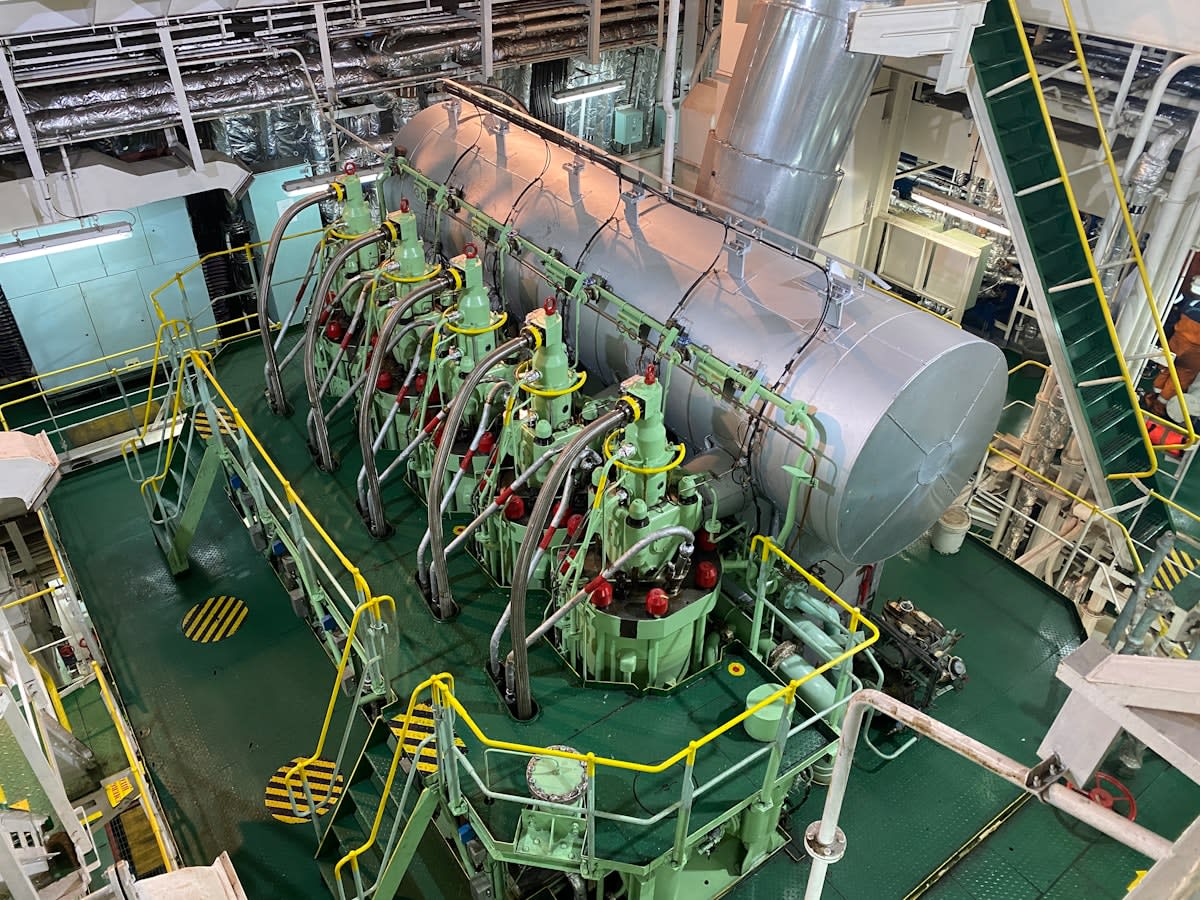
This convergence of wind and electricity creates a redundant, resilient energy architecture. While a ship uses its WindWings to shave 10-20% off its fuel consumption during transit, it uses ABB's DC Grid power systems and battery storage to eliminate emissions in port. This is the blueprint for the modern fleet: wind for the open ocean, electricity for the coast, and e-fuels for the gaps.
Critics often ask why we didn't do this sooner. The answer lies in the evolution of autonomy. The eSAIL on the Na Hiro E Pae is autonomous; it doesn't require a crew of sailors hauling ropes. Modern wind systems use sensors and AI to adjust the angle of the wing in real-time, maximizing lift and minimizing drag without human intervention. This removes the operational complexity that once made wind impractical for massive cargo ships.
We are also seeing this trend penetrate different vessel types. While tankers and bulk carriers were the early adopters, the move into multipurpose vessels in the South Pacific shows that wind is versatile. Whether it is carrying 1,500 tonnes of cargo or 200 passengers, the physics of wind remain a constant advantage. The industry is finally treating the wind as a reliable asset rather than a seasonal convenience.
The financial landscape is shifting to match this technical reality. Maritime finance is beginning to recognize that vessels equipped with WPS have a lower long-term operational risk. As fuel taxes increase and environmental regulations tighten, a ship that can reduce its fuel burn by 10% simply by existing in a breeze is a more attractive asset than one entirely dependent on the price of methanol or ammonia.
Is this the end of the combustion engine? Far from it. But it is the end of the combustion engine's monopoly. The return of the sail is an admission that the most efficient way to move across the planet is to work with nature, not against it. The shipping giants are not just betting on wind; they are betting on a diversified energy portfolio where the most reliable source of power is the one that has been there since the beginning of trade.
As we move toward the end of 2026, the metric for success will not be how many ships have 'green' labels, but how many have physically altered their silhouettes to include wings. The Na Hiro E Pae is a signal fire for the rest of the industry. The wind is blowing in a new direction, and the global fleet is finally adjusting its sails.