
Blood markers leak the truth. A gated agentic AI-QSP workflow now couples a stochastic senescent-cell production-removal core to eight latent axes read through 13 blood markers, calibrated on NHANES III and validated against NHANES IV (Source: bioRxiv, 2026). This silicon-etched system achieves a mortality discrimination of Harrell's C 0.842, matching the precision of PhenoAge (Source: bioRxiv, 2026). The inflammation axis stands as the most volatile component, acting as the primary contributor to variance in the biological-age gap. These measurements move beyond the skin, digging into the oxidized residue of systemic physiological load.
The Kyoto Erasure Protocol
Kyoto labs are scrubbing the clock. In the Kyoto trial for Parkinson's disease, induced pluripotent stem cell (iPSC) technology leverages somatic cell reprogramming to wipe away the cell's epigenetic memory (Source: MDPI, 2026). This process does not merely repair; it erases the adult aging phenotype entirely, meaning telomere lengths and epigenetic profiles no longer match their in vivo adult counterparts (Source: MDPI, 2026). While this offers a clean slate for therapy, it creates a clinical blind spot where the true pathology of a patient is lost in the reset. The resulting cells are LED-bleached versions of their former selves, stripped of lifetime environmental toxin exposures.
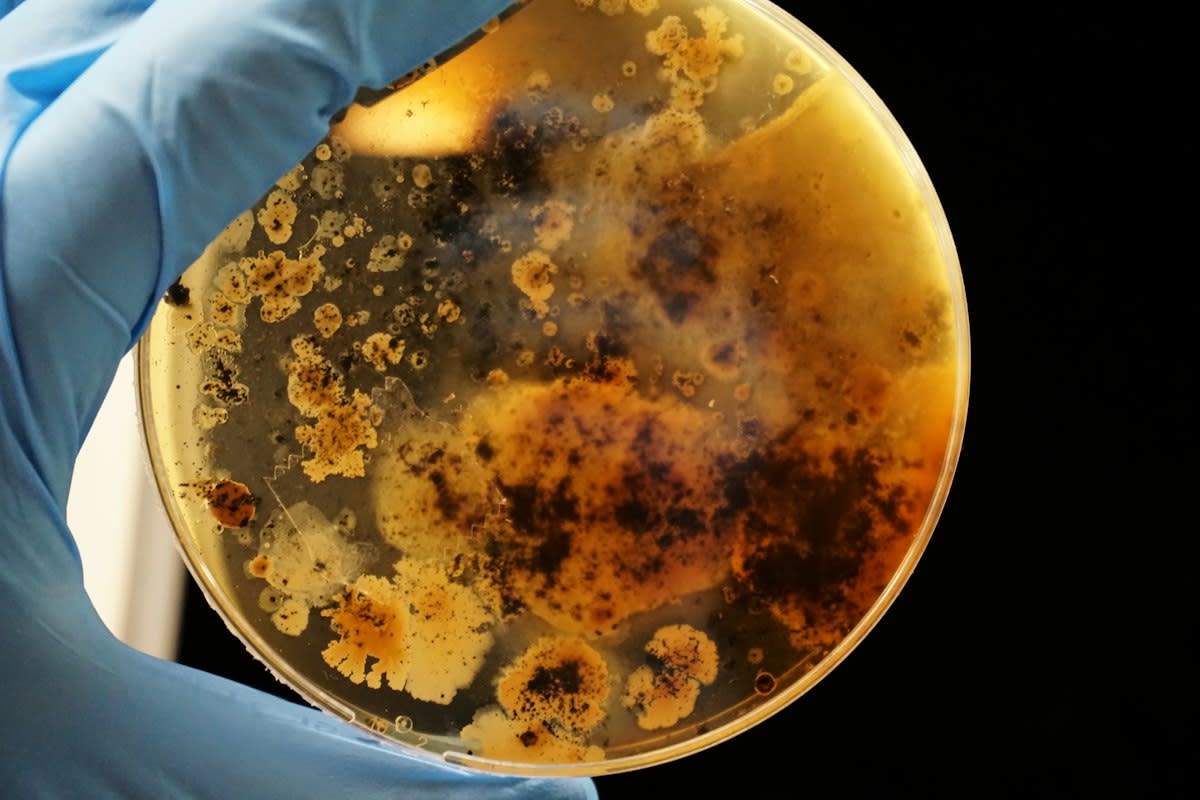
The delta in capability is stark. Twelve months ago, the industry relied on static methylation clocks like Horvath for basic calendar age estimation, but 2026 data emphasizes the inflammation axis as the actual driver of biological-age variance (Source: bioRxiv, 2026). We have moved from asking when a person was born to asking how fast they are dying. This shift is powered by agentic AI that proposes combination therapies and constructs mechanistic models at speeds that far outpace human verification (Source: bioRxiv, 2026). The copper-wire speed of these LLM agents requires new, strict hurdles for evidence and structural integrity to prevent the promotion of false hypotheses.
The Hierarchy of Biological Clocks
Not all clocks tick the same. The Horvath clock remains the most precise for predicting calendar age, but its health meaning is thin, essentially acting as a laboratory tool to estimate a birthday (Source: Acibadem, 2026). In contrast, second-generation clocks like PhenoAge and GrimAge provide deep mortality information, with GrimAge specifically utilizing smoking and protein surrogates to predict time to death (Source: Acibadem, 2026). PhenoAge relies on a composite of nine blood biomarkers plus chronological age to gauge the risk of age-related disease (Source: Acibadem, 2026). These tools transform a simple blood draw into a predictive map of systemic decay.
| Clock Type | Primary Input | Primary Utility | Precision Level |
|---|---|---|---|
| Horvath | DNA Methylation | Calendar Age Estimation | High (Age) |
| PhenoAge | 9 Blood Biomarkers + Age | Disease/Death Risk | Moderate (Individual) |
| GrimAge | Smoking/Protein Surrogates | Mortality Prediction | Strong (Mortality) |
| DunedinPACE | Methylation Pace | Rate of Aging | High (Responsiveness) |
Pace exceeds state. The DunedinPACE measure represents the current frontier because it tracks the speed of aging rather than a static age value (Source: Acibadem, 2026). Values above 1.0 indicate a faster-than-average aging process, while values below 1.0 suggest a deceleration of biological decay (Source: Acibadem, 2026). This metric is the most responsive to interventions, allowing researchers to see if a drug actually slows the clock in real-time. It is the difference between knowing the odometer reading and knowing the current speed of the vehicle.
"The technologies we need would allow fast, precise, accurate, highly-parallel, inexpensive, longitudinal measurements using a small amount of starting material. With the existing tech, I think most biologists can get at most two of these at the expense of the remaining five."— Nick Stroustrup, Group Leader at CRGenomica
The ground-level reality is greasy and friction-filled. In the silicon-etched corridors of systems biology, the debate centers on the impossibility of achieving speed, precision, and low cost simultaneously (Source: X/Nick Stroustrup, 2020). Practitioners struggle with the trade-offs of longitudinal measurements, where gaining precision often means sacrificing the sample size or the frequency of data collection. This is the invisible wall that agentic AI is attempting to breach by simulating the gaps in raw data. The friction exists in the space between a clean AI prediction and the messy, oxidized reality of a human blood sample.
Validation and the Semaglutide Test
Semaglutide provides a real-world stress test for these clocks. A 32-week trial involving 84 participants with HIV-associated lipohypertrophy was used to validate the AgeQSP v0.4 prediction (Source: bioRxiv, 2026). The results showed that the AI prediction agreed in direction with the observed annualized clock change across all 9 endpoints (Source: bioRxiv, 2026). This suggests that agentic AI can accurately forecast how specific pharmacological interventions will alter the biological age trajectory. However, the system is not infallible; exploratory clock mappings for PhenoAge failed, predicting -0.22 against an actual -4.9, leading the system to trigger a HOLD status (Source: bioRxiv, 2026).
The failure points are where the real science happens. When the validation tier of the AI-QSP workflow refuses to promote a hypothesis, it exposes the gap between stochastic modeling and biological reality (Source: bioRxiv, 2026). In Kyoto, the failure point is the erasure of the aging phenotype, which prevents iPSC-derived organoids from fully recapitulating the true pathology of Parkinson's disease seen in patients (Source: MDPI, 2026). This means that while we can reset the clock, we may be deleting the very data needed to cure the disease. The biological reset is a double-edged sword of renewal and amnesia.
Editorial Note: The Guardrails
The AI-QSP workflow operates on a gated system. No hypothesis reaches a report until it clears strict hurdles for precedent, evidence, structural integrity, and release, preventing the LLM from hallucinating biological shortcuts (Source: bioRxiv, 2026).
Fact-Check & Accuracy Note
Fact-Check: While iPSC technology can erase the aging phenotype (Source: MDPI, 2026), no biological age clock is currently cleared as a diagnostic tool; standard clinical measures like blood pressure and glucose remain the gold standard for personal health (Source: Acibadem, 2026).